Unlock Your Energy: Simple Diet Tips for Better Health
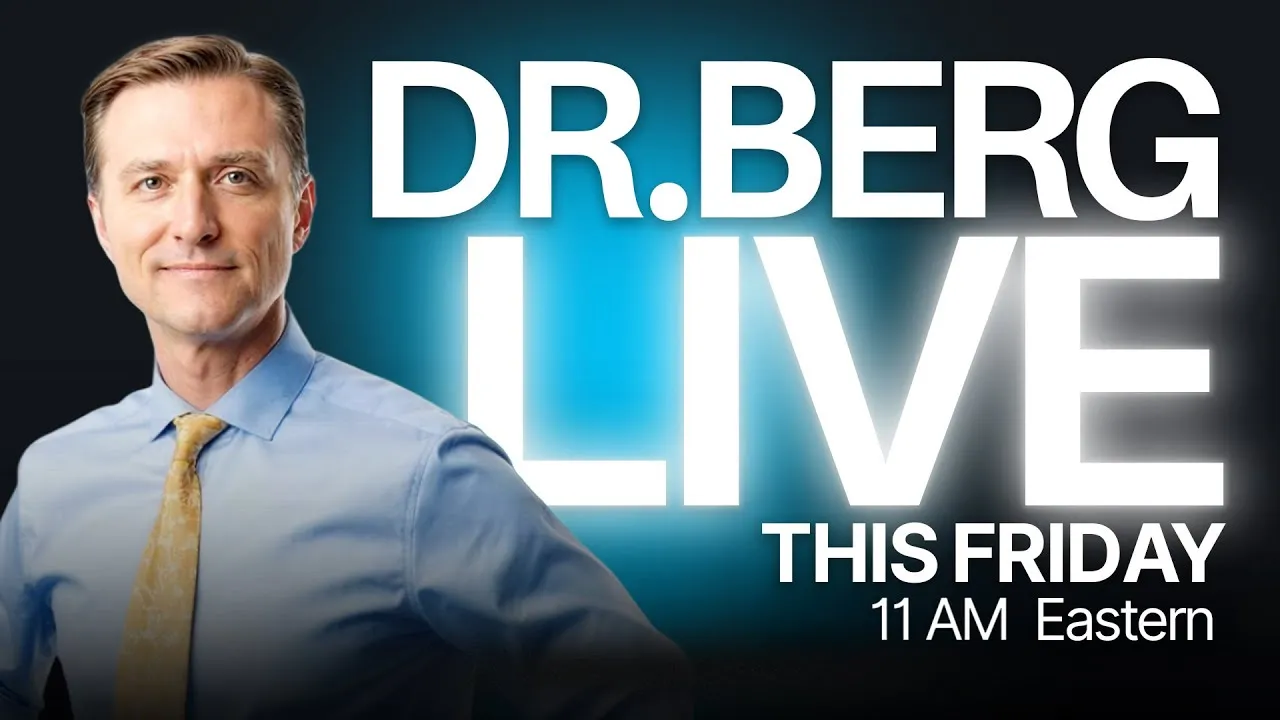
Feeling tired or sluggish? Small changes to your diet might be the key to boosting your energy and improving your overall health. Dr. Eric Berg, a chiropractor specializing in healthy ketogenic diets and intermittent fasting, shares insights on how food choices can significantly impact your well-being. He emphasizes that understanding how your body uses energy is crucial for making effective dietary choices.
Understanding Your Body’s Fuel
Your body primarily uses two types of fuel: glucose (sugar) and ketones. Glucose comes from carbohydrates like bread, pasta, and sugar. When you eat carbs, your body breaks them down into glucose, which is then used for energy. However, if you consume too many carbs, your body stores the excess as fat.
Ketones are produced when your body burns fat for energy. This happens when you limit carbohydrate intake, a state known as ketosis. Dr. Berg, author of “The Healthy Keto Plan,” suggests that using fat for fuel can lead to more stable energy levels throughout the day. Unlike the quick but short-lived energy boost from sugar, fat provides a more sustained source of power.
The Role of Carbohydrates
Carbohydrates are not the enemy, but the type and amount matter greatly. Refined carbohydrates, like white bread, pastries, and sugary drinks, cause rapid spikes in blood sugar. This leads to a subsequent crash, leaving you feeling tired and craving more sugar. Dr. Berg’s approach often involves reducing the intake of these refined carbs.
Instead, he recommends focusing on complex carbohydrates found in vegetables and some fruits. These provide fiber and nutrients, and their impact on blood sugar is more gradual. By choosing the right carbs and managing portion sizes, you can avoid energy dips.
Intermittent Fasting: A Powerful Tool
Intermittent fasting (IF) is a pattern of eating that cycles between periods of eating and voluntary fasting. It’s not about *what* you eat, but *when* you eat. Dr. Berg, who has extensive experience educating people about IF, highlights its benefits for energy and metabolism.
When you fast, your body uses up its stored glucose. After a period of fasting, your body starts burning fat for energy, producing ketones. This switch to fat burning can enhance energy levels and may help with weight management. Popular IF methods include the 16/8 method (fasting for 16 hours and eating within an 8-hour window) or the 5:2 diet (eating normally five days a week and restricting calories on two non-consecutive days).
Combining Keto and Intermittent Fasting
Dr. Berg often advocates for a combination of the ketogenic diet and intermittent fasting. The keto diet, which is very low in carbohydrates and high in healthy fats, helps your body enter ketosis more easily. Intermittent fasting then helps to deepen this state and further encourages fat burning.
This powerful combination can lead to increased mental clarity, sustained energy, and reduced cravings. It helps your body become more efficient at using fat as its primary fuel source. This can be particularly beneficial for individuals looking to manage their weight or improve metabolic health.
Who Can Benefit?
These dietary strategies can be beneficial for a wide range of individuals. People struggling with energy slumps, those looking to manage their weight, or individuals seeking to improve their metabolic health may find these approaches helpful. It’s particularly relevant for adults who want to optimize their body’s fuel efficiency.
However, it’s important to note that these are not suitable for everyone. Pregnant or breastfeeding women, individuals with a history of eating disorders, and those with certain medical conditions should consult a healthcare professional before making significant dietary changes.
Key Health Takeaways
- Prioritize Fat Burning: Aim to use fat as your body’s primary fuel source by reducing refined carbohydrates and increasing healthy fats.
- Choose Carbs Wisely: Opt for complex carbohydrates from vegetables and fruits over refined sugars and grains to maintain stable energy.
- Explore Intermittent Fasting: Consider incorporating intermittent fasting to help your body switch to burning fat for energy and improve metabolic flexibility.
- Combine Strategies: A ketogenic diet paired with intermittent fasting can enhance energy levels and promote fat loss.
- Consult a Professional: Always talk to your doctor or a registered dietitian before starting any new diet, especially if you have underlying health conditions.
A Word of Caution
Dr. Eric Berg, D.C., is a chiropractor and educator focusing on ketogenic diets and intermittent fasting. His insights are based on his specialization in these areas. The information provided in this article is for general informational purposes only. It is not intended as medical advice and should not be used to diagnose, treat, cure, or prevent any disease.
Always consult with your physician or another qualified health provider before making any changes to your diet or health regimen. They can help you determine if these approaches are appropriate for your individual health needs and circumstances.
Source: The Dr. Berg Show LIVE – April 10, 2026 (YouTube)