Unlock Fat Loss: 9 Reasons Your Calorie Deficit Isn’t Working
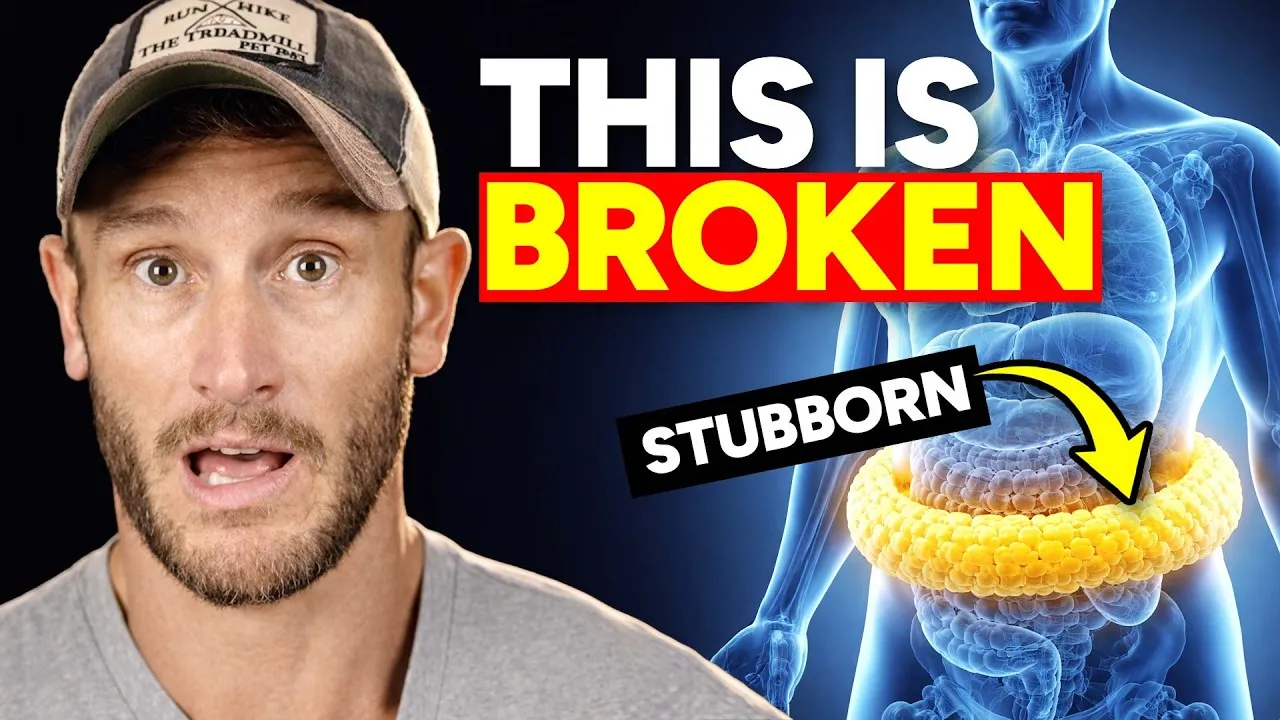
You’re meticulously tracking your calories, aiming for a deficit, yet the stubborn belly fat persists. This is a common frustration, as the simple equation of calories in versus calories out can feel more complex in practice. While a calorie deficit is fundamental for weight loss, several factors can undermine your efforts, leading to stalled progress and disappointment. Understanding these potential pitfalls can help you adjust your strategy and finally achieve your fat loss goals.
1. You’re Not Actually in a Calorie Deficit
The most frequent reason for a stalled calorie deficit is simply not being in one. This isn’t about rigid macro tracking for everyone, but rather acknowledging that hidden calories can derail your intentions. Common culprits include generous salad dressings, frequent snacking (like a handful of almonds), and even the inherent inaccuracy of food labels. The FDA allows a 20% margin of error on calorie counts, which can significantly impact your actual intake, especially if you’re aiming for a precise deficit.
2. Replacing Muscle Mass with Fat Loss
A calorie deficit primarily leads to weight loss, but it doesn’t guarantee that the weight lost is fat. Without adequate stimulus, you might lose muscle mass and bone density alongside fat. This is particularly true if you’re sedentary while in a deficit. Muscle is metabolically active and contributes to your appearance; losing it can make you look softer even if the scale moves. To preserve muscle, combine a mild calorie deficit with increased physical activity, especially resistance training. Protein intake also plays a crucial role in signaling muscle protein synthesis, helping to mitigate muscle loss during weight loss.
3. Nutrient Deficiencies Leading to Cravings
While some specific nutrient deficiencies might impact metabolism directly, for most people, micronutrient deficiencies trigger cravings. Your body is remarkably adept at signaling needs; when it lacks essential nutrients, it often prompts you to eat more in an attempt to acquire them. Focusing on nutrient-dense whole foods rather than ultra-processed options is key. Although processed foods might seem to facilitate short-term calorie control, they often lack vital micronutrients, leading to ongoing cravings and hindering long-term fat loss success.
4. Insufficient Gaps Between Meals
The gut needs periods of rest to recover. Research, such as a BMC study comparing eating patterns in Europe and the US, highlights how consistent eating throughout the day, without defined breaks, can hinder metabolic processes. During the gaps between meals, hormones like glucagon and enzymes like hormone-sensitive lipase increase, facilitating fat breakdown. Establishing clear eating windows and allowing for sufficient time between meals, even if it’s just a few hours, can support your body’s natural fat-burning mechanisms.
5. The Damaging Impact of ‘Cheat Meals’
While intended to provide psychological relief, frequent or excessive ‘cheat meals’ can significantly sabotage fat loss efforts. As you lose weight, your basal metabolic rate (BMR) naturally slows down. This means that the same high-calorie meal that represented a modest surplus previously can now represent a much larger one, undoing days of calorie restriction. Furthermore, large influxes of processed foods can trigger inflammatory responses and negatively impact hormones like leptin, which regulates appetite. Instead of strict cheat meals, focus on incorporating enjoyable, nutrient-dense foods into your regular diet.
6. Overexertion and Stress on the Body
A significant calorie deficit can put your body into a sympathetic state, often described as ‘fight or flight.’ When combined with intense exercise and other life stressors, this can lead to adrenal overdrive, poor sleep, and negative impacts on metabolism. Chronic sleep deprivation, in particular, is linked to increased muscle breakdown, reduced protein synthesis, and a greater tendency to store fat. Prioritizing sleep and managing overall stress levels is crucial for effective fat loss.
7. Overestimating Calories Burned During Exercise
Many people overestimate the calories burned during resistance training and even some forms of cardio. Fitness trackers can provide estimates, but they are not always accurate, especially for non-steady-state activities like weightlifting. Resistance training is vital for building muscle and boosting metabolism long-term, but its immediate calorie expenditure is often less than perceived. Be cautious about ‘rewarding’ yourself with excessive food after workouts based solely on tracker data. It’s often wise to round down calorie expenditure estimates.
8. Metabolic Dysfunction and Insulin Resistance
For individuals with metabolic dysfunction or insulin resistance, insulin levels can significantly impede fat loss. Insulin’s role is to help cells absorb glucose, but chronically elevated insulin levels, common in insulin resistance, inhibit lipolysis (fat breakdown). This means your body becomes less efficient at accessing stored fat for energy, even in a calorie deficit. Strategies to manage insulin spikes, such as reducing carbohydrate intake, focusing on whole foods, and ensuring adequate time between meals, can be highly effective in improving fat utilization and supporting metabolic health.
9. Insufficient Vitamin D and Sunlight Exposure
Emerging research suggests a link between low vitamin D levels, sunlight exposure, and weight management. Vitamin D is sequestered in fat cells, meaning individuals with more body fat may have lower circulating levels. While the exact mechanism is still being explored, vitamin D and sunlight exposure appear to influence appetite regulation and mood. Improved mood can reduce emotional eating, and better appetite control supports adherence to a calorie deficit. Making an effort to get adequate, safe sun exposure or considering a vitamin D supplement can be beneficial for overall well-being and may indirectly support fat loss efforts.
Key Health Takeaways
- Accurate Deficit: Ensure you are truly in a calorie deficit by being mindful of hidden calories in food, drinks, and inaccurate labels.
- Prioritize Muscle: Combine calorie deficits with resistance training and adequate protein intake to preserve muscle mass, which is crucial for metabolism and body composition.
- Nutrient Density is Key: Focus on whole, nutrient-rich foods to prevent cravings triggered by micronutrient deficiencies.
- Strategic Eating Windows: Allow for defined breaks between meals to support hormonal balance and fat metabolism.
- Rethink ‘Cheat Meals’: Opt for moderation and enjoyment within your overall plan rather than large, disruptive cheat meals.
- Manage Stress & Sleep: Prioritize quality sleep and stress reduction, as they significantly impact hormonal balance and metabolic function.
- Exercise Realism: Be realistic about calorie expenditure from exercise, especially resistance training, and don’t overestimate your burn.
- Address Metabolic Health: If you have insulin resistance or metabolic dysfunction, focus on strategies that manage insulin spikes.
- Sunlight & Vitamin D: Consider safe sun exposure or vitamin D supplementation, as it may influence appetite and mood, indirectly aiding fat loss.
Disclaimer: This article is for informational purposes only and does not constitute medical advice. Always consult with a qualified healthcare provider or registered dietitian before making any significant changes to your diet, exercise routine, or health practices, especially if you have underlying health conditions.
Source: 1500 Calories and STILL Not Losing Belly Fat, Here’s Why (YouTube)