Unlock Flatter Abs: A Layered Approach to Belly Fat Loss
Losing stubborn belly fat can feel like an uphill battle, but a new understanding of how the body stores and sheds fat suggests a more strategic, layered approach may be the key to success. This method, explored through extensive data analysis and individual case studies, reveals that belly fat reduction is not a one-size-fits-all process and requires different strategies for different stages of fat loss.
Understanding the Layers of Belly Fat
Research involving the analysis of DEXA scans from nearly 18,000 individuals, conducted by the team behind ‘Built with Science,’ highlights a pattern in how men and women store belly fat. For men, as overall body fat percentage increases beyond 25%, the belly becomes a preferred site for fat storage, making it both easier to gain and harder to lose. Women, on the other hand, tend to store less fat in the belly initially and more in the hips, legs, and arms.
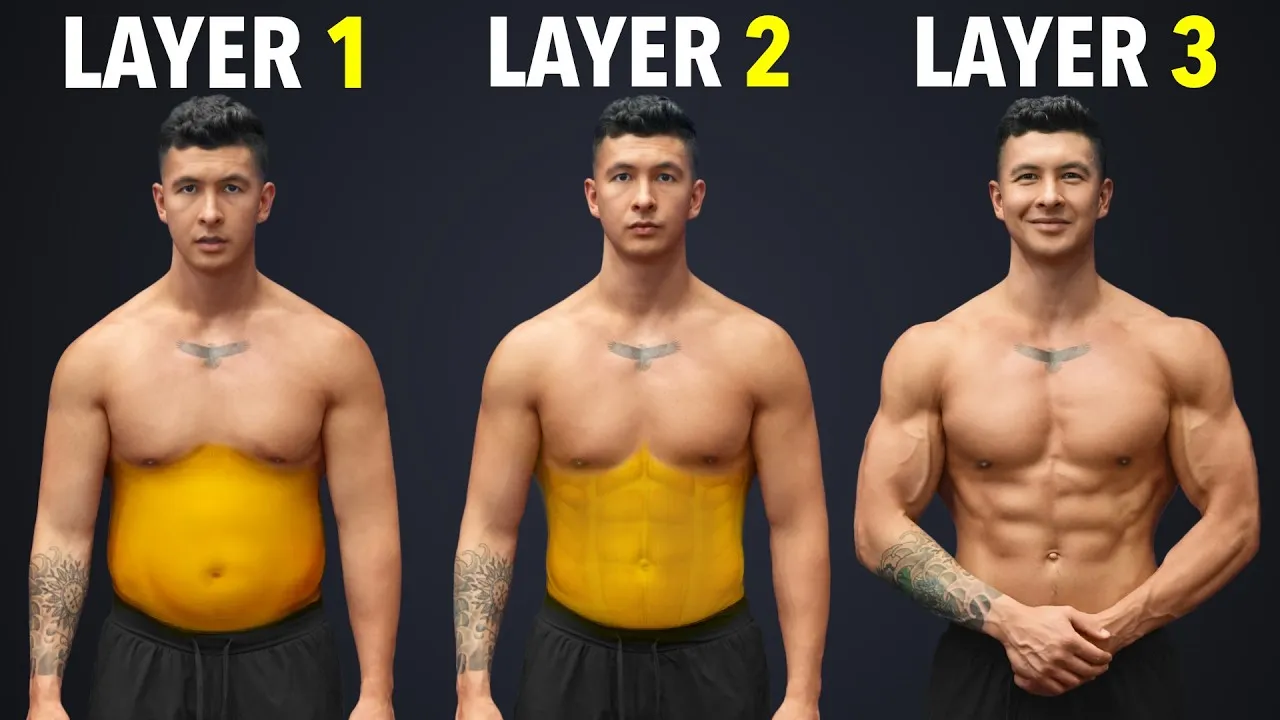
This observation leads to a three-layer model for belly fat loss:
Layer 1: The Outer Softness
This initial layer of belly fat is characterized by its softness and is the first barrier to seeing any abdominal definition. For men, reaching the end of Layer 1 typically means achieving around 20% body fat, where some upper ab definition may start to appear. For women, this stage often concludes around 28% body fat, leading to a tighter waistline and smoother contours, though clear ab definition may still be absent.
Strategies for Layer 1:
- Consistent Exercise: A workout plan focusing on fat loss while preserving muscle, such as three full-body workouts per week, is recommended.
- Nutrient-Dense Diet: Incorporating a palm-sized portion of lean protein at each meal and preparing most meals at home can help control intake and ingredients. Building meals around core foods is emphasized over strict calorie counting.
- Increased Daily Activity: Aiming for a baseline of 8,000 steps per day can significantly boost calorie expenditure.
- Regular Weigh-Ins: Tracking morning weight with a modest goal of one pound of fat loss per week provides tangible progress markers.
- Progress Photos: Crucially, taking regular progress photos can help individuals visualize changes in areas like the chest, shoulders, and arms, which may lean out before the belly, preventing discouragement.
The key to Layer 1 is managing expectations. Fat loss may initially be more noticeable in other body parts before the belly visibly reduces. This phase requires mental fortitude to push through perceived plateaus, even when the scale shows progress elsewhere.
Layer 2: Approaching Definition
This stage, often targeting men around 15% body fat and women around 23%, is where fat loss can slow down as the body adapts to the deficit. Strategies that worked in Layer 1 may become less effective.
Challenges and Strategies for Layer 2:
- Metabolic Adaptation: As weight decreases, the body’s calorie expenditure naturally lowers. Additionally, the body may conserve energy by reducing non-exercise activity thermogenesis (NEAT).
- Increased Activity: Raising daily steps to 10,000 can help maintain calorie expenditure without excessive hunger or burnout.
- Optimized Strength Training: Continuing with 2-3 full-body workouts per week is crucial for muscle preservation. Some research suggests that increasing training volume, particularly on stubborn areas, might even promote muscle growth during a deficit.
- Calorie Awareness: Calorie tracking becomes more important in this phase to ensure a consistent energy deficit. A general guideline for calorie intake can be body weight in pounds multiplied by 10-12, or using a calorie calculator based on current weight and activity level.
- Strategic Meal Planning: Creating a structured meal plan that includes enjoyable, nutrient-dense foods, and importantly, allows for a daily treat, can improve adherence.
A significant insight from recent research suggests that individuals may have one of two metabolic types: ‘spendthrift’ (metabolism stays high during calorie restriction) or ‘thrifty’ (metabolism slows down). Understanding this can help tailor calorie targets and activity levels.
Layer 3: The Final Stubborn Fat
This is the most challenging layer, where the last bits of stubborn fat reside, often around the lower abs and love handles. Fat in these areas is rich in alpha-2 receptors, which act like a brake on fat release, making it harder to burn.
Overcoming Layer 3:
- Nutrient-Dense, Satiating Foods: Prioritizing foods that promote fullness, such as certain types of potatoes known for their high satiety index, can be beneficial. Reducing high-calorie, low-satiety options becomes critical.
- Managing Cortisol: Extended dieting can increase stress hormones like cortisol, leading to water retention and a seemingly bloated appearance.
- Diet Breaks: Implementing strategic diet breaks—periods of 5-14 days where calorie intake is increased (around 500 calories above the dieting level, often with more carbohydrates)—can help lower cortisol, improve sleep, reduce hunger, and allow the body to reset, making subsequent fat loss more effective. This often leads to a sharper appearance even while consuming more food.
- Patience and Realism: Recognizing that this final stage is a battle and that visual progress may be slower, but more noticeable with each small change, is key. It’s also important to have realistic expectations about body fat percentage goals, as extreme leanness may not be sustainable or desirable for everyone.
Long-Term Success and Individual Journeys
The case study of ‘Namesh,’ who reduced his overall body fat from 29.5% to 16.7% and belly fat from 34.4% to 13% over 275 days, demonstrates the effectiveness of this layered approach. Notably, he also gained nearly seven pounds of lean mass, including muscle, during this process. His journey, which included a five-week maintenance period for travel, underscores that a slow, steady, and sustainable pace is often more effective than rapid, unsustainable methods.
It’s important to remember that individual results vary based on genetics, adherence, and metabolic response. This information is not a substitute for professional medical advice.
Key Health Takeaways
- Layered Fat Loss: Approach belly fat reduction in stages, recognizing that different strategies are needed for different levels of body fat.
- Prioritize Protein and Whole Foods: Focus on lean protein at meals and build your diet around nutrient-dense, home-prepared foods.
- Stay Active: Aim for a daily step goal (e.g., 10,000 steps) and engage in regular strength training to preserve muscle.
- Manage Expectations: Understand that belly fat often reduces later than fat in other areas. Use progress photos to track changes beyond just your midsection.
- Strategic Breaks: Consider incorporating diet breaks to manage stress hormones and prevent metabolic slowdown, especially during the final stages of fat loss.
- Consult Professionals: Always consult with a healthcare provider or a registered dietitian before making significant changes to your diet or exercise routine.
Disclaimer: This article is for informational purposes only and does not constitute medical advice. Always consult with a qualified healthcare professional before making any decisions related to your health or treatment.
Source: How to ACTUALLY Lose Belly Fat in 2026 (Using Science) (YouTube)