Unlock Inner Strength: Centering Core Exercises for Calm
In our fast-paced lives, finding a moment of calm and reconnecting with our inner selves can feel challenging. This article explores gentle yet effective core-strengthening exercises, inspired by yoga principles, designed not just to build physical strength but also to foster mental clarity and emotional balance. Often, the term “core work” conjures images of intense, demanding routines. However, this approach emphasizes a “cozy core” or “centering session,” focusing on mindful movement and breath to cultivate a sense of inner stability and spaciousness.
The Power of Centering
The practice begins with finding a comfortable seat, encouraging participants to sit tall and allow their shoulders to relax. The emphasis is on the breath, using it to nourish the body and mind. By bringing hands to the heart and focusing on deep inhales of “love in” and exhales of “love out,” the session immediately sets a tone of self-compassion and presence. This mindful breathing is crucial for tuning into the present moment, a fundamental step in both physical and mental centering.
A gentle circular motion of the torso, guided by the navel, helps to awaken the core muscles and find a sense of internal alignment. This movement, gradually shrinking to find a “center line” where the head, heart, and pelvis are aligned, is about developing an internal awareness of balance. This felt sense of center is then translated into simple arm raises and twists, further integrating breath with movement and promoting spinal mobility and core engagement.
From Gentle Awakening to Active Engagement
Transitioning to the floor, the practice shifts to more direct core engagement while maintaining the focus on breath and grounding. Hugging knees to the chest and rocking gently allows the back to release and feel supported by the earth. The exercises then progress to alternating leg extensions while one knee remains hugged in. Initially, the extended leg can rest on the floor, providing a stable base. For those ready to deepen the engagement, lifting the extended leg to hover off the ground activates the lower abdominal muscles.
The key is to draw the navel towards the spine and hug the low ribs in, engaging the deep core muscles. This controlled movement, switching between legs, is a foundational exercise for building core stability. For a more advanced option, participants can extend both legs straight, scissoring them back and forth, or keeping one knee bent. The transcript emphasizes listening to the body, suggesting modifications like reducing the range of motion or scooping the tailbone if any discomfort arises in the lower back. Crucially, it reminds practitioners to maintain their breath throughout these movements.
Building Deeper Core Connection
Further exercises involve bringing the shins parallel to the sky, with toes either tapping the floor or hovering. This variation, often referred to as a tabletop position with leg extensions, requires sustained core engagement to maintain the alignment of the spine. The movement can be subtle, focusing on sliding the shins on an imaginary wall, or it can involve extending one leg out at a time while keeping the other knee bent. The goal is to recruit the deep abdominal muscles without straining the lower back.
A more dynamic option includes lifting the tailbone slightly as the knees draw in, or performing a single-leg stretch motion with the knees together. Throughout these exercises, the advice is to keep the movement small and controlled if any “fussiness” is felt in the low back, prioritizing core engagement over a larger range of motion. The instruction to squeeze the knees together adds an extra layer of activation for the inner thighs and core.
Integrating Breath and Core for Well-being
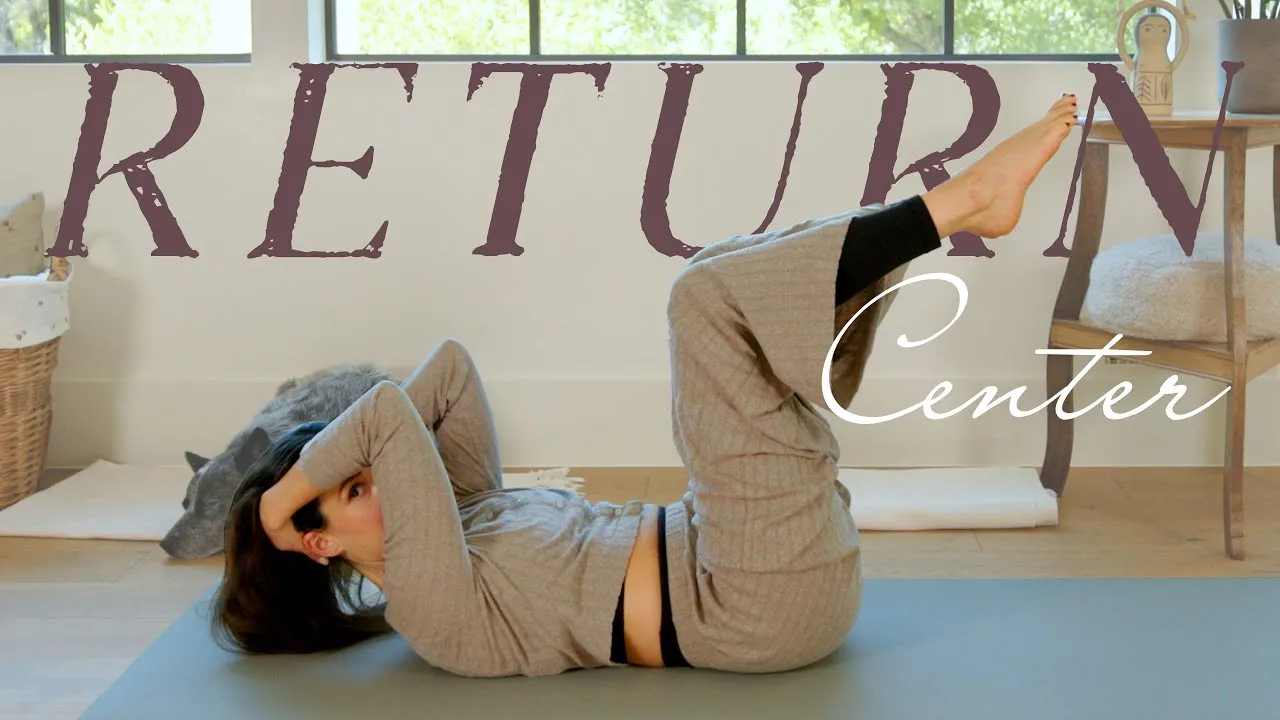
The practice culminates in exercises that further isolate the abdominal wall. One such movement involves interlacing fingertips behind the head, drawing the navel in and down, and gently lifting the chest. The focus is on tilting the pelvis to lengthen the lower back, aiming to create a flush connection with the mat. Exhaling to lift the chest and elbows, while keeping the feet grounded, works the upper abdominals. The emphasis is on isolating the abdominal wall, maintaining a slight space between the chin and chest, and keeping the skin of the face soft. This movement is about controlled engagement, cinching the hip points towards the navel with each exhale.
A final sequence involves lifting the shins parallel to the ceiling and performing toe taps, either alternating or together. This requires significant core control to prevent the lower back from arching. The instruction to imagine a “rubber band” between the hip points and low ribs signifies the importance of maintaining core tension and stability. The practice concludes with a final resting pose, encouraging deep relaxation and integration of the session’s benefits. The guided breathing, including a symbolic “sigh out” with sound, aims to release tension and promote a sense of peace.
Who Can Benefit?
This “cozy core” approach is designed for individuals of all fitness levels, particularly those who may find traditional core workouts intimidating or who experience discomfort in their lower back. It is suitable for anyone looking to improve posture, enhance body awareness, reduce stress, and cultivate a greater sense of inner calm. The modifications offered make it adaptable for beginners, while the progression allows for deepening engagement as strength and awareness increase.
Key Health Takeaways
- Mindful Breathing: Use deep breaths to anchor yourself in the present moment and reduce stress.
- Gentle Awakening: Start with simple seated movements and breathwork to find your center.
- Controlled Engagement: Focus on slow, deliberate core exercises that prioritize proper form and body awareness over speed or intensity.
- Listen to Your Body: Modify exercises as needed to avoid lower back strain, making movements smaller if necessary.
- Integrate Mind and Body: Connect physical core work with mental calm and emotional release for holistic well-being.
Disclaimer
This article is for informational purposes only and does not constitute medical advice. Always consult with your doctor or a qualified healthcare provider before beginning any new exercise program, especially if you have pre-existing health conditions or concerns. The exercises described should be performed with attention to your body’s signals, and any pain should be a cue to stop or modify the movement.
Source: Return – 4 – Center (YouTube)