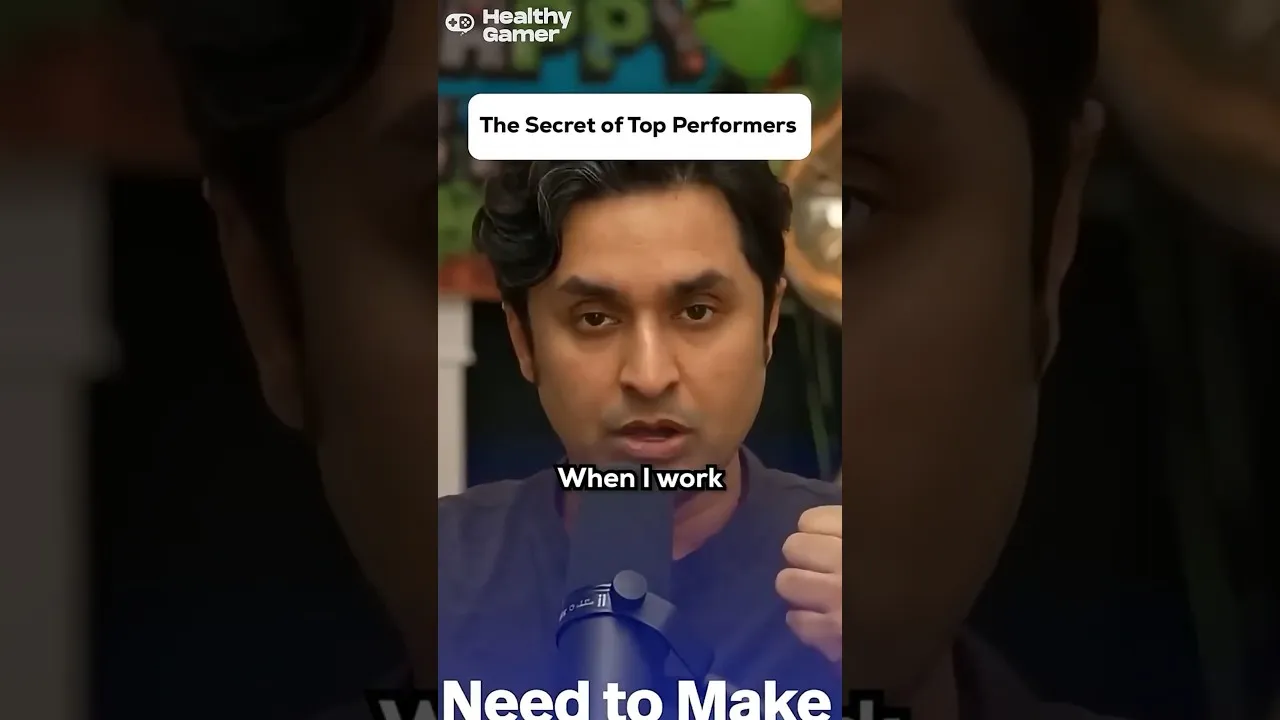
Unlock Success: The Power of Strategic Planning
In the pursuit of career advancement and personal achievement, a common thread binds high-performers: strategic planning. While talent and effort are crucial, the ability to map out future steps and adapt to challenges appears to be a significant differentiator between those who thrive and those who feel stagnant.
The Planning Advantage
Many individuals who excel in demanding fields, such as medicine or investment banking, demonstrate a consistent pattern of foresight and deliberate action. This isn’t about innate genius, but rather a cultivated habit of setting goals and charting a course to achieve them. For instance, a student aspiring to enter medical school might begin planning as early as their teenage years, selecting appropriate high school courses to gain admission to a strong undergraduate program, majoring in pre-med, and then meticulously preparing for medical school applications.
This proactive approach extends beyond initial career entry. Professionals who feel trapped in what they perceive as dead-end jobs often lack a clear vision of what comes next. The key, experts suggest, is to shift focus from feeling stuck to exploring possibilities. Even a seemingly unremarkable job can serve as a stepping stone. Gaining experience, even in a role with limited upward mobility, can build valuable skills and provide a foundation for future opportunities, such as a management position in a different organization.
Reverse Engineering Your Goals
A powerful technique for career development involves reverse engineering your aspirations. Imagine your dream job, and then break down the requirements and qualifications listed in its job description. This detailed outline effectively becomes a roadmap, a series of actionable steps to work towards over a defined period, typically ranging from five to seven years.
For example, consider an individual aspiring to become a developer at a specific, highly sought-after company like Riot Games. The process would involve thoroughly examining the job description for a developer role at that company. This analysis reveals a clear set of skills, experiences, and qualifications that are necessary. Each requirement on that list transforms into a task on a personal to-do list, a tangible objective to pursue.
This structured approach transforms a distant dream into an achievable plan. While diligently working through these steps significantly increases your chances of reaching your goal, it’s important to acknowledge that external factors also play a role. Success is influenced by a combination of dedicated effort, personal adaptability, and elements of luck or circumstance.
Navigating Your Path Forward
The fundamental question for anyone seeking progress is, “What comes next?” This question encourages a forward-thinking mindset, prompting individuals to identify the immediate next step, regardless of their current situation. If that step proves unfeasible or doesn’t lead to the desired outcome, the next crucial element is contingency planning – identifying Plan B, Plan C, and so on.
This iterative process of planning, acting, and adapting is essential for navigating the complexities of career growth. It empowers individuals to take control of their professional journey, transforming potential obstacles into manageable challenges and paving the way for sustained success.
Key Health Takeaways
- Embrace Proactive Planning: Consciously set career goals and map out the steps required to achieve them.
- Reverse Engineer Your Aspirations: Break down your dream job into specific, actionable requirements and create a timeline to meet them.
- View Jobs as Stepping Stones: Even roles with limited advancement can provide valuable experience for future opportunities.
- Always Ask “What’s Next?”: Cultivate a forward-thinking mindset to identify immediate steps and future possibilities.
- Develop Contingency Plans: Prepare for potential setbacks by outlining alternative paths (Plan B, Plan C).
Disclaimer: This article is for informational purposes only and does not constitute medical advice. Always consult with a qualified healthcare professional before making any decisions about your health or treatment.
Source: The Secret of Top Performers (YouTube)