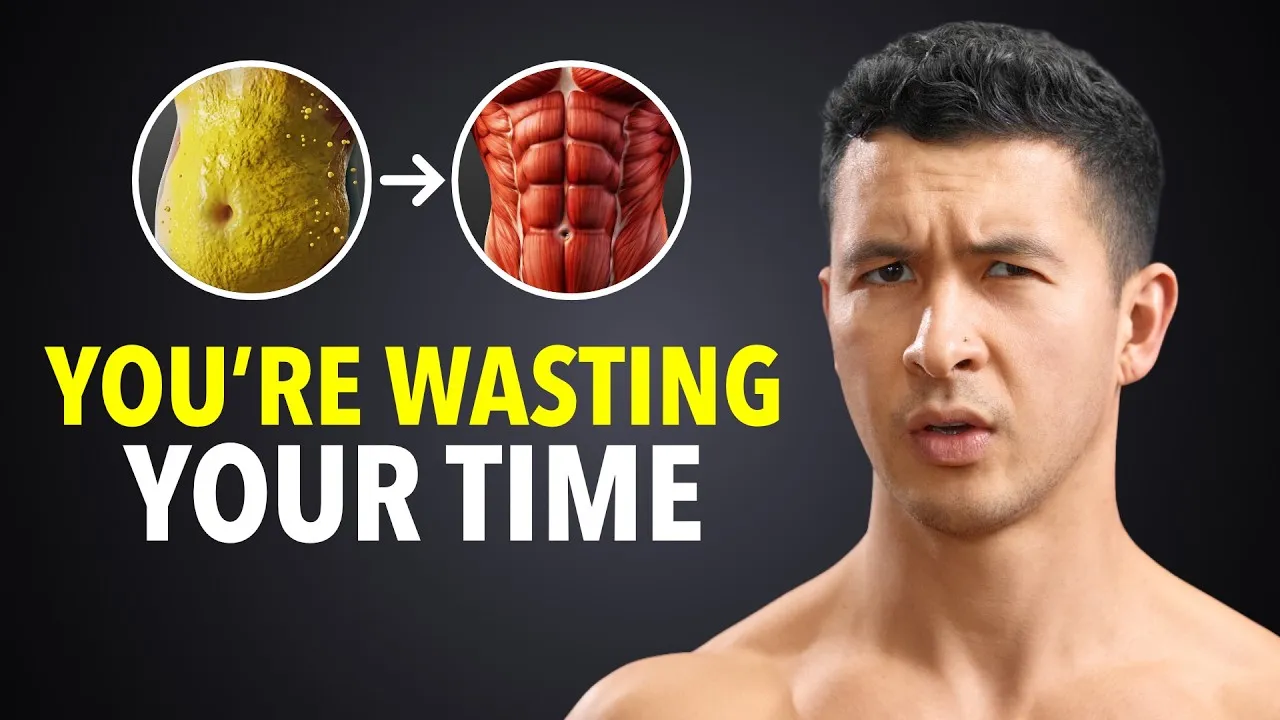
Unlock Visible Abs Faster: A Science-Backed Approach
Achieving visible six-pack abs often feels like a distant dream, taking months or even years for many. However, a new approach, grounded in scientific research, suggests it’s possible to see significant results in a fraction of the time. This method focuses on a strategic combination of diet, exercise, and lifestyle adjustments, proving that faster progress is within reach.
Understanding Body Fat and Ab Visibility
The key to seeing your abdominal muscles is reducing your body fat percentage. For men, clear ab definition typically starts to appear below 20% body fat, with a full six-pack visible around 15%. Women generally need to reach a slightly higher percentage, often between 18% and 25%, for their abs to show. It’s important to note that only a small percentage of the population naturally achieves this level of leanness.
Many people underestimate the amount of fat they need to lose. For example, individuals believing they are in the low 20% body fat range might actually be closer to 30%. This realization highlights the importance of accurate assessment and a well-defined plan.
The Science of Safe and Effective Fat Loss
Losing fat too quickly can lead to muscle loss, which actually hinders progress towards visible abs. Research, including work by Dr. Eric Helms, suggests that a safe and effective rate for fat loss while preserving muscle is between 0.5% and 1% of your body weight per week. Aiming for the higher end of this range, around 0.7% to 0.9%, can accelerate results without significant muscle loss.
For instance, losing about 1 to 1.5 pounds of fat per week is a sustainable target for many. If you’re aiming to reach 20% body fat from a higher starting point, this rate could mean seeing initial ab definition in roughly 90 days. The exciting part is that if you build muscle while dieting, your body fat percentage can decrease even faster, potentially revealing abs in as little as 60 days.
Dietary Strategies for Fat Loss
Diet plays a crucial role, but it’s not just about eating less; it’s about eating smarter. The goal is to create a calorie deficit—consuming fewer calories than your body burns—to promote fat loss. A deficit of 500 to 750 calories per day typically leads to about one to 1.5 pounds of fat loss per week.
However, simply cutting calories drastically can lead to unsustainable hunger. A more effective strategy involves choosing nutrient-dense foods that are lower in calories but high in volume and satiety. This allows you to feel fuller on fewer calories. For example, combining lean protein sources like Greek yogurt with protein powder and adding fruits like strawberries can create a satisfying, low-calorie snack.
For those with demanding schedules, like shift workers, planning quick, healthy snacks and satisfying meals is essential. Options like sugar-free Jell-O with fat-free Greek yogurt and protein powder, or even simple frozen grapes with a touch of lime and stevia, can help manage cravings and stay on track without derailing your progress.
The Power of Strength Training
Contrary to popular belief, endless ab crunches and long cardio sessions aren’t the most effective path to visible abs. Strength training is vital because it signals your body to preserve muscle mass while burning fat for energy. When you’re in a calorie deficit, your body can break down both fat and muscle for fuel; strength training tells it to prioritize fat.
It’s crucial to train your entire body, not just your abs. Focusing solely on abdominal exercises while dieting can lead to muscle loss in other areas, meaning the weight lost isn’t primarily fat. A well-rounded, four-day-a-week workout split that targets all major muscle groups is recommended to maximize muscle retention and fat loss.
Incorporating Cardio Wisely
While intense cardio like sprints can be effective, it’s often difficult to sustain long-term due to its demanding nature. A more accessible and sustainable form of cardio is walking. Increasing daily steps, aiming for around 10,000 per day, can significantly boost your calorie expenditure without causing burnout.
This added activity contributes to your overall calorie deficit, helping to speed up fat loss. For example, increasing your daily steps could add an extra 200 calories burned per day, further supporting your fat loss goals.
The Role of Sleep and Stress Management
Sleep and stress levels significantly impact fat loss and muscle retention. Lack of sleep can disrupt hormones like cortisol and testosterone, leading to increased muscle loss and reduced fat burning efficiency. Studies show that sleep-deprived individuals can lose significantly more muscle mass and less fat compared to those who get adequate sleep.
Prioritizing sleep, even with challenging schedules like shift work, is critical. Using tools like sleep masks and earplugs can help improve sleep quality. It’s often better to miss a workout than to sacrifice essential sleep, especially after demanding work shifts.
Navigating Challenges and Plateaus
The journey to visible abs isn’t always linear. Challenges like cravings, social events, and hormonal fluctuations (especially for women) can make consistency difficult. Bloating and water retention, particularly around menstrual cycles, can temporarily mask progress on the scale.
It’s important to remember that daily weight fluctuations are normal and influenced by many factors, including salt intake, sleep, and meal timing. Focusing on long-term trends rather than daily numbers is key. For women experiencing significant water retention, temporarily stepping off the scale might be beneficial.
Muscle Gain and Ab Definition
A significant benefit of a well-structured plan is the potential to build muscle while losing fat. This process, known as body recomposition, can accelerate the appearance of abs. Gaining muscle not only improves body composition but also boosts metabolism, making fat loss more efficient.
While men may have a slight advantage in developing deeply defined abs due to naturally higher muscle mass, both men and women can enhance ab visibility through targeted ab exercises that focus on stretching and contracting the muscles. Exercises like weighted cable crunches and reverse crunches can help build abdominal muscle size and definition.
Maintaining Results Long-Term
The real challenge often lies in keeping the weight off after reaching your goal. More than 80% of people who lose weight regain it. Sustainable habits are crucial for long-term success.
Key strategies include maintaining an active lifestyle, even after achieving your abs, and continuing to monitor your body weight regularly. Gradually increasing calorie intake to a maintenance level, rather than returning to old eating habits, is also vital. Focusing on consistency and patience, and celebrating progress based on your starting point, will lead to lasting results.
Key Health Takeaways
- Set Realistic Goals: Aim for a sustainable fat loss rate of 0.5% to 1% of body weight per week to preserve muscle.
- Prioritize Nutrition: Focus on nutrient-dense foods to manage hunger and create a calorie deficit effectively.
- Embrace Strength Training: Build muscle and boost metabolism by incorporating full-body strength workouts.
- Stay Active: Incorporate daily movement, like walking, to increase calorie expenditure without burnout.
- Value Sleep: Prioritize 7-9 hours of quality sleep per night for optimal hormone balance and fat loss.
- Manage Stress: Implement stress-reduction techniques to prevent hormonal disruptions that hinder progress.
- Be Patient: Understand that progress isn’t always linear; focus on long-term trends and consistency.
Disclaimer: This article is for informational purposes only and does not constitute medical advice. Always consult with a qualified healthcare professional before making any decisions about your health or treatment.
Source: The Fastest Way to Get 6 Pack Abs (Using Science) (YouTube)