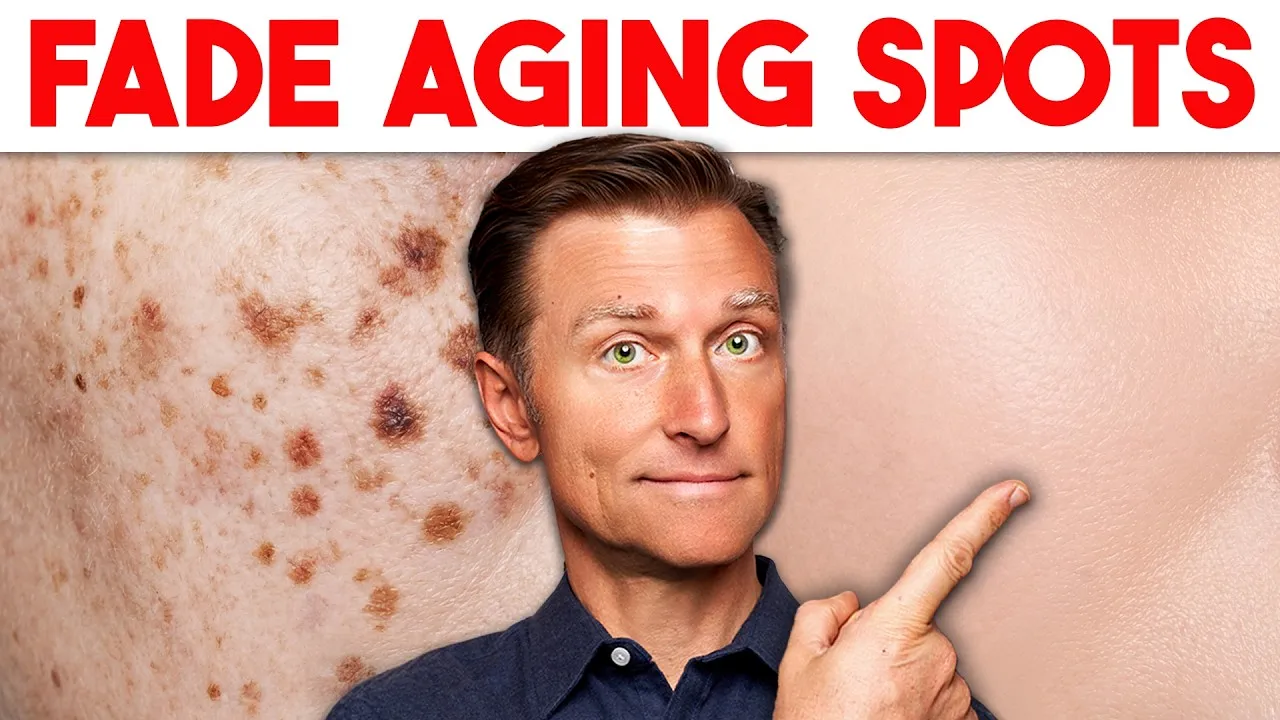
Unveiling the Truth: Age Spots Aren’t Just About Aging
The common brown spots that appear on the skin, often referred to as age spots, may not be a simple consequence of getting older, as widely believed. Emerging insights suggest that these hyperpigmented areas are linked to a complex interplay of factors, primarily an imbalance in melanin production regulated by a crucial molecule called glutathione.
Understanding Melanin and Oxidative Stress
Melanin is the pigment responsible for our skin, hair, and eye color. It’s produced by specialized cells called melanocytes and acts as a natural protective shield against harmful ultraviolet (UV) radiation from the sun and free radicals. When exposed to the sun, melanocytes increase melanin production, leading to a tan – a protective adaptation.
However, the issue arises not from melanin itself, but from its uneven production. When the regulatory mechanisms within melanocytes malfunction, melanin can accumulate in localized patches, resulting in what we perceive as age spots or hyperpigmentation. This uneven distribution is often a sign of an underlying imbalance.
At the core of this imbalance is oxidative stress. This condition occurs when there’s an excess of unstable molecules called free radicals, which can damage cells, compared to the body’s antioxidant defenses. Think of it like rust forming on metal – oxidation can degrade cellular structures over time.
The Role of Glutathione
Glutathione is often called the body’s “master antioxidant” and plays a pivotal role in managing oxidative stress. It has two primary functions relevant here: regulating melanin production and combating oxidation. When glutathione levels are insufficient, the body struggles to maintain even melanin distribution, leading to the formation of these distinct pigment spots.
According to insights from Dr. Berg, a proponent of this view, a deficiency in glutathione means the body cannot properly regulate melanin. In an attempt to compensate and protect itself from oxidative damage, the body may produce more melanin, but this production becomes unregulated and uneven, manifesting as spots.
Factors Influencing Glutathione Levels
Several factors can contribute to a decrease in glutathione levels, making individuals more susceptible to uneven melanin production:
Nutritional Deficiencies
Selenium: This essential trace mineral is crucial for the synthesis of glutathione. Unfortunately, modern farming practices have depleted selenium in many soils, and consequently, in our food supply. Even standard blood tests may not accurately reflect selenium levels, as much of it is stored within cells rather than circulating in the blood. Selenium is vital not only for glutathione production but also for immune function, thyroid health (converting T4 to T3 hormones), and protecting against autoimmune diseases like Hashimoto’s. Consuming just two Brazil nuts daily can provide adequate selenium, and it’s also found in shellfish like oysters.
Protein Quality: High-quality protein is another building block for glutathione. A shift towards plant-based proteins, while beneficial in some contexts, may not provide the necessary amino acids as efficiently for glutathione synthesis compared to high-quality animal proteins found in meats, eggs, and fish. Additionally, collagen, often found in bone broth or as a supplement, is important for connective tissues and also supports glutathione production.
Copper and Zinc Imbalance: Copper is another trace mineral involved in melanin production. The balance between copper and zinc is critical. An excess of one can lead to a deficiency in the other, impacting melanin regulation. Taking zinc supplements, for instance, can sometimes help restore the proper zinc-to-copper ratio, thereby supporting healthier melanin production.
Hormonal Changes and Stress
Menopause: As women go through menopause, declining estrogen levels can affect glutathione. Estrogen itself has antioxidant properties, and its decrease may increase the body’s demand for glutathione. This could be a contributing factor to why hyperpigmentation becomes more noticeable post-menopause.
Chronic Stress: Both mental and physical stress increase the body’s demand for glutathione. Intense exercise, inadequate sleep, and prolonged periods of stress deplete glutathione reserves, potentially exacerbating oxidative stress and its downstream effects, including uneven pigment production.
Environmental and Lifestyle Factors
Toxicity: Exposure to environmental toxins can increase oxidative stress and deplete glutathione.
Diet: A diet high in refined carbohydrates, processed foods, and frequent snacking can contribute to inflammation and oxidative stress, further taxing glutathione levels.
Addressing Age Spots from Within
The understanding that age spots are linked to internal imbalances, particularly low glutathione and oxidative stress, suggests a strategy for correction that goes beyond superficial treatments. By addressing the root causes, it may be possible to reduce and prevent these spots:
- Boost Glutathione: Ensure adequate intake of selenium (e.g., through Brazil nuts), high-quality protein, and potentially collagen.
- Manage Oxidative Stress: Adopt a diet rich in antioxidants, manage stress levels, prioritize sleep, and minimize exposure to toxins.
- Balance Minerals: Consider the balance of zinc and copper in your diet or through supplementation, as advised by a healthcare professional.
Topical Support for Faster Results
While addressing the internal factors is key for long-term resolution, topical treatments can offer faster, albeit temporary, improvements. Vitamin C serums are often recommended. Vitamin C is an antioxidant that can help support glutathione levels and may aid in regulating skin pigmentation. Applying a high-quality Vitamin C serum to the affected areas can complement internal strategies.
Expected Timeline for Improvement
Correcting these underlying imbalances takes time, as the skin’s layers need to regenerate. Visible improvements in hyperpigmentation may take anywhere from 30 days to six weeks, with significant changes often noted within one to two months.
Important Considerations and Disclaimer
This information is based on insights into the biochemical processes affecting skin pigmentation and is not a substitute for professional medical advice. The causes of hyperpigmentation can be varied, and it’s essential to consult with a healthcare provider or dermatologist to determine the exact cause and appropriate treatment plan for your specific condition. They can help rule out other potential skin issues and guide you on the best course of action, including personalized dietary recommendations or supplementation strategies.
Always consult your doctor before starting any new supplement regimen, especially if you have underlying health conditions, are pregnant, or breastfeeding. This article does not constitute medical advice.
Source: Age Spots Are NOT Normal Aging (YouTube)