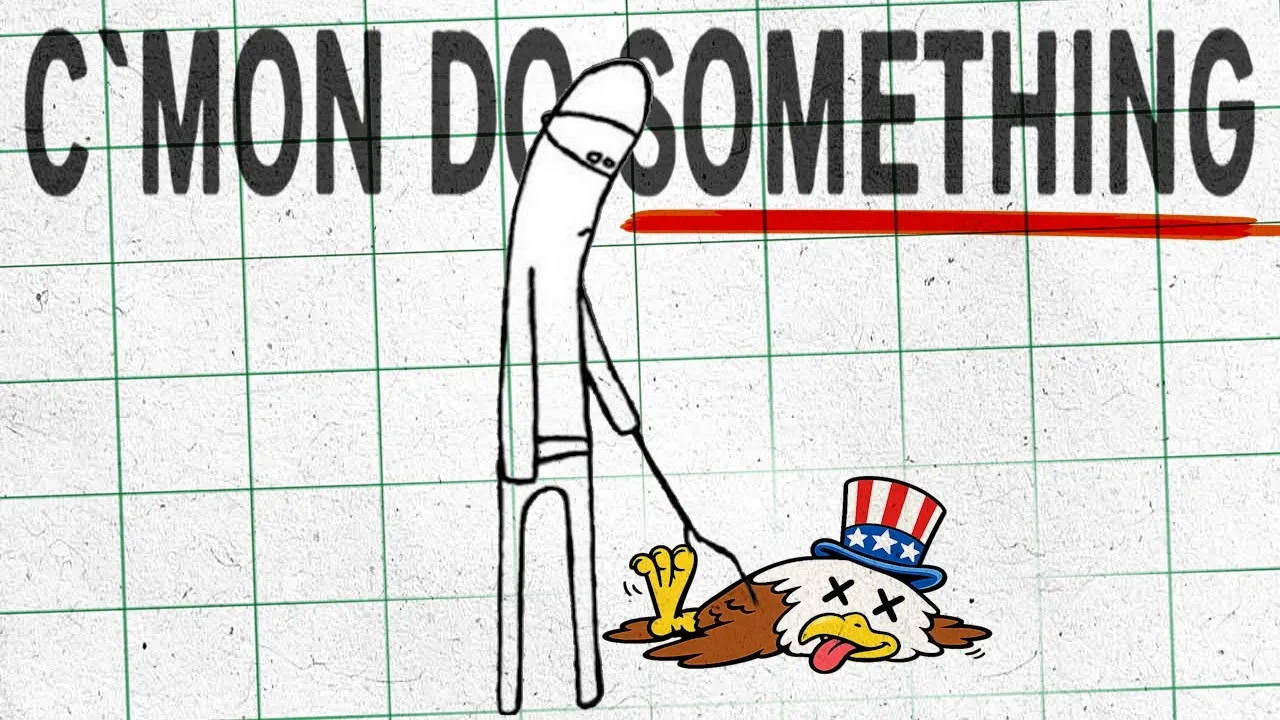
US Economy Shows Resilience Despite Unprecedented Volatility
In a period marked by sweeping policy shifts, trade disputes, and evolving economic landscapes, the United States economy has demonstrated a surprising level of resilience, defying predictions of a significant downturn. Despite a barrage of what could be considered destabilizing actions – from fluctuating tariffs and government shutdowns to shifts in healthcare and immigration policies – key economic indicators such as GDP growth, low unemployment, and market performance have remained robust.
Navigating a Sea of Uncertainty
The economic environment over the past year has been anything but stable. The transcript highlights a series of policy reversals and implementations, particularly concerning tariffs. For instance, tariffs were announced and then canceled multiple times, with special deals for certain countries being established and subsequently revoked. This erratic approach culminated in new tariffs being imposed on countries perceived as uncooperative, alongside threats directed at allies, trading partners, and even the Federal Reserve chairman.
Beyond trade, the domestic landscape has seen significant upheaval. These include adjustments to healthcare policy, substantial government workforce changes (including layoffs and rehiring), a lengthy government shutdown, and significant alterations to immigration policies impacting the labor market. Furthermore, record levels of new debt have been accumulated, partly due to sweeping tax reforms, while a standstill in regulatory developments like the “Basel III endgame” has left banks uncertain about capital requirements.
The AI Factor and Inventory Adjustments Masking Deeper Trends
A significant portion of the economy’s apparent strength can be attributed to substantial investment in Artificial Intelligence (AI) infrastructure. According to Bureau of Labor Statistics data, GDP growth was reported at an annualized rate of 4.3% in the third quarter of 2025. A considerable portion of this growth, approximately 2.5%, is directly linked to the massive capital expenditure by tech companies on AI development, including data center construction and semiconductor manufacturing. This spending has become a larger contributor to GDP growth than consumer spending.
However, this AI-driven growth is partially offset by a decrease in overall investment, specifically a decline in business inventories. When companies sell off goods previously held in inventory, it subtracts from the investment category in GDP calculations. The substantial selling of inventory accumulated before trade tensions intensified has effectively masked the net impact of increased AI spending. This suggests that the underlying economic health might be less robust than the headline GDP figures indicate, as the positive contribution from AI is being counterbalanced by a drawdown of existing assets.
Government Spending and Trade Balance: A Closer Look
Government spending has also contributed positively to GDP, driven by increased military expenditures and the negligible net impact of certain tax cuts. The trade balance presents a more complex picture. While a reduction in imports is beneficial for GDP, the data shows a simultaneous increase in exports and a decrease in imports. This has led to questions about the effectiveness of tariffs.
The increase in exports is largely concentrated in precious metals. From October 2024 to October 2025, total exports grew by $26 billion (inflation-adjusted), with $14 billion attributed to increased gold exports (a 517% rise year-on-year) and an additional $4 billion from silver exports (a 2,800% year-on-year increase). This surge in precious metal exports, particularly gold and silver, to safe-haven destinations like Switzerland and London, is seen as a sign of global investors diversifying away from the U.S. dollar. While this boosts export figures, it suggests a depletion of domestic stores of wealth rather than a sign of robust domestic production or demand.
Consumer Spending: A Tale of Two Economies
Consumer spending remains a crucial driver of GDP, making up a majority of the net contributions. While this indicates continued economic activity, a significant caveat is that a record portion of this spending is coming from the wealthiest households. This growth is less a sign of broad consumer confidence and more a reflection of asset appreciation benefiting affluent individuals.
Interestingly, even high-income households are increasingly facing financial difficulties, taking on debt recklessly. While detrimental to individual financial health, this sustained spending by wealthier demographics provides businesses with the confidence to continue producing goods and services, albeit increasingly catering to this affluent segment.
A notable driver of consumer spending growth has been the healthcare sector, particularly pharmaceuticals. This increase is attributed to an aging population, rising chronic health conditions, the demand for new pharmaceuticals like weight-loss drugs, and individuals seeking to utilize health benefits before potential loss of insurance coverage. While these factors contribute to economic output, they are largely non-discretionary and driven by necessity or systemic issues, rather than organic economic expansion.
Currency Depreciation and Tariffs: The Hidden Costs
The U.S. dollar has depreciated by over 10% against major currencies, a factor that can obscure the true economic picture. While economic growth might appear strong, this currency depreciation makes imports more expensive and exports cheaper. For the U.S., as the world’s largest net importer, this primarily leads to increased costs for consumers.
Furthermore, studies indicate that the burden of tariffs has overwhelmingly fallen on American consumers, with reports suggesting that 96% of tariff costs are passed through to households, while foreign exporters absorb only about 4%. This means consumers are importing less while paying more for the goods they do import, a scenario that is not conducive to long-term economic health.
Market Impact and Investor Outlook
The U.S. economy’s resilience can be partly explained by its sheer size and the privileged position of its financial markets. The vast domestic consumer and financial markets make rapid shifts difficult for foreign institutions to execute. Moreover, long-standing international agreements and alliances provide a buffer against immediate collapse, even when tested.
However, the current economic strength is built on factors that may not be sustainable, such as depletion of precious metals reserves and continued reliance on AI investment. The depreciation of the dollar, increased import costs due to tariffs, and the concentration of spending among the wealthy all pose risks.
For investors, the current environment presents a complex picture. While markets have hovered near all-time highs, the underlying drivers of economic growth are mixed. The reliance on AI spending, inventory drawdowns, and increased spending on non-discretionary items like healthcare suggest that the apparent strength may be masking underlying vulnerabilities. The long-term implications could include sustained inflation for consumers, potential future economic slowdowns if AI investment falters or if global confidence in the dollar wanes further, and a widening wealth gap. The resilience observed so far offers time to address these issues, but the path forward requires careful monitoring of both headline figures and the less visible economic mechanics.
Source: Why Hasn't The Economy Collapsed… Yet? (YouTube)