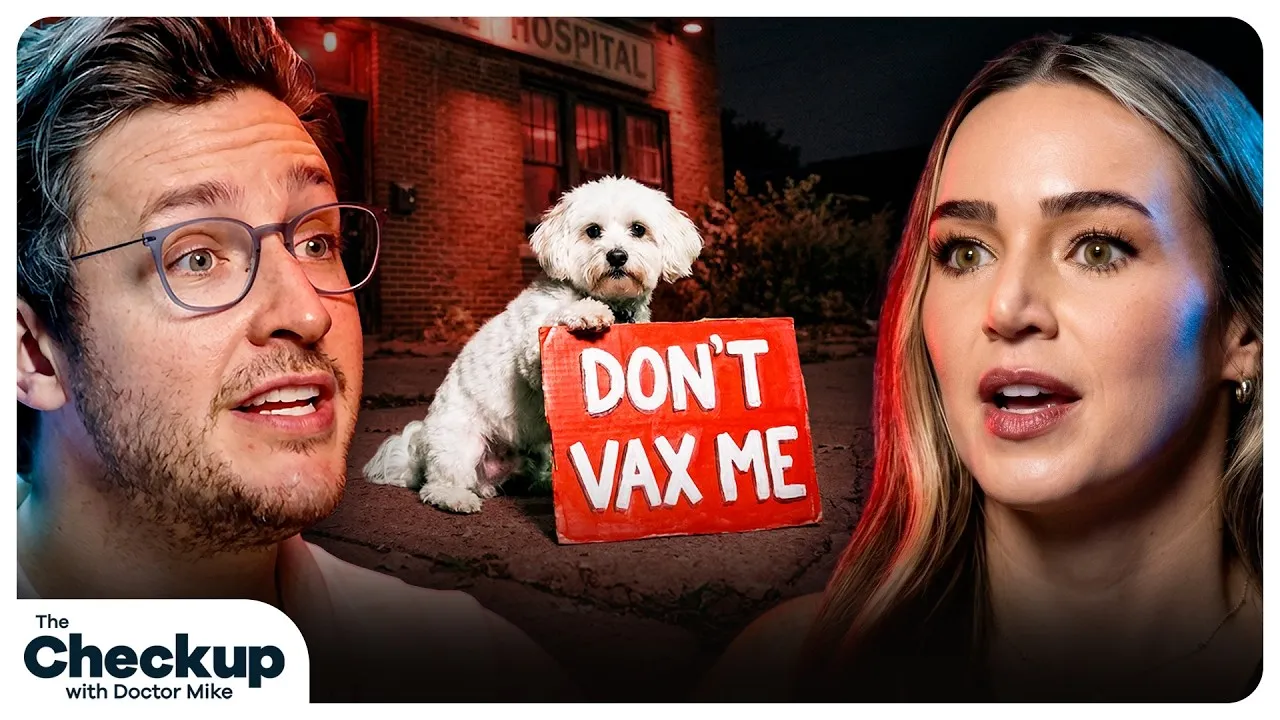
Veterinarians Battle Misinformation: Why Pet Vaccines and Preventatives Matter
Social media is a breeding ground for misinformation, and the veterinary world is no exception. Dr. Sylvalyn Hammond, known online as “The Honest Vet,” is on the front lines, combating dangerous myths about pet health. She emphasizes that veterinarians face unique challenges, much like pediatricians, as they care for patients who cannot speak for themselves.
The Dangers of Online Health Advice
Dr. Hammond explains that anyone can create compelling content online, regardless of their expertise. This makes it difficult for pet owners to distinguish between accurate information and harmful advice. “The person on screen looks very confident. What they’re saying makes sense because the people who are listening to it don’t have a background in medicine,” she notes. This can lead to widespread confusion and potentially dangerous decisions regarding pet care.
Vaccine Myths Debunked
One of the most prevalent myths Dr. Hammond encounters is that vaccines cause serious health problems in pets, including cancer and autoimmune disorders. She clarifies that while more pets are being diagnosed with cancer today, it’s largely because pets are living longer, and diagnostic tools have improved significantly. “Yes, more pets are getting cancer now because not only are they living longer, we’re also able to diagnose it,” she states.
Historically, pets that became ill often succumbed to their ailments with little diagnostic effort. Unlike today, where advanced testing is common, decades ago, many pets were simply considered to have died of old age, with their true cause of death unknown. Furthermore, people often didn’t track their pets’ ages as diligently as they do now, leading to the misconception that pets lived much longer in the past.
The Importance of Parasite Prevention
Dr. Hammond also stresses the critical role of parasite prevention, such as heartworm, flea, and tick treatments. She shares a heartbreaking story of a one-year-old dog who died from heartworm disease because her owner underestimated the importance of monthly prevention. “He just didn’t think it was that important. Got it. Right. He had was told about it at his puppy visits. Didn’t think it was that important. Didn’t understand the severity of heartworm disease and how quickly it could affect his dog,” she recounts.
Heartworm disease, in particular, can be fatal and devastating. The treatment for advanced heartworm disease is often complex and expensive, and in severe cases, humane euthanasia may be the only option. This experience profoundly impacted Dr. Hammond, motivating her to become more active on social media to educate pet owners about preventable diseases.
She also addresses concerns about flea and tick preventatives, explaining that while rare side effects like seizures can occur in predisposed dogs, the risk is extremely low. For dogs that cannot tolerate certain medications, veterinarians can offer alternative safe and effective options. “It’s individualized care,” Dr. Hammond assures pet owners.
Addressing Chronic Conditions and Lifestyle Choices
The conversation also touched upon chronic conditions like atopic dermatitis (severe itchy skin disease) in dogs. While lifestyle changes like weight management and bathing can help, Dr. Hammond emphasizes that these measures are often not enough on their own. “Many of them won’t respond to that alone. They’ll still need medications to control their itch and give them a good quality of life,” she explains.
She acknowledges that some people believe veterinarians prescribe medications primarily for profit, calling them “shills for big pharma.” However, Dr. Hammond counters that veterinarians often make little to no profit from these prescriptions, especially when owners purchase them from online pharmacies. Their primary motivation is to alleviate suffering and improve the well-being of their patients.
Navigating Pet Healthcare Decisions
Dr. Hammond urges pet owners to rely on credible sources for pet health information and to have open conversations with their veterinarians. She highlights the parallels between human and animal medicine, noting how advancements in care lead to longer lifespans but also introduce new health challenges, such as chronic diseases and cancer.
Ultimately, the goal is to provide pets with the best possible quality of life. This often involves a combination of preventive care, diagnostics, and, when necessary, medical treatments. Dr. Hammond’s work on social media aims to cut through the noise and provide clear, evidence-based guidance to help pet owners make informed decisions for their beloved companions.
Key Health Takeaways
- Be wary of pet health advice found on social media; always consult your veterinarian.
- Vaccines are safe and crucial for protecting pets against serious diseases.
- Regular parasite prevention (heartworm, flea, and tick) is vital and can save your pet’s life.
- Don’t hesitate to discuss chronic conditions with your vet; safe and effective treatments are available.
- Veterinarians prioritize your pet’s health and well-being, not just profit.
Disclaimer: This article is for informational purposes only and does not constitute medical advice. Always consult with a qualified veterinarian regarding your pet’s health and treatment.
Source: The Truth About Pet Anti-vaxxers | Dr. Sylvalyn Hammond (YouTube)