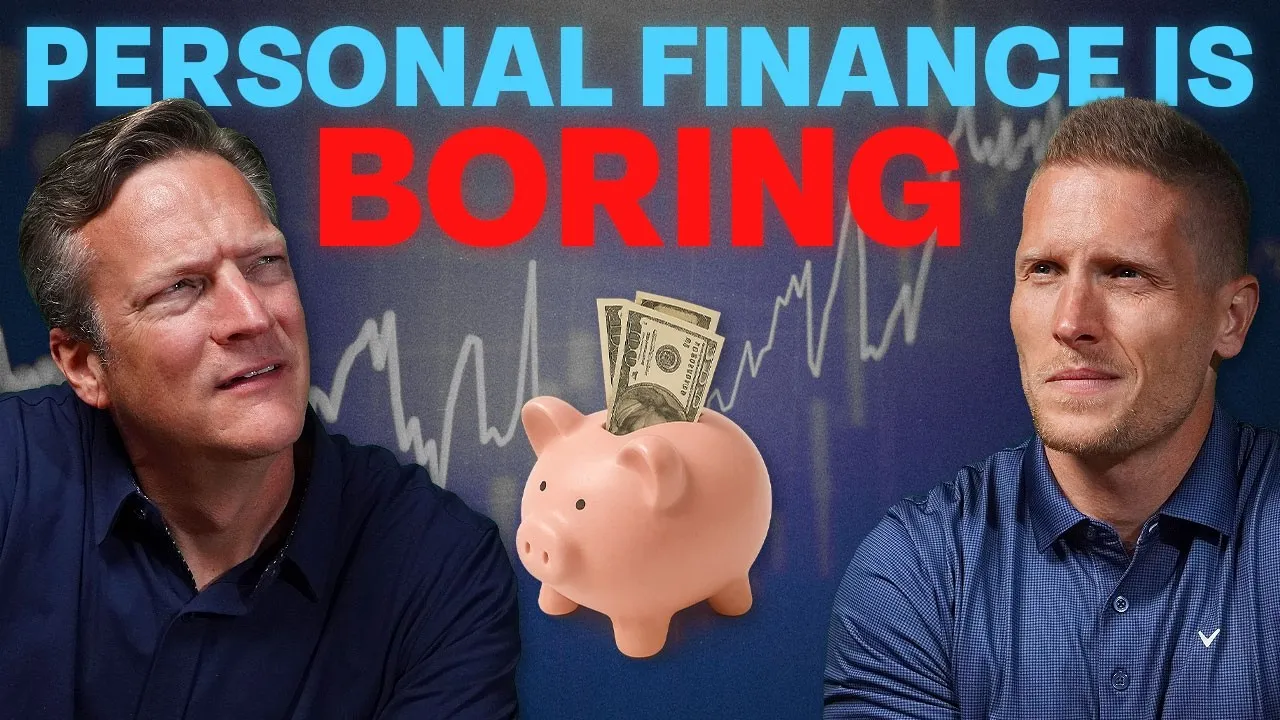
The Mundane Middle: Why Slow Wealth Building Matters
Building wealth can feel like a slow, steady climb. Many people do all the right things financially but find the process… well, boring. This often happens in what experts call the “mundane middle.” It’s that long stretch after you’ve started saving and investing but before you see dramatic results. Despite feeling uneventful, this phase is crucial for long-term financial success.
Financial experts Brian Preston (CFP®, CPA) and Bo Hanson (CFA®, CFP®) highlight that this middle period is where true wealth is built. They offer practical tips to stay motivated and focused, even when progress seems slow. Understanding this phase can help you stick with your financial plan and achieve your goals.
Embracing the ‘Slow and Low’ Approach
Think of building wealth like cooking a great barbecue. You don’t rush it; you let it cook slowly over low heat. This gentle, consistent process is key to developing rich flavors and tender results. Similarly, financial growth requires patience and steady effort over time. Quick gains are rare and often risky.
The Financial Order of Operations (FOO) outlines steps for managing your money. Steps six and seven, which involve investing and accumulating wealth, are where the mundane middle typically occurs. It’s about consistent saving and letting your investments grow through compounding. This steady approach, while not flashy, is the most reliable path to significant wealth.
Tip 1: Track Your Progress
One of the best ways to fight boredom is to look back and see how far you’ve already come. Many people focus only on the future goal and forget their past achievements. Taking time to review your financial progress can be incredibly motivating. Even small steps add up over time.
For example, if you started with zero savings and now have $10,000 invested, that’s a huge accomplishment. Acknowledging these milestones helps you appreciate the journey. It shows that your consistent efforts are paying off, even if the numbers aren’t massive yet. This perspective can reignite your drive.
Tip 2: Calculate Your Future Trajectory
Knowing where you are going can make the journey more exciting. Experts suggest using simple formulas to understand your investment growth potential. One key concept is the “crossover point.” This is the moment when your investment returns start earning more money than you are contributing each year.
Imagine your investment portfolio is a snowball rolling down a hill. At first, you have to push it quite a bit. But as it grows, it starts picking up speed and size on its own. The crossover point is when the snowball gets so big that its own momentum is adding more snow than you can push onto it. This signifies your money is working hard for you.
Using a compound interest calculator can help you estimate this point. By inputting your current savings, contribution rate, and expected rate of return, you can see when your wealth might start accelerating. This forward-looking view provides a tangible goal and reinforces the power of long-term investing.
Tip 3: Celebrate Many Milestones
Big goals are important, but breaking them down into smaller milestones makes the journey more manageable and rewarding. Instead of waiting until you reach a million dollars, celebrate smaller wins along the way. These mini-victories keep your motivation high.
Examples of milestones include reaching a specific savings amount, like $5,000 or $25,000. Another could be paying off a certain debt. For those focused on investing, hitting a $10,000 investment portfolio value or achieving your crossover point are significant achievements. Use tools like a net worth tracker to visualize these accomplishments.
These celebrations don’t need to be extravagant. A nice dinner out or a small treat can acknowledge your hard work. The key is recognizing your progress and reinforcing positive financial behavior. This makes the process feel less like a chore and more like a rewarding pursuit.
The Crossover Point Explained
The crossover point is a powerful concept for understanding investment growth. It’s the specific time when the income generated by your investments surpasses the amount you actively save and invest each year. Let’s say you invest $10,000 per year, and your portfolio grows to a size where it generates $11,000 in returns annually. You’ve hit your crossover point.
This signifies that your money is now working harder than you are. It’s a critical psychological and financial marker. Reaching this point means your wealth-building efforts are accelerating. It transitions you from actively pushing the snowball to watching it grow with increasing speed.
Tip 4: Define Your ‘Why’
The most effective way to stay motivated through the mundane middle is to connect with your fundamental reasons for building wealth. Ask yourself: Why am I doing this? What does financial freedom mean to me?
Your ‘why’ could be retiring early to travel the world, providing for your family, or having the security to pursue passions without financial stress. Understanding your deepest motivations transforms the repetitive tasks of saving and investing into purposeful actions. This clarity helps you stay committed, even when the day-to-day progress feels slow or boring.
Market Impact
The principles discussed apply broadly across personal finance and investment management. While individual results vary based on market conditions and personal circumstances, the core message remains consistent: patience and discipline are paramount. The concept of the crossover point highlights the power of compound interest, a fundamental driver of long-term market returns.
What Investors Should Know
Investors should understand that the ‘mundane middle’ is a normal and essential part of wealth accumulation. Focusing on consistent contributions and long-term growth, rather than short-term market fluctuations, is key. Celebrating milestones and understanding your personal financial goals can provide the necessary motivation to stay the course. The crossover point serves as a tangible goalpost, illustrating the accelerating nature of compound growth once a certain portfolio size is achieved.
Source: HELP! I’m Financially Responsible But It’s SO Boring (YouTube)