Why Everything Feels More Expensive Than Inflation
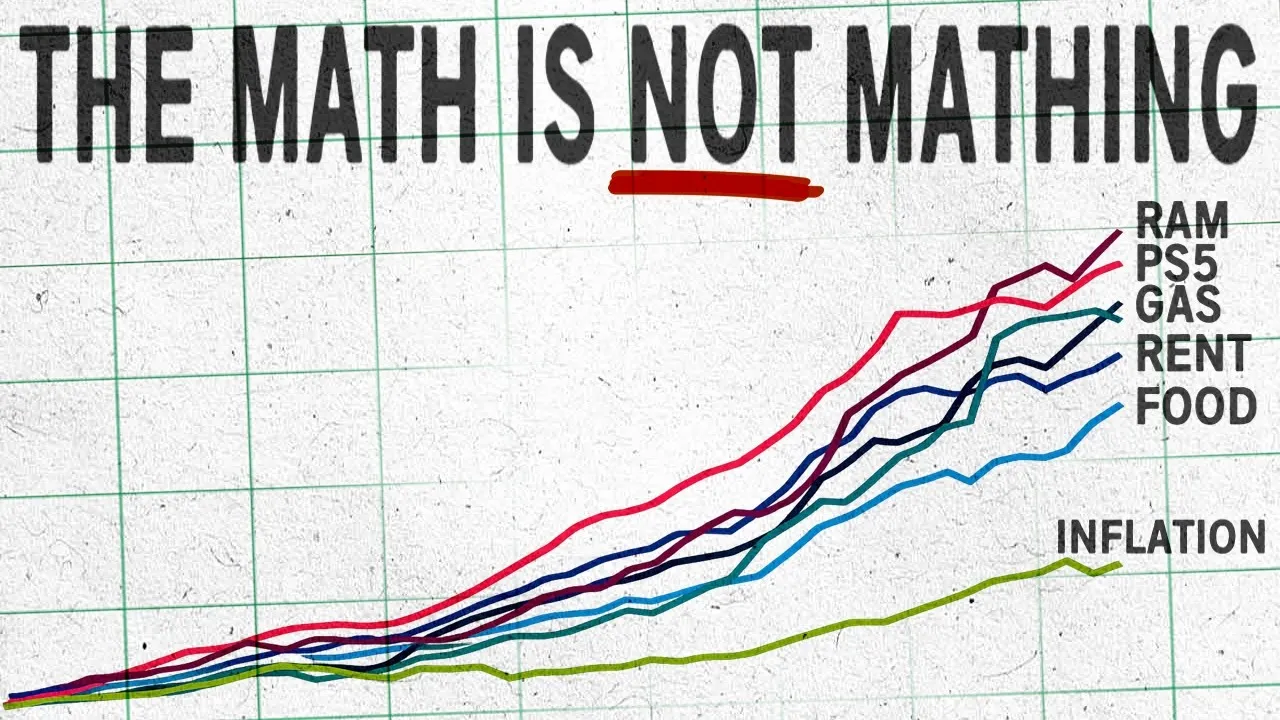
You might feel like prices are soaring, even when official inflation numbers seem low. There’s a good reason for this disconnect, and it’s not about secret government manipulation. Instead, it boils down to how we measure inflation and some big shifts in the economy.
Inflation Numbers vs. Daily Life
The government tracks inflation using a “basket of goods and services,” called the Consumer Price Index (CPI). This basket helps measure how much prices change over time. For much of 2023, the annual inflation rate hovered around 3%, and it has since dropped to about 2.5%. On paper, this means prices are rising slowly.
But for many people, this doesn’t match their everyday experience. It’s hard to find many items that have only increased in price by 10% over the last three years. This feeling that everything is getting more expensive faster than the official numbers suggest is widespread.
The Role of Technology and Quality Adjustments
One reason for this difference is how quality changes are handled in inflation calculations. Think about smartphones. A new iPhone might cost the same as an older model, but it’s hundreds of times more powerful. Statisticians try to account for this by adjusting prices downwards when quality improves.
So, if a phone gets better features like a higher pixel camera or a faster processor, its price might be adjusted to reflect the improved quality. This means the official number might show a lower price increase than what you actually pay, especially if you don’t need all those advanced features. Many people find they pay more for a device that meets their basic needs, like messaging friends or browsing the internet, without needing the latest, most expensive technology.
Housing’s Complex Role
Housing is a huge part of most people’s budgets, but it’s measured in a complicated way for inflation. The government tries to separate housing as a place to live from housing as an investment. They survey homeowners and look at rental prices to estimate something called “owner’s equivalent rent.” This tries to figure out what a homeowner would charge if they rented their home.
However, this method has drawbacks. Rental data can lag behind the real housing market by months. Also, rents can vary greatly depending on what’s included, like utilities or maintenance. For homeowners, this measurement often ignores costs like property taxes, insurance, and mortgage interest, which can significantly impact their expenses.
The Decline in Product Quality and “Shrinkflation”
Another factor is that some products are simply getting worse, even if their prices stay the same. This is sometimes called “shrinkflation” or “skimpflation.” Companies might use cheaper materials, reduce the amount of product, or cut back on ingredients to save money. This means you might be paying the same price, or even more, for something that isn’t as good as it used to be.
Examples include changes in fast food, where prices have risen significantly, turning a cheap convenience into a costly treat. Even basic consumer goods can suffer from reduced quality, making them feel more expensive despite stable price tags.
Dynamic Pricing and Hidden Costs
The way companies price goods and services is also changing. “Dynamic pricing” means that the price you pay can change based on your shopping habits, when you shop, or even your perceived wealth. Algorithms can adjust prices for individual customers, making it hard to know the true average cost.
Furthermore, getting the best price often requires extra effort. For example, using a fast-food app, checking daily rewards, and navigating complex bundle offers can lead to significant savings compared to someone who just wants a quick, simple purchase. These hidden hurdles and personalized pricing make it difficult to track the real cost of everyday items.
What Investors Should Know
The official inflation rate, while a key economic indicator, doesn’t always capture the full picture of rising costs for individuals. Factors like quality adjustments in technology, the unique way housing costs are measured, declining product quality, and dynamic pricing strategies all contribute to the feeling that prices are outpacing inflation.
For investors, understanding these nuances is important. It highlights that while headline inflation numbers are one data point, the actual cost of living and doing business can be influenced by many other factors. Sectors heavily affected by technological advancements, housing markets, and consumer goods will experience these pressures differently. The trend of energy bills rising, driven partly by demand from large data centers, also adds to the cost pressures felt by consumers and businesses alike.
Looking Ahead
With oil prices on the rise and ongoing discussions about tariffs, the cost pressures are unlikely to ease soon. While official inflation might show a gradual slowdown, the everyday experience of consumers suggests that the true cost of living continues to climb. This disconnect between statistical measures and lived reality is a critical point for understanding economic trends and their impact on personal finances.
Source: How Is Everything Outpacing Inflation At The Same Time? (YouTube)