Xbox Chief Phil Spencer Retires, Ushering in New Era at Microsoft Gaming
In a surprising turn of events for the gaming industry, Phil Spencer, the long-standing chief of Xbox, is retiring from Microsoft after nearly 40 years with the company, including 12 years at the helm of its gaming division. The announcement, made by CEO Sachin Nadella in an internal memo, marks a significant leadership shift for one of the world’s largest gaming platforms. Spencer will remain in an advisory role through the summer to ensure a smooth transition.
New Leadership: A Focus on AI and Consumer Experience
Taking over as CEO of Microsoft Gaming will be Asha Sharma, the current president of Microsoft’s core AI product. This move signals a potential strategic pivot for Xbox, emphasizing AI integration and consumer-facing strategies. Sharma, who previously held roles at Meta and Instacart, is noted for her consumer experience, though she is not a self-proclaimed gamer like Spencer. This has raised some eyebrows and discussions within the community about the future direction of Xbox under non-gamer leadership.
In her internal memo, Sharma expressed a commitment to Xbox’s roots, stating, “We will celebrate our roots with a renewed commitment to Xbox, starting with console, which has shaped who we are.” She also addressed concerns about AI-generated content, assuring that Microsoft will “not chase short-term efficiency or flood our ecosystem with soulless AI slop. Games are and always will be art crafted by humans and created with the most innovative technology provided by us.” Matt Booty, formerly head of Microsoft’s gaming studios, has been promoted to executive vice president and chief content officer under Sharma.
Spencer’s Complex Legacy at Xbox
Phil Spencer’s tenure at Microsoft was marked by both significant triumphs and notable missteps. He oversaw the acquisition of Mojang Studios for $2.5 billion in 2014, a move that proved incredibly successful with the Minecraft franchise, and the monumental $75 billion acquisition of Activision Blizzard in 2023. Under his leadership, Xbox also pioneered advancements in accessibility for gamers with disabilities, a move widely praised for its genuine impact and commitment to inclusivity.
However, Spencer’s time was also characterized by controversial decisions, including what many perceive as a confusing and detrimental console naming strategy, with the Xbox One, One S, One X, Series S, and Series X lineup causing significant brand confusion. Additionally, the evolution of Game Pass from its initial promise of incredible value to its current state has been a point of contention for many.
The discussion also touched upon the perceived decline of key franchises like Halo, with some suggesting that the departure of Bungie was a more critical factor than leadership changes. The comparison was drawn to Star Wars, where a perceived intentional hiring of individuals who did not align with the franchise’s core identity led to a departure from its original spirit.
The Rise of “AI Slop” and Gamer Preferences
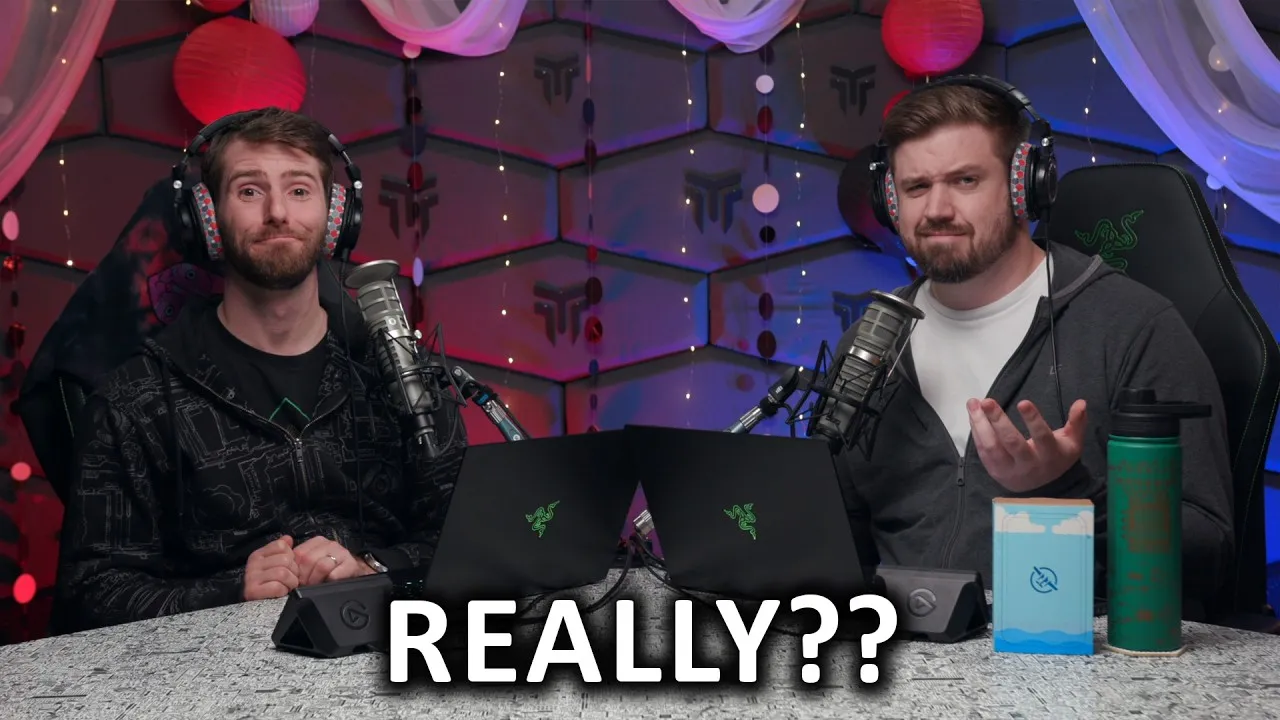
The conversation also delved into the growing concern over AI-generated content, particularly on platforms like YouTube and TikTok. The hosts discussed how AI “slop”—content that is poorly executed, misleading, or entirely fabricated—is proliferating, making it difficult for users to discern truth from fiction. They highlighted instances of AI-generated videos and articles spreading misinformation, and the challenge of combating this trend without discouraging users from seeking information.
Interestingly, the discussion touched upon gamer preferences, with an anecdote suggesting that gamers might overwhelmingly prefer upscaled resolutions (like DLSS) over native resolutions or even FSR. This points to a potential disconnect between technical purity and the perceived visual quality and performance gamers desire.
Who Should Care and What’s Next?
This leadership change at Xbox is significant for anyone invested in the future of console gaming. The appointment of an AI-focused leader like Asha Sharma raises questions about Microsoft’s long-term strategy, particularly regarding the integration of AI in game development and player experiences. While Spencer’s departure is undoubtedly the end of an era, the industry will be watching closely to see if Sharma can build upon Xbox’s strengths, particularly in accessibility, while navigating the evolving landscape of gaming and technology.
The concerns about AI-generated content and the nuanced preferences of gamers also highlight broader trends in digital media consumption and the challenges of maintaining authenticity and quality in an increasingly automated world.
Source: Gamers Overwhelmingly Prefer Fake Resolution – WAN Show February 20, 2026 (YouTube)