AI Tackles Complex Haircuts, Redefining Robotics
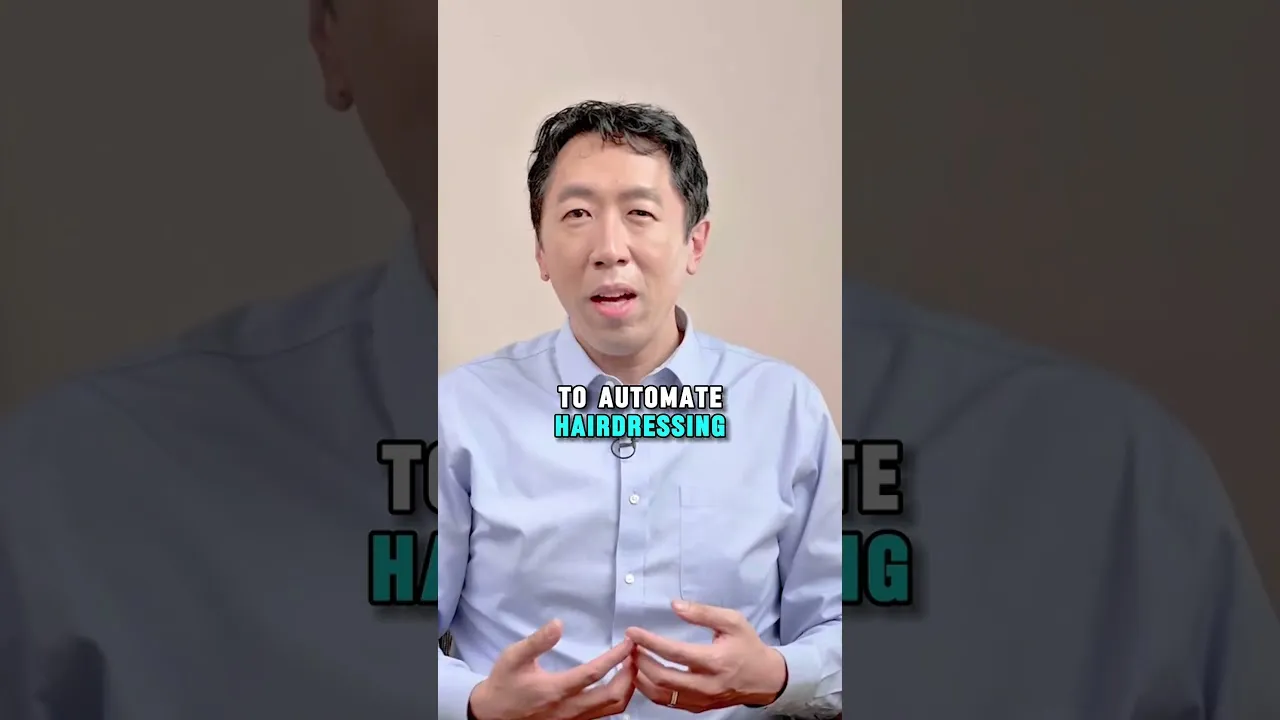
The notion that certain industries are immune to the pervasive influence of artificial intelligence and robotics is rapidly becoming a relic of the past. Even the seemingly intricate and human-centric field of hairdressing is now on the AI frontier, thanks to advancements that challenge previous assumptions about the limitations of automated systems. A recent anecdote shared by a robotics professor highlights this shift, suggesting that while complex, individualistic hairstyles might still be beyond robotic capabilities, simpler, more standardized styles are increasingly within reach.
The Human Element vs. Algorithmic Precision
For years, the complexity of human hair and the nuanced art of hairstyling have been cited as prime examples of tasks too intricate for robots. The organic nature of hair, the subtle variations in texture and growth patterns, and the subjective aesthetic preferences of clients have traditionally required human dexterity, creativity, and an intuitive understanding of form. However, the robotics professor’s observation points to a growing capability in AI and robotics to handle tasks previously thought to be exclusively within the human domain.
The challenge for AI in robotics isn’t just about replicating physical movements; it’s about interpreting complex, often ambiguous, instructions and adapting to unpredictable variables. In hairdressing, this means understanding not just the desired end-state of a haircut but also the specific characteristics of an individual’s hair and scalp, and then executing precise physical actions to achieve that state. The professor’s comment suggests that for many common hairstyles, the variability is now manageable for robotic systems, implying a significant leap in the AI’s ability to perceive, plan, and act.
Advancements in Perception and Control
The progress enabling robots to potentially cut hair, even simple styles, stems from breakthroughs in several key AI areas:
- Computer Vision: Advanced AI algorithms can now analyze images and video with remarkable accuracy. This allows robots to ‘see’ and map the contours of a head, identify hair length and thickness, and even detect subtle variations in hair growth direction. This is crucial for planning the precise movements of cutting tools.
- Machine Learning and Pattern Recognition: AI models can be trained on vast datasets of hairstyles and cutting techniques. Through machine learning, these systems can identify patterns associated with different styles and learn the optimal sequences of actions required to achieve them.
- Robotic Kinematics and Control: Alongside AI, improvements in robotic arm precision, dexterity, and force feedback are critical. Robots can now execute movements with sub-millimeter accuracy and adapt their force application in real-time, essential for safely and effectively cutting hair without causing discomfort or damage.
While the professor’s statement implies that highly avant-garde or complex cuts remain challenging, the ability to handle ‘simpler’ styles signifies a crucial threshold. This opens the door for AI-powered solutions in more standardized grooming services, potentially impacting barbershops and salons that offer common haircuts.
Why This Matters
The implications of AI and robotics entering the hairdressing industry are far-reaching:
- Accessibility and Cost: Automated hairdressing could potentially lower costs and increase accessibility to grooming services, especially in areas with a shortage of human stylists or for individuals with mobility issues.
- Consistency and Efficiency: Robots can perform tasks with consistent precision, reducing human error and potentially speeding up service times for routine haircuts.
- New Business Models: This could lead to the development of automated barber kiosks or services that offer quick, standardized trims, complementing traditional salons.
- Shifting Labor Market: While not replacing human stylists entirely, it could shift the demand towards more complex, creative, and client-consultation-heavy roles, while automating simpler, repetitive tasks.
The anecdote, though informal, is a powerful indicator of AI’s expanding reach. It highlights the ongoing evolution of robotics from industrial automation to tasks requiring finer motor skills and a degree of environmental interpretation. As AI continues to advance, the boundaries of what machines can do will keep expanding, pushing us to reconsider industries we once thought were exclusively human.
Source: My Haircut is so Simple, It's AI-Ready 🤷♂️ (YouTube)