Understanding Body Fat Percentage: A Visual Guide to Health
Body fat percentage is a crucial metric for understanding your overall health and fitness. It represents the proportion of your total body weight that is composed of fat.
While often associated with aesthetics, body fat percentage plays a vital role in numerous bodily functions, including hormone production, temperature regulation, and nutrient storage. Knowing where you stand can be a powerful motivator and a guide for setting realistic health goals.
Why Body Fat Percentage Matters
A certain amount of body fat is essential for good health. It cushions organs, protects the body from extreme temperatures, and stores vital vitamins. However, both excessively high and excessively low body fat levels can pose health risks.
High body fat, particularly visceral fat (fat around the organs), is linked to an increased risk of chronic diseases such as heart disease, type 2 diabetes, high blood pressure, and certain cancers. Conversely, very low body fat can disrupt hormone balance, affect reproductive health, and impair immune function.
Visualizing Body Fat Levels
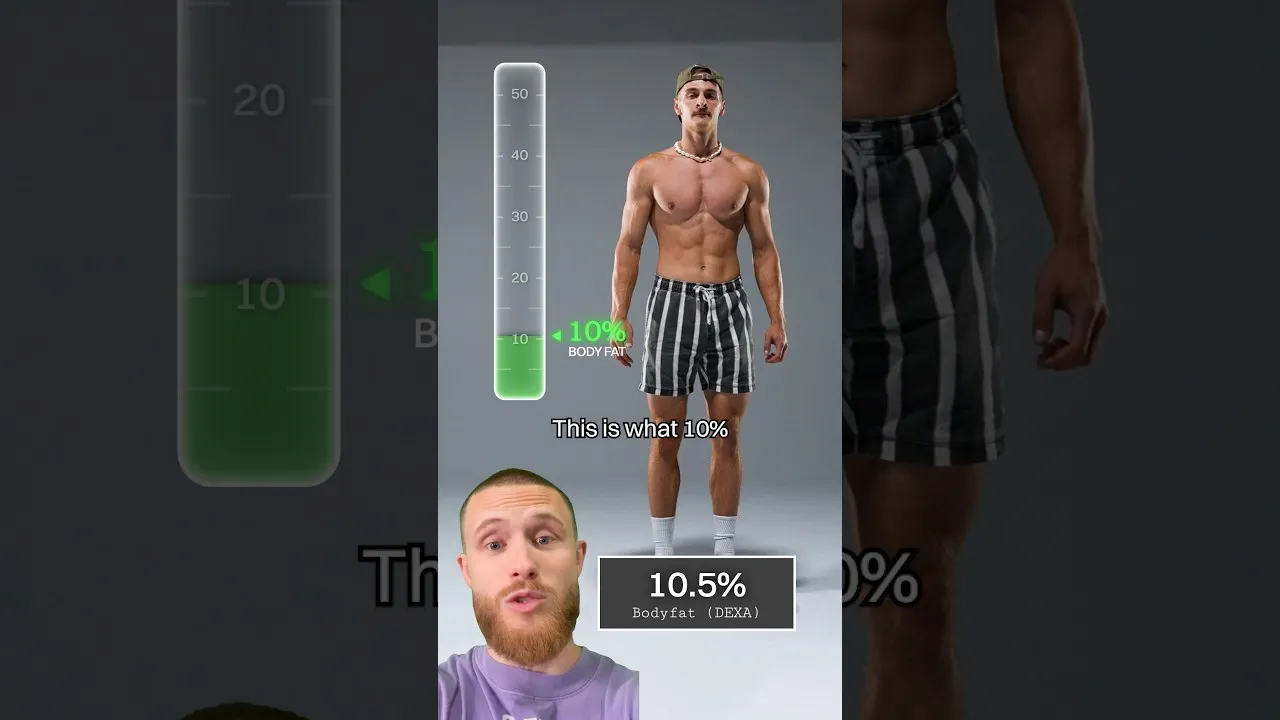
The concept of body fat percentage can sometimes feel abstract. Visualizing what different percentages look like can provide a more tangible understanding.
Body fat distribution varies significantly between men and women due to hormonal differences and anatomy. Generally, women naturally carry a higher percentage of essential body fat than men.
For Men:
- 10-15% Body Fat: Often considered the “athletic” range. Muscles are well-defined, and abs are typically visible. Essential fat is present, but minimal.
- 15-20% Body Fat: A healthy and fit range for many men. Good muscle definition, with abs likely visible with good lighting or muscle contraction.
- 20-25% Body Fat: This range often indicates a “fitness” or “average” level. Some body fat is visible, particularly around the midsection. Muscle definition may be less pronounced.
- 25-30% Body Fat: Indicates overweight status. Body fat is noticeable, and muscle definition is significantly obscured. Increased risk factors for health issues may begin to emerge.
- 30%+ Body Fat: Consistently associated with obesity. Significant accumulation of body fat, greatly obscuring muscle tone. Higher risk of obesity-related health complications.
For Women:
- 15-20% Body Fat: Considered essential for women’s health, supporting reproductive functions. Muscle definition may be visible, with a lean appearance.
- 20-25% Body Fat: A healthy and fit range for many women. Good muscle definition is usually apparent.
- 25-30% Body Fat: This range often indicates a “fitness” or “average” level. Some body fat is visible, and muscle definition may be less pronounced.
- 30-35% Body Fat: Indicates overweight status. Body fat is noticeable, and muscle definition is significantly obscured. Increased risk factors for health issues may begin to emerge.
- 35%+ Body Fat: Consistently associated with obesity. Significant accumulation of body fat, greatly obscuring muscle tone. Higher risk of obesity-related health complications.
How to Measure Body Fat Percentage
Several methods exist to estimate body fat percentage, each with varying degrees of accuracy:
- Body Fat Calipers (Skinfold Measurement): A relatively inexpensive method where a trained professional pinches the skin and underlying fat at specific sites on the body. Accuracy depends heavily on the skill of the person performing the measurement.
- Bioelectrical Impedance Analysis (BIA): Devices like smart scales or handheld BIA meters send a low electrical current through the body. Fat resists the current more than muscle and water, allowing the device to estimate body fat. Accuracy can be affected by hydration levels.
- Dual-energy X-ray Absorptiometry (DXA) Scan: Considered a more accurate method, DXA scans measure bone density, lean body mass, and fat mass. They are often performed in clinical or specialized fitness settings.
- Hydrostatic Weighing (Underwater Weighing): An older, highly accurate method that compares your weight on land to your weight while submerged in water. This is less common due to its complexity.
Setting Realistic Goals
Understanding your current body fat percentage is the first step. The next is setting achievable goals. Rapid or extreme weight loss or gain is rarely sustainable or healthy.
Focus on gradual changes through balanced nutrition and regular physical activity. Aiming to reduce body fat by 1-2% per month is often a more realistic and sustainable target than aiming for drastic changes in a short period.
Consulting Professionals
It is always advisable to consult with a healthcare provider or a registered dietitian before making significant changes to your diet or exercise routine, especially if you have underlying health conditions. They can provide personalized advice based on your individual health status and needs.
Key Health Takeaways
- Body fat percentage is a vital indicator of overall health, impacting hormone function, temperature regulation, and disease risk.
- Both high and low body fat levels can pose health risks.
- Body fat distribution and essential fat percentages differ between men and women.
- Various methods exist for measuring body fat, with varying accuracy (calipers, BIA, DXA).
- Set realistic, gradual goals for improving body composition through diet and exercise.
- Consult healthcare professionals for personalized health advice.
Disclaimer: This article is for informational purposes only and does not constitute medical advice. Always consult with a qualified healthcare provider for any health concerns or before making any decisions related to your health or treatment.
Source: What Is Your Body Fat Percentage? (Find Out!) (YouTube)