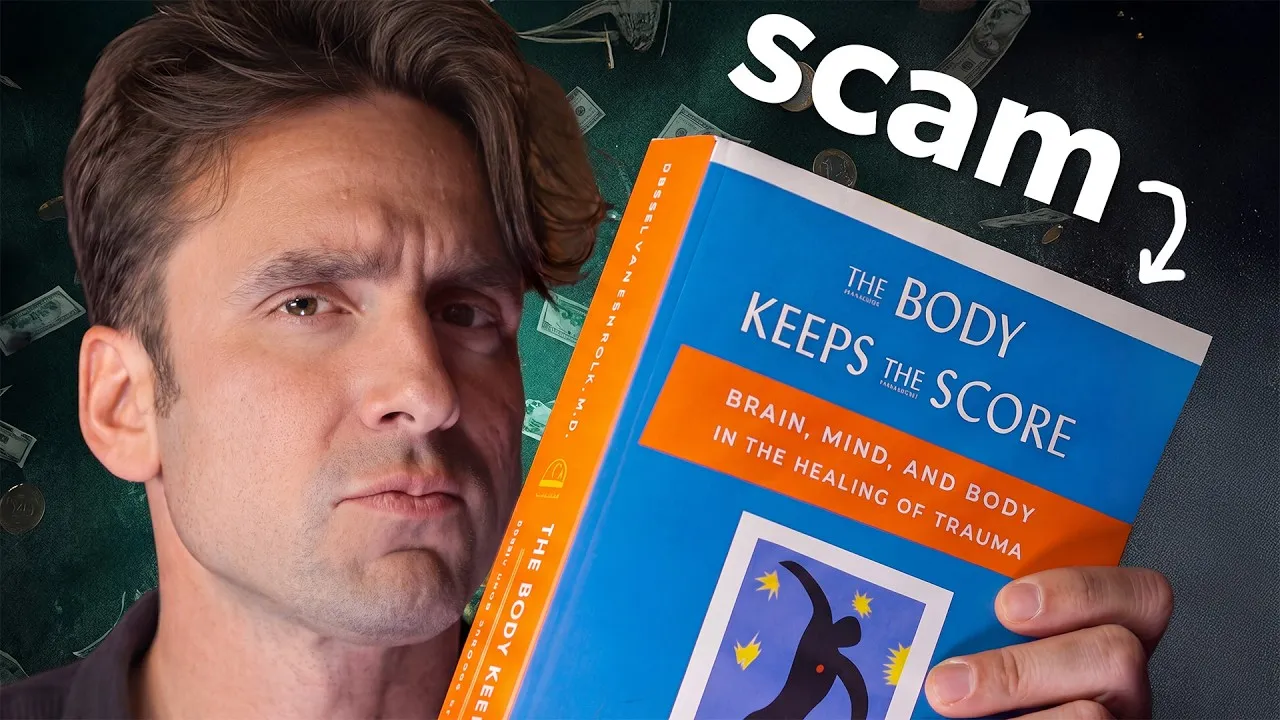
Trauma Book’s Claims Questioned by New Analysis
A highly popular book that suggests trauma is stored in the body and linked to many illnesses is facing scrutiny. The book, “The Body Keeps the Score,” by Bessel van der Kolk, has sold millions of copies and influenced how many people understand trauma. However, a recent analysis of the research cited in the book raises questions about the accuracy of its central claims.
Challenging the “Trauma Stored in the Body” Idea
Bestselling author and psychiatrist Bessel van der Kolk has become a leading voice in trauma research. His book, “The Body Keeps the Score,” argues that trauma can cause lasting physical changes in the brain and body.
Van der Kolk suggests that issues like chronic pain, digestive problems, and even asthma could be linked to unprocessed trauma. The book also proposes that trauma is extremely common, affecting more than half the population, and can be caused by experiences beyond severe violence or war.
However, Dr. Michael Scaringi, a professor at Tulane University School of Medicine with nearly 30 years of experience in PTSD research, has published a detailed critique of van der Kolk’s work. Scaringi’s analysis, titled “The Body Does Not Keep the Score,” suggests that van der Kolk often misinterprets or misrepresents scientific studies to support his theories.
A key criticism is the reliance on cross-sectional research, which takes a snapshot of a person’s brain or body at one point in time. This type of study cannot prove that trauma caused the observed changes, as these differences might have existed before the traumatic event occurred.
Examining Brain Activity Claims
One of van der Kolk’s main arguments is that trauma damages the brain’s insula, a region involved in processing emotions and bodily sensations. He claims that most brain imaging studies of trauma patients show abnormal insula activity.
Scaringi’s review found that out of 21 relevant studies, 20 were cross-sectional. The findings were contradictory, with some studies showing increased insula activity and others showing decreased activity or no change.
Van der Kolk also claims that trauma rewires the brain’s amygdala, an area linked to survival and fear responses. He suggests that trauma makes the amygdala overactive, leading people to perceive the world as a dangerous place. However, Scaringi’s analysis of studies on the amygdala found similar issues.
Most studies were cross-sectional, making it impossible to determine cause and effect. Out of 23 papers, 13 showed no difference in amygdala activity between people with and without PTSD, directly contradicting van der Kolk’s claim.
Crucially, Scaringi points to two studies that examined amygdala activity before and after a traumatic event. These studies found no change in amygdala activity after the trauma, suggesting that the amygdala is not necessarily rewired by traumatic experiences.
Questioning the Prevalence and Impact of Trauma
The book also suggests that trauma is the root cause of many mental and physical health conditions, including depression, addiction, and Parkinson’s disease. However, experts like Dr. Christopher Palmer, a Harvard psychiatrist, propose that metabolic dysfunction is a more likely root cause of many mental health issues. Palmer has successfully treated patients with severe mental illnesses, including schizophrenia and bipolar disorder, using the ketogenic diet to improve brain energy metabolism.
The analysis also highlights instances where van der Kolk allegedly misrepresents research. For example, a claim that traumatized children have significantly higher rates of asthma was linked to a study that reportedly did not mention asthma at all. Another claim about the social development of girls who experienced sexual assault was strongly refuted by the cited researcher as inaccurate and harmful.
The Role of Lifestyle and the Nocebo Effect
The critique suggests that van der Kolk’s broad definition of trauma and his emphasis on its pervasive negative effects might lead people to focus on past trauma rather than more immediate lifestyle factors that impact mental health. Simple interventions like regular exercise, a balanced diet, sufficient sleep, and social connection are shown to be highly effective for conditions like depression.
The analysis introduces the concept of the nocebo effect, the opposite of the placebo effect. This occurs when negative expectations lead to negative physical symptoms. The critique posits that by emphasizing the widespread and severe negative consequences of trauma, van der Kolk’s book might inadvertently cause some individuals to experience negative symptoms or attribute existing issues to trauma, even if it’s not the primary cause.
Expert Opinions and Recommendations
While PTSD is a recognized and serious disorder, the analysis questions whether the broad concept of “trauma” as presented in “The Body Keeps the Score” is supported by the evidence. Many experts, including Dr. Russell Barkley, a leading ADHD specialist, have criticized figures like Gabor Maté (who is also discussed in the analysis for similar broad claims about trauma) for oversimplifying complex conditions like ADHD and attributing them solely to trauma, often confusing correlation with causation.
The takeaway from this analysis is that while understanding past experiences is important, it’s crucial to rely on robust scientific evidence. The critique suggests that focusing on practical, evidence-based strategies for improving physical and mental well-being, such as diet, exercise, and stress management, may be more beneficial for many individuals than solely focusing on uncovering and healing past trauma, especially when the scientific basis for the pervasive negative effects of trauma is questioned.
This article is for informational purposes only and does not constitute medical advice. Always consult with a qualified healthcare provider for any health concerns or before making any decisions related to your health or treatment.
Source: Your therapist's favorite book is bullsh*t (YouTube)