Understand the Link Between Childhood Abuse and Adult Relationships
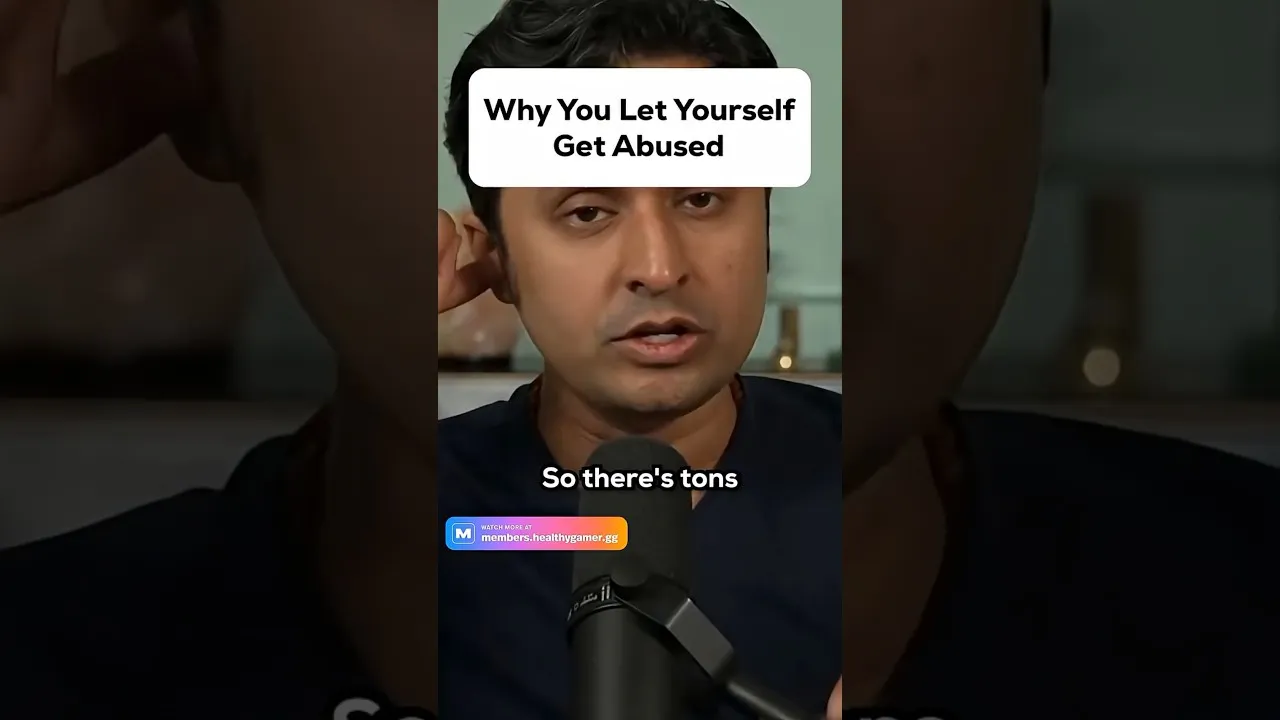
Research shows a strong connection between experiencing abuse as a child and facing abuse in adult romantic relationships. Many people feel trapped in a cycle, believing they are powerless to change their situation. This feeling of powerlessness can become a way to avoid responsibility, making it seem like you couldn’t have acted differently in the past.
While difficult circumstances can certainly impact anyone, it is possible to regain control. For example, a therapist working with a 28-year-old who was sexually abused at age nine acknowledges the child’s lack of power at that time. However, the therapist also guides the adult to recognize they have had the power to make different choices in the years since that trauma.
The Psychology of Powerlessness
Believing you are powerless can feel like a shield. If you believe you have no control, then you can’t be blamed for bad outcomes.
This perspective can prevent you from seeing your own agency and ability to make changes. It’s a difficult truth to face that past powerlessness does not dictate future possibilities.
This belief that you are powerless can, ironically, attract further abuse. When individuals don’t believe they have the strength to set boundaries or leave harmful situations, others may exploit that perceived vulnerability. Recognizing this pattern is the first step toward breaking it.
Regaining Your Power
The journey from feeling powerless to reclaiming your agency is challenging but achievable. Therapists often help individuals process past traumas, like childhood abuse, and understand how those experiences shape current behaviors and relationship patterns. This process involves acknowledging the lack of control during the traumatic event itself.
The crucial shift happens when you realize that while you were once powerless, you have gained power over time. This growing power allows for conscious choices to avoid or leave abusive situations. Owning this regained power is key to changing your future relationship experiences.
Key Health Takeaways
- Childhood abuse significantly increases the risk of experiencing abuse in adult relationships.
- Feeling powerless can be a coping mechanism that hinders personal growth and perpetuates cycles of abuse.
- Recognizing past powerlessness is important, but it’s also vital to acknowledge the power you’ve gained since then.
- Therapy can help individuals process trauma and develop strategies to break free from abusive relationship patterns.
- Taking active steps to set boundaries and make different choices is essential for creating healthier relationships.
When to Seek Professional Help
If you find yourself repeatedly in abusive relationships or struggling with the effects of childhood trauma, professional help is available. Therapists specializing in trauma and relationship dynamics can provide guidance and support. They can help you understand the roots of these patterns and develop tools to build healthier connections.
Remember, past experiences do not define your future. By understanding the psychological impact of trauma and actively working to reclaim your sense of power, you can change your relationship trajectory. This journey requires courage, self-compassion, and often, the support of trained professionals.
This article is for informational purposes only and does not constitute medical advice. Always consult with a qualified healthcare provider for any health concerns or before making any decisions related to your health or treatment.
Source: Why You Let Yourself Get Abused (YouTube)