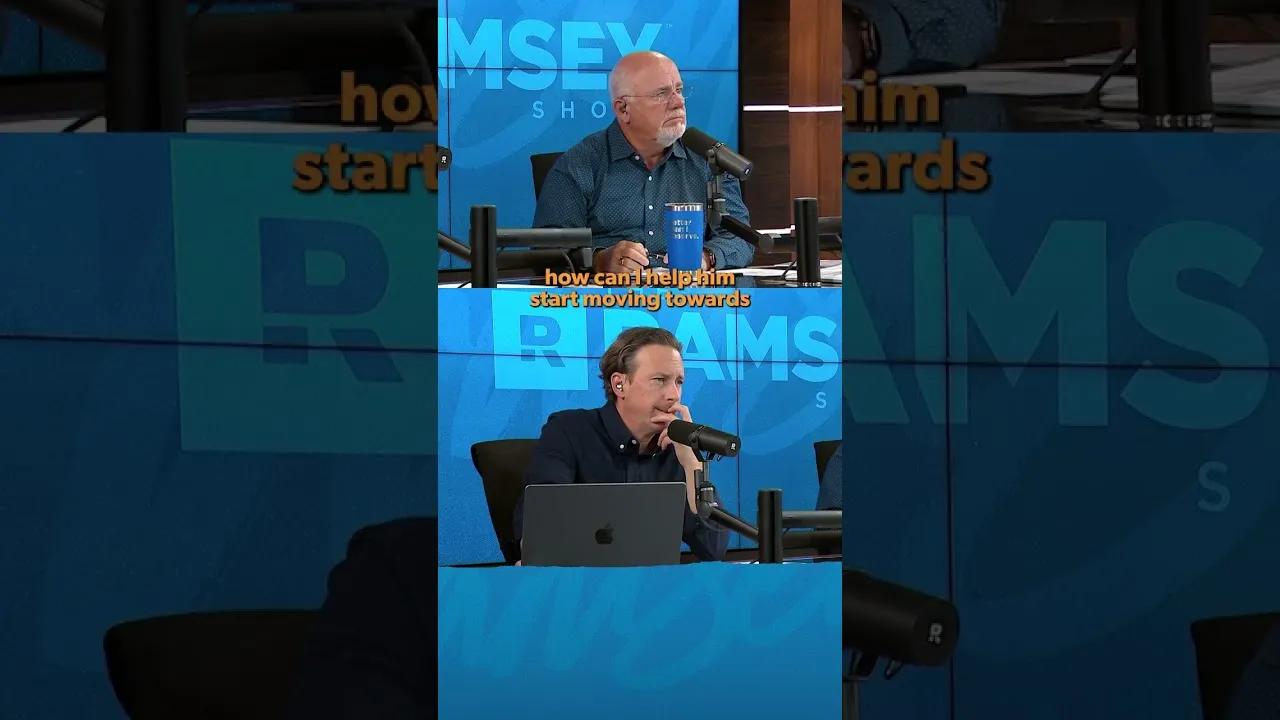
Retirement Shock: $100K Earner Has Just $3,000 Saved
A stark financial reality is emerging for many Americans, as illustrated by the case of a 62-year-old man earning over $100,000 annually who has saved a mere $3,000 for retirement. This situation highlights a critical disconnect between high income and financial preparedness, with mounting expenses and unexpected medical debt erasing potential savings.
The individual, despite a substantial salary, faces significant monthly outlays. His reported expenses hover around $4,000 per month, yet his income is closer to $8,500 to $8,800. This leaves a considerable gap, with a large portion of his earnings seemingly unaccounted for, even to himself.
The Budgeting Breakdown
Financial experts often stress the importance of a detailed budget. For someone in this position, the immediate advice would be to create a written budget and aggressively save cash. The core issue is identifying precisely where the money is going.
When income significantly outpaces spending, but savings remain minimal, a deep dive into expenses is necessary. Understanding each line item, from housing and transportation to discretionary spending and debt repayment, is the first step toward financial control.
Medical Debt’s Heavy Toll
Recent medical debt has been cited as a major factor in depleting this individual’s meager savings. Healthcare costs in the United States can be unpredictable and substantial, often leading to financial strain even for those with good incomes.
This situation highlights the need for adequate health insurance and emergency funds. Unexpected medical bills can quickly consume savings, leaving individuals vulnerable as they approach retirement age.
What Investors Should Know
This scenario is a cautionary tale about the importance of financial planning, regardless of income level. High earners are not immune to financial distress if they fail to manage their spending and save consistently.
The long-term implications are significant. At 62, with minimal savings, the prospect of a comfortable retirement is dim. Options may include working longer, significantly cutting expenses, or relying on social safety nets, none of which are ideal.
The Path Forward
The immediate priority for this individual must be to gain control over his finances. This involves creating a detailed budget to track every dollar spent and identifying areas for cost reduction.
Aggressively saving any available surplus income is crucial. Even small, consistent savings can accumulate over time, though the window for meaningful accumulation is rapidly closing.
Broader Market Context
This personal financial struggle mirrors broader concerns about retirement readiness across the nation. Many Americans are not saving enough, relying heavily on employer-sponsored plans like 401(k)s, which can be subject to market volatility.
The increasing cost of living, including housing and healthcare, further complicates retirement planning. Without disciplined saving and careful expense management, even high incomes may not translate into financial security.
Next Steps
The focus must shift to immediate, actionable steps. The individual needs to confront his spending habits and prioritize saving, even if it means making difficult lifestyle changes.
The conversation about retirement needs to be grounded in current financial reality. Adjusting expectations and developing a concrete plan are essential for navigating the coming years.
Source: His Dad is 62 and Has No Retirement (YouTube)