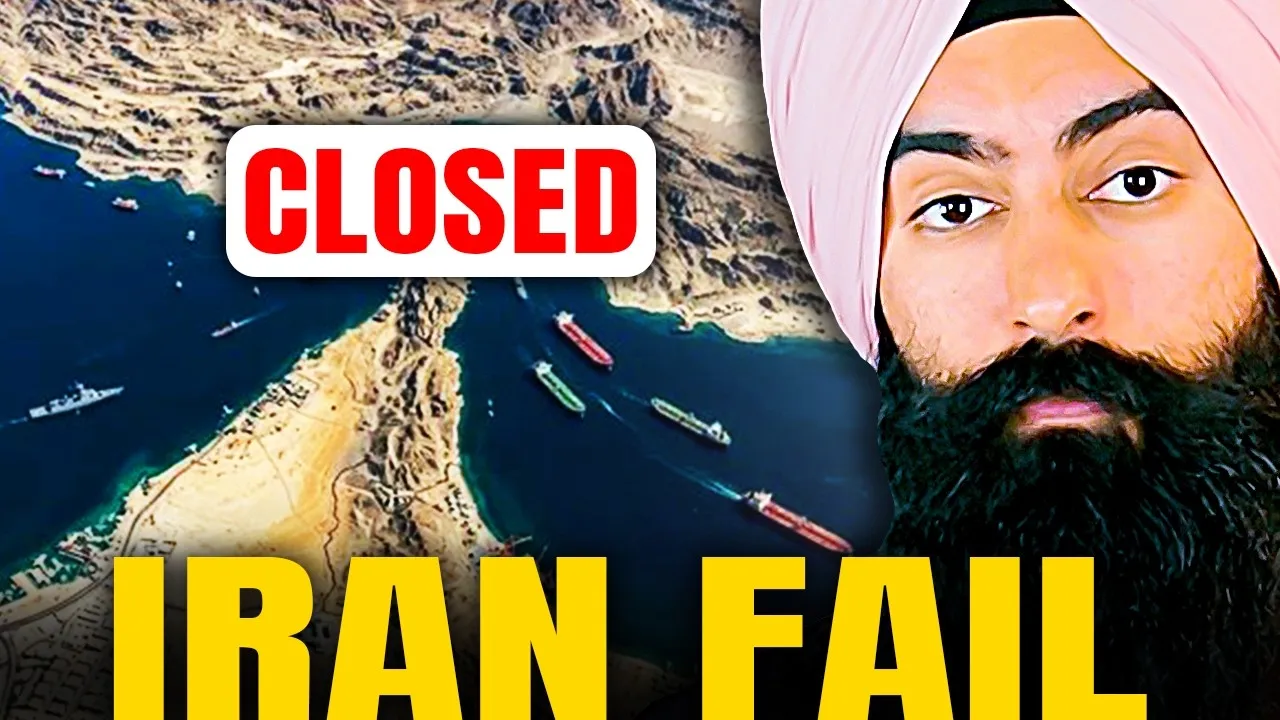
Middle East Tensions Spark Market Jitters as Oil Futures Climb
The fragile peace in the Middle East appears to be shattering, sending shockwaves through global financial markets. Following inconclusive negotiations between the U.S. And Iran, President Trump announced an immediate naval blockade of ships entering or leaving the Strait of Hormuz.
This decisive action has rattled investors, causing stock futures to dip and oil futures to surge. The market’s reaction signals a growing concern that the conflict will escalate, leading to prolonged economic disruption and a significant impact on stock prices.
Echoes of the 1970s: A Familiar Economic Playbook?
The current geopolitical climate and rising oil prices are drawing stark comparisons to the economic turmoil of the early 1970s. Back then, a confluence of factors led to a severe economic downturn. First, President Nixon took the U.S. Dollar off the gold standard in 1971.
This move allowed the Federal Reserve to print more money, leading to increased government spending and a rise in inflation. Second, the 1973 Yom Kippur War erupted in the Middle East, causing a dramatic spike in oil prices.
These two events combined to create a perfect storm. To combat rampant inflation, the Federal Reserve was forced to raise interest rates to extremely high levels. This aggressive monetary policy ultimately triggered a deep recession and a significant stock market crash, with the Dow Jones Industrial Average plummeting by nearly 50%.
Today’s Economic Landscape: Similarities and Stark Differences
The parallels to the 1970s are unsettling. We have already witnessed significant money printing by the Federal Reserve, particularly during the COVID-19 pandemic in 2020.
Extensive government spending on stimulus packages, such as Paycheck Protection Program loans and unemployment benefits, coupled with the Fed’s quantitative easing, has contributed to inflationary pressures. The recent conflict in the Middle East has directly led to a spike in oil prices.
However, a critical difference exists: the United States’ national debt now stands at nearly $40 trillion. This massive debt burden significantly complicates the government’s financial maneuvering. Interest payments on this debt have become the fastest-growing government expense, consuming an ever-larger portion of taxpayer dollars that could otherwise fund public services.
The Debt Dilemma: A Variable Rate Mortgage on a Grand Scale
Unlike a fixed-rate mortgage, much of the U.S. Government’s debt carries variable interest rates. The maturity of these loans has shortened significantly in recent years.
While the government previously held many 10-year and 30-year loans, there is now a greater prevalence of shorter-term, 1-year and 2-year loans. This means that as interest rates fluctuate, the cost of servicing the national debt adjusts much more quickly.
If the Federal Reserve raises interest rates to combat inflation, the cost of this debt will soar. This would divert even more taxpayer money towards interest payments, potentially forcing the government to print more money to cover its obligations, thereby exacerbating inflation.
The Oil-Inflation Nexus: A Global Impact
The Strait of Hormuz is a critical chokepoint for global oil transportation, with a substantial portion of the world’s oil supply passing through it. Iran’s ability to disrupt this flow gives it significant leverage in economic warfare. By making oil transport more difficult, Iran can reduce supply, and with demand remaining high, oil prices inevitably climb.
Higher oil prices have a cascading effect on the broader economy. They directly increase the cost of gasoline, but also drive up prices for groceries, shipping, travel, and manufacturing.
This widespread price increase is a primary driver of inflation. When inflation rises, the Federal Reserve faces a difficult choice: either raise interest rates to cool the economy, risking a recession, or keep rates low to support growth, potentially allowing inflation to spiral.
Stagflation Fears: The Worst of Both Worlds
The specter of stagflation—a period of high inflation combined with a stagnant economy—looms large. This was the painful reality of the 1970s, where rising prices coincided with falling incomes. The Federal Reserve’s response to combat stagflation was to aggressively raise interest rates, which, while eventually taming inflation, inflicted deep economic pain and a severe stock market downturn.
Today, the economy is already grappling with challenges, including the impact of artificial intelligence on the job market and the effects of previous interest rate hikes. If oil prices remain elevated due to the ongoing conflict, inflation will likely worsen. This puts immense pressure on the Federal Reserve to raise interest rates further, potentially triggering another recession and stock market decline.
Market Impact: What Investors Should Know
The current situation presents a complex challenge for investors. Higher interest rates make borrowing more expensive, impacting industries like housing, automotive, and private credit.
Companies that took on significant debt at low interest rates during the pandemic are now facing substantially higher repayment costs as their loans reset at higher variable rates. This increases the risk of defaults and puts pressure on financial institutions.
Conversely, prolonged high oil prices benefit oil companies and their shareholders. However, for the average consumer, the increased cost of goods and services due to inflation erodes purchasing power. The gap between wage growth and inflation has widened, meaning that even with nominal income increases, many households are falling behind financially.
Long-Term Implications: Navigating Volatility
History shows that economic downturns and market crashes, while painful, also create opportunities. Recessions and market corrections have historically led to wealth creation for those who can invest strategically during periods of decline. The key for long-term investors is to view market downturns not as a cause for panic, but as a chance to acquire quality assets at discounted prices.
Understanding the interconnectedness of the economy is crucial. A shock in one sector, like oil prices, can ripple through various industries, affecting consumer spending, corporate profits, and ultimately, market valuations. The current geopolitical tensions and their economic consequences highlight the importance of staying informed and adopting a long-term investment perspective, focusing on resilience and strategic allocation rather than short-term market fluctuations.
Source: Trump Just Declared War on Oil — Here's What It Means for Your Money (YouTube)