Rely on Doctors, Not Clicks, for Health Answers
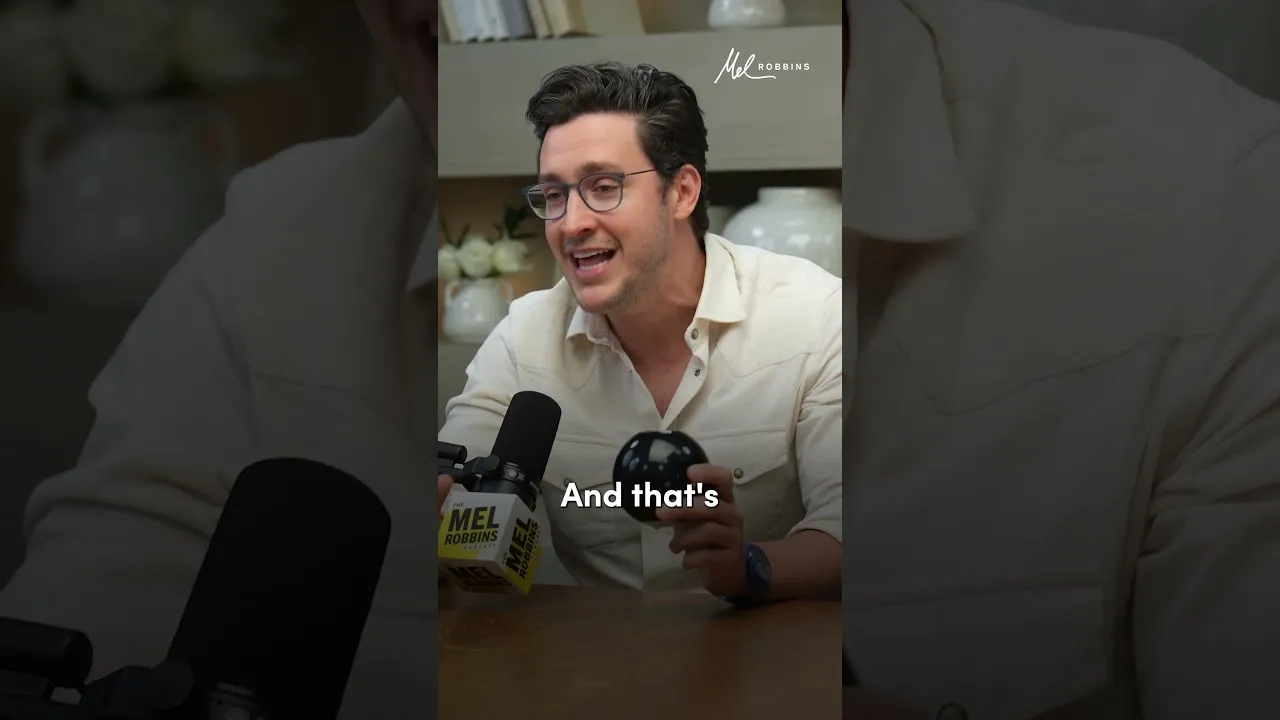
Searching for health information online can feel like a gamble, often leading to confusing and even harmful advice. Dr. Mike, a physician and popular online personality, warns that relying on internet searches for diagnoses is like shaking a magic eight-ball. The answers you get can change based on who is providing the information and what their motives might be.
Unlike a true magic eight-ball which offers random outcomes, online health information can be manipulated. Algorithms and targeted advertising can steer you toward content designed to make someone else money, rather than provide accurate medical guidance. This means the information you see might be biased, incomplete, or outright false.
This practice is especially concerning when it comes to medical advice. Dr. Mike emphasizes that while innovation in medicine is crucial for developing new treatments and cures, it must be presented with full transparency. Patients deserve complete information to make informed decisions about their health.
The issue isn’t about people making money from health products or services. It’s about the way that information is presented. When creators hide crucial details or offer only partial truths to boost profits, it undermines genuine informed consent.
True informed consent means a patient understands all the potential benefits, risks, and alternatives before agreeing to a treatment or procedure. This requires clear, honest, and complete information from trusted sources. Relying on potentially biased online content can prevent patients from receiving this essential understanding.
Dr. Mike advocates for medical professionals and innovators to prioritize patient well-being. He believes in supporting the development of new medications and surgical techniques that can save lives. However, he stresses that these advancements should always be recommended with full disclosure.
The goal is to empower individuals to make choices based on good, reliable information. This means seeking advice from qualified healthcare providers who can offer personalized guidance. They can explain complex medical conditions and treatments in a way that is easy to understand.
Who Should Pay Attention?
Anyone who uses the internet to look up health symptoms or conditions should be cautious. This advice is particularly relevant for individuals who may be vulnerable or have less medical knowledge. It’s also important for those who are considering new treatments or therapies based on online research.
The internet is a powerful tool, but it’s not a substitute for professional medical advice. Be critical of the information you find online. Always cross-reference information with reputable medical sources and discuss your concerns with your doctor.
Key Health Takeaways
- Online health searches can be unreliable and even misleading due to algorithms and targeted content.
- Information found online may be manipulated to serve the financial interests of content creators, not your health.
- True informed consent requires complete and honest medical information, which is often lacking online.
- Always prioritize seeking health advice from qualified healthcare professionals like your doctor.
- New medical innovations are important, but they must be presented with full transparency and understanding for patients.
This article is for informational purposes only and does not constitute medical advice. Always consult with a qualified healthcare provider for any health concerns or before making any decisions related to your health or treatment.
Source: Doctor Mike: You can't trust what you see about your health online | Mel Robbins #Shorts (YouTube)