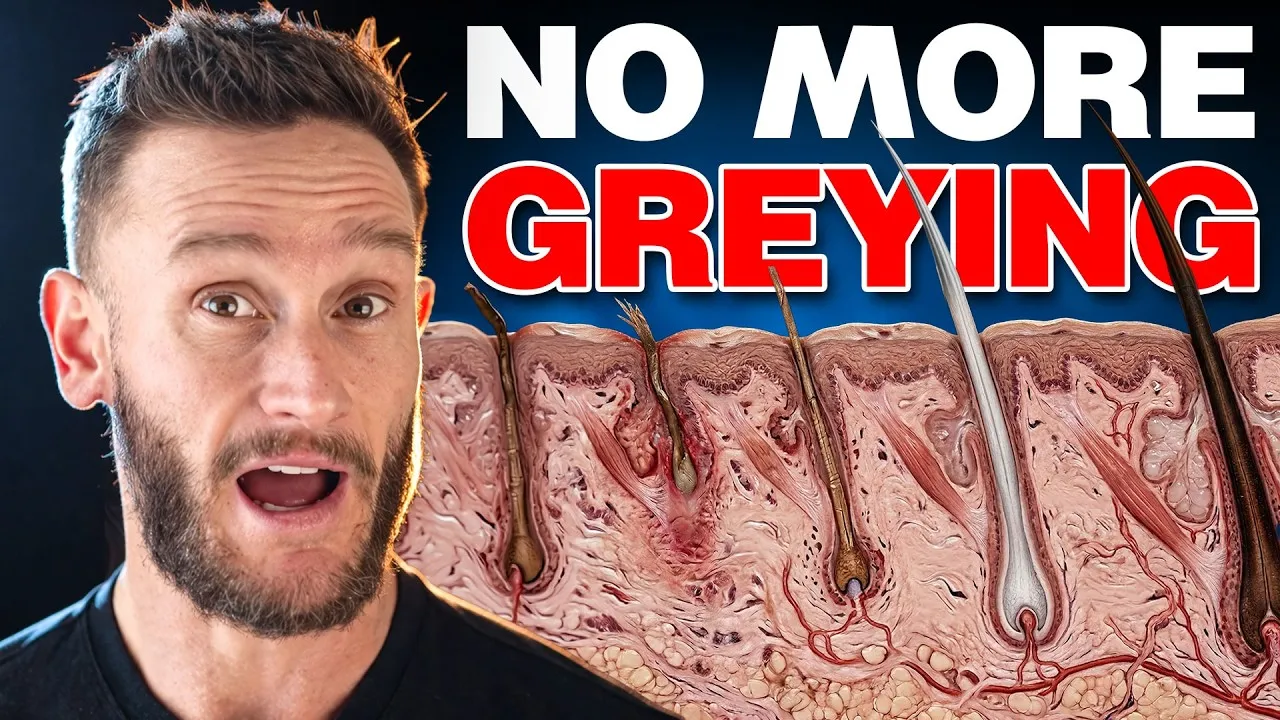
Hair Graying: Unpacking the Science Beyond Aging
Your hair turning gray isn’t simply a sign of getting older. Instead, it’s a complex biological process driven by changes within your hair follicles.
These changes create an environment too harsh for pigment-producing cells to survive. This internal stress leads to a shutdown of pigment production, often without people realizing the underlying causes.
Scientists are uncovering that this process involves oxidative stress, stem cell exhaustion, and mitochondrial energy failure. Understanding these factors can offer insights into why hair grays and, in some cases, how to potentially slow or even reverse the process. The good news is that some aspects of this system can show remarkable resilience and even partial recovery under the right conditions.
The Role of Oxidative Stress and Hydrogen Peroxide
At the root of your hair, follicles are active, metabolically driven structures. Within these follicles are melanocytes, the cells responsible for creating hair color. When we experience chronic stress or other factors that increase reactive oxygen species, a condition known as oxidative stress occurs.
This stress causes hydrogen peroxide to build up inside hair follicles. Research published in the International Journal of Trichology found significantly higher levels of hydrogen peroxide and oxidative stress in gray hair follicles compared to pigmented ones. Simultaneously, the body’s natural defenses against this stress, like the antioxidant enzyme catalase, become less active.
A Double Hit Against Pigment Production
This creates a challenging situation where more damaging compounds are present, and the body’s ability to neutralize them decreases. As a result, the enzymes responsible for pigment production, such as tyrosinase, become inhibited. The machinery to make color is still there, but the hostile environment prevents it from functioning effectively.
Imagine trying to operate delicate electronics in a room filled with rain and static; eventually, the system will fail. This is similar to what happens in the hair follicle, leading to a shutdown of pigment production due to an overly stressful internal environment.
Supporting Your Follicles: Reducing Stress and Boosting Defenses
To combat this, the focus shifts to practical steps that support the follicle’s environment. Research in Communications Biology highlights that human melanocytes become more resilient to damage when their antioxidant defense systems are supported. This involves two key areas: reducing sources of unnecessary oxidative stress and strengthening the body’s own antioxidant systems.
Reducing stress includes prioritizing good sleep, staying hydrated, and avoiding smoking. Even simple actions like moving for a few minutes every 20 minutes can significantly reduce oxidative stress. Supporting antioxidant defenses can involve ensuring adequate intake of nutrients like Vitamin C, Vitamin E, selenium, zinc, and magnesium, which act as co-factors for these systems.
Melanocyte Stem Cell Exhaustion: The Depleting Reserve
Hair pigment isn’t just produced by existing cells; it relies on a reserve pool of melanocyte stem cells. These stem cells normally remain dormant within a specific niche in the follicle until needed for each hair cycle. However, oxidative or inflammatory stress can disrupt this system.
Studies show that under stressful conditions, these stem cells may activate too early or even leave their protective niche. When this reserve pool is depleted, new hair grows with less pigment. This means graying isn’t just about losing pigment but also losing the ability to replenish it over time.
Preserving Pigmentation: Protecting the Stem Cell Niche
Research in Applied Sciences explored whether protecting the follicle environment could help preserve and restore pigmentation. In studies using human hair follicles and a clinical trial with men experiencing gray hair, a polyphenol-based antioxidant blend was applied. After four months, a significant reduction in gray hairs was observed.
This improvement occurred because the follicle environment became more protective, allowing the melanocyte stem cell reservoirs to function properly again. The key takeaway is that reducing oxidative stress and protecting the stem cell niche are crucial for maintaining pigment production.
Mitochondrial Dysfunction: The Energy Crisis in Your Follicles
Deeper still, mitochondrial health plays a critical role. Mitochondria are the powerhouses of our cells, generating the energy (ATP) needed for all cellular functions, including pigment production and antioxidant defenses. When mitochondria don’t function well, antioxidant capabilities decrease, and oxidative stress levels rise.
Pigment production is highly energy-dependent, requiring ATP to maintain stem cells, power melanocytes, and protect the follicle. A study in Cell Regeneration showed that impaired mitochondrial DNA maintenance in melanocyte cells led to increased reactive oxygen species (ROS), stem cell exhaustion, and premature hair graying.
Boosting Mitochondrial Health for Hair Color
Mitochondrial health is foundational to preventing gray hair, impacting everything from stem cell function to pigment production. Supporting mitochondrial function can involve ensuring adequate levels of NAD, a molecule crucial for energy production. Supplements like Nicotinamide Riboside (NR) or Nicotinamide Mononucleotide (NMN) are precursors to NAD.
Creatine, often known for muscle building, also plays a role in cellular energy production by increasing ATP availability. Some research suggests that creatine supplementation could support mitochondria, potentially leading to better oxidative stress management and pigment production. Exploring options like mitochondrial peptides with a doctor may also be beneficial.
Stress, Graying, and the Potential for Reversal
For decades, hair graying was considered irreversible. However, research published in eLife challenges this notion by analyzing human hairs and correlating pigment changes with stress timelines. The study found that some hairs regained pigment during periods of reduced psychological stress.
Conversely, acute stress correlated with segments of sudden graying. This indicates that hair pigmentation is responsive to stress, capable of switching off when overwhelmed and potentially switching back on during recovery. While not every follicle or person will experience reversal, this suggests the system has more adaptability than previously thought.
Practical Steps to Slow Graying
Bringing it all together, slowing hair graying involves a multi-pronged approach. Reducing oxidative load is paramount, with quality sleep being the most significant factor. Consistent hydration, avoiding smoking, and incorporating adequate recovery after exercise are also vital.
Supporting antioxidant defenses with nutrients like Vitamin C, selenium, and zinc is important. N-acetylcysteine (NAC) can help boost glutathione, a key antioxidant for melanocytes. Protecting mitochondrial energy production through NAD precursors or creatine may also be beneficial.
Supporting the Follicle Environment and Managing Stress
Lowering chronic inflammation and protecting the follicle microenvironment are crucial. This can involve consuming anti-inflammatory compounds found in foods like broccoli sprouts (rich in sulforaphane) or moringa. Managing physiological stress through practices like breathwork, regulated light exposure, and adequate sleep can shift cellular signaling towards repair and resilience.
Specific supplements like L-theanine and glycine may help reset circadian cues and improve sleep quality, further supporting the machinery that keeps hair pigmented. These strategies collectively aim to create a healthier internal environment for your hair follicles, potentially slowing the graying process.
Key Health Takeaways
- Hair graying is driven by oxidative stress, stem cell exhaustion, and mitochondrial dysfunction, not just age.
- Hydrogen peroxide buildup and reduced antioxidant defenses contribute to pigment loss in hair follicles.
- Reducing overall stress, prioritizing sleep, and staying hydrated are crucial for mitigating oxidative stress.
- Supporting antioxidant systems with nutrients like Vitamin C, selenium, and zinc can help protect melanocytes.
- Mitochondrial health is vital, and interventions that boost cellular energy may support pigment production.
- Hair pigmentation can be stress-responsive, with periods of reduced stress potentially allowing for pigment recovery.
- A holistic approach combining lifestyle changes, targeted nutrition, and stress management can help slow hair graying.
Disclaimer
This article is for informational purposes only and does not constitute medical advice. Always consult with a qualified healthcare professional before making any decisions related to your health or treatment. The information provided here is not intended to diagnose, treat, cure, or prevent any disease.
Source: Hair Doesn't Turn Grey Because You Age, It's Because of THIS (YouTube)