Feeling Tired But Wired? You Might Be Stuck in a Stress Loop
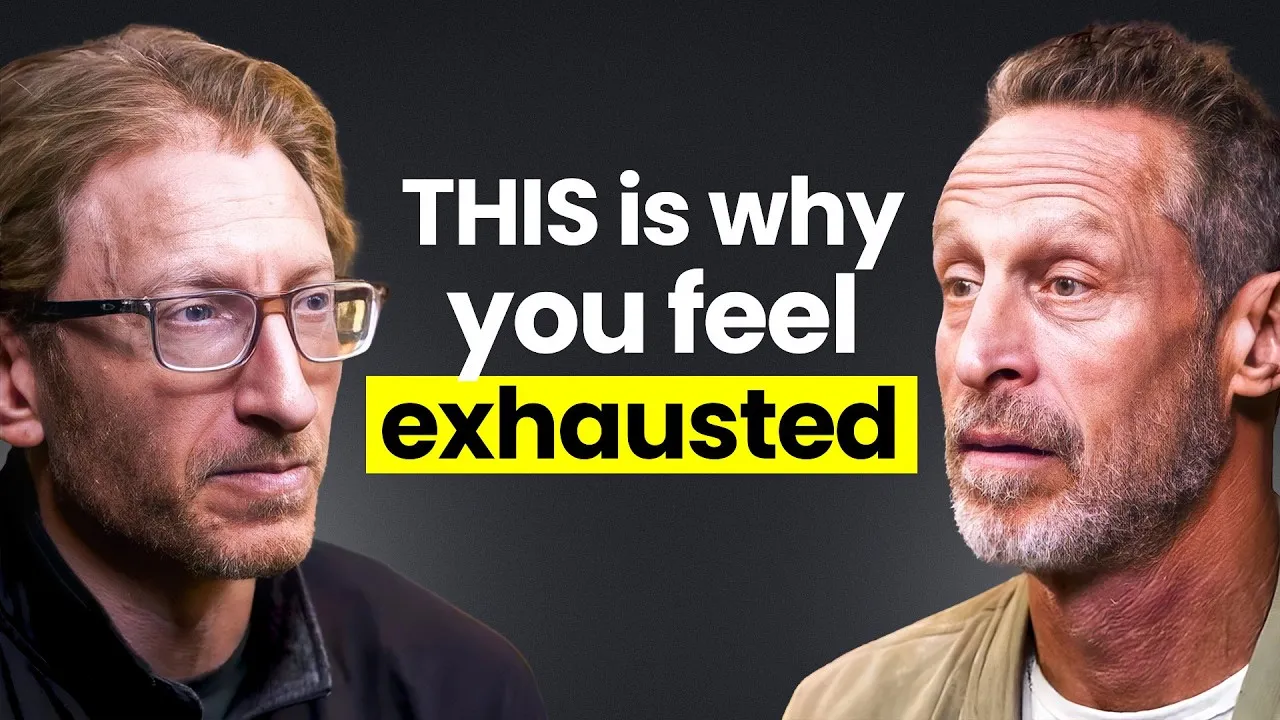
Many people today feel exhausted, anxious, and unable to recover, even when they follow healthy habits like eating well and exercising. This state, described as the “sympathetic spiral of doom,” is a cycle where your body’s stress response and cellular energy production become stuck in overdrive. Understanding this pattern, explained by Dr. Scott Scher, a physician specializing in health optimization, can help you reclaim your energy and resilience.
What is the Sympathetic Spiral of Doom?
Dr. Scher explains that this isn’t a formal diagnosis but rather a common pattern of dysfunction. It involves two key elements: sympathetic activation and mitochondrial dysfunction. The sympathetic nervous system is your body’s “fight or flight” response, preparing you to react to threats. Mitochondria are the powerhouses within your cells, responsible for creating energy. When these two systems are constantly activated and overworked, they create a damaging loop.
Understanding the Key Players
- Sympathetic Nervous System: This is part of your autonomic nervous system, responsible for kicking your body into high gear during stress. Think of it as the system that makes you ready to run from danger. In modern life, this system can be constantly triggered by work deadlines, relationship stress, or even constant phone notifications, rather than a real saber-toothed tiger.
- Mitochondria: These tiny power generators inside your cells are crucial for making the energy (ATP) your body needs to function. While we learn in school that cells have a few mitochondria, some cells, especially in the brain, heart, and liver, have thousands. They are vital for everything from thinking to detoxification.
How the Stress Loop Forms
The sympathetic spiral can start in two ways, often a combination of both: “bottom-up” or “top-down.”
- Bottom-Up Stress: This begins with direct stress on your mitochondria. This can come from environmental factors like toxins, infections (including long COVID or tick-borne illnesses), mold exposure, or even certain medications that can impair mitochondrial function. An unhealthy diet, especially processed foods, also stresses your mitochondria. When mitochondria are stressed, they can’t produce energy efficiently.
- Top-Down Stress: This starts with psychological or emotional stress. It can be anything from demanding jobs and difficult relationships to trauma from the past or constant exposure to negative news and social media. Our brains are wired to react to perceived threats, and modern life provides many of them, keeping the sympathetic nervous system on high alert.
When your sympathetic nervous system is constantly activated, it leads to the release of stress hormones like cortisol. High cortisol levels signal your mitochondria to produce more energy, even when they are already struggling. This creates a vicious cycle: stress hormones tell mitochondria to work harder, but the stress itself damages the mitochondria, making them less able to produce energy. This can lead to a state called the “cell danger response,” where cells try to protect themselves by shutting down energy production, making you feel exhausted.
Recognizing the Symptoms
If you’re caught in this spiral, you might experience several common symptoms:
- Tired but wired: Feeling exhausted yet unable to relax or sleep soundly.
- Poor recovery: Taking a long time to bounce back from physical activity, lack of sleep, or minor stressors.
- Mood swings: Experiencing significant shifts in mood throughout the day.
- Fluctuating energy levels: Relying on caffeine or stimulants to get through the day, with energy levels dropping sharply.
- Feeling overwhelmed: Small challenges that were once manageable now feel impossible.
- General malaise: Simply not feeling like yourself, with a lack of vitality.
Dr. Scher notes that this pattern is becoming more common and can start showing up at younger ages due to increased exposure to environmental toxins and chronic stress.
Breaking the Cycle
The good news is that you can take steps to get out of this sympathetic spiral. The goal is to calm your nervous system and support your mitochondria’s ability to produce energy effectively. This involves a multi-faceted approach that addresses both top-down and bottom-up stressors.
- Calm the Nervous System: While deep breathing or meditation might feel difficult when you’re in overdrive, finding ways to activate your parasympathetic nervous system (the “rest and digest” system) is crucial. This could include gentle movement, spending time in nature, or mindful activities.
- Support Mitochondrial Health: This involves reducing exposure to toxins, addressing underlying infections, and ensuring you have adequate nutrients. A balanced diet rich in antioxidants and essential vitamins and minerals is key.
- Manage Stressors: Identifying and reducing sources of psychological and emotional stress is vital. This might involve setting boundaries, seeking support, or addressing past trauma with professional help.
- Optimize Diet: Focusing on whole, unprocessed foods can significantly reduce the metabolic stress on your body and provide the building blocks your mitochondria need.
Dr. Scher emphasizes that getting out of this loop requires a systematic approach, rather than trying to “meditate your way out” of physiological stress. By understanding the connection between your stress response and your cellular energy, you can begin to heal and restore your vitality.
Key Health Takeaways
- Feeling constantly exhausted yet wired is a common pattern called the “sympathetic spiral of doom.”
- This spiral involves an overactive “fight or flight” stress response and damaged cellular energy producers (mitochondria).
- Stress can come from both external factors (toxins, infections) and internal ones (psychological stress, trauma).
- Symptoms include poor recovery, mood swings, fluctuating energy, and a general feeling of being unwell.
- Breaking the cycle involves calming the nervous system, supporting mitochondrial function, and reducing overall stress.
Disclaimer: This article is for informational purposes only and does not constitute medical advice. Always consult with a qualified healthcare provider for any health concerns or before making any decisions related to your health or treatment.
Source: Tired But Wired? You're Stuck in THIS Loop (YouTube)