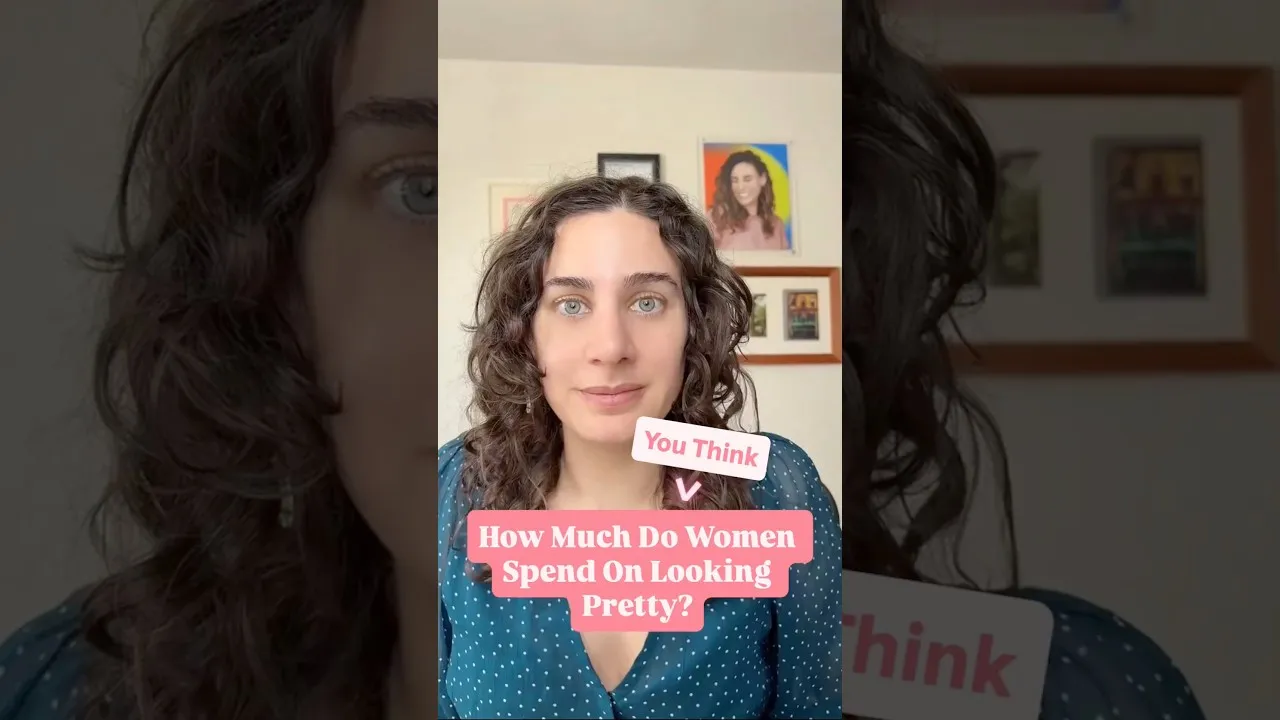
Women Spend Thousands Annually on Beauty Standards
American women are spending a significant amount of money each year to meet societal beauty standards. This spending covers a wide range of services and products, from hair and nail appointments to gym memberships and makeup. The total cost can add up quickly, impacting personal finances for many.
Data reveals that younger generations tend to spend more on these beauty-related expenses. A study by Lending Tree showed that Gen Z individuals spend an average of $2,670 annually on beauty treatments. Millennials are not far behind, with an average yearly spend of $2,408 on similar services and products.
This trend suggests a continued adherence to conventional beauty ideals, particularly among younger demographics. While some may hope that aging leads to a rejection of these standards, the numbers indicate otherwise. The financial commitment to appearance remains high across different age groups.
The financial pressure to conform to beauty standards is not uniform. Women who deviate from Eurocentric beauty ideals often face higher costs to alter their appearance. This means individuals may spend more money to align with prevailing beauty norms.
These beauty standards can intersect with economic outcomes. Studies indicate that heavier women tend to earn less than their thinner counterparts. Similarly, white women often earn more than Latina women, highlighting a disparity linked to appearance and ethnicity in the workplace.
The financial strain is substantial for a considerable portion of the population. One in six Americans confessed to spending more on beauty products and treatments than they can realistically afford. This often leads individuals to incur debt simply to meet these appearance-related expectations.
Market Impact
The beauty industry, encompassing everything from cosmetics and skincare to salon services and wellness, represents a massive consumer market. Companies that cater to these beauty needs often see consistent demand, driven by the ongoing desire among consumers to maintain or enhance their appearance.
This persistent spending highlights the resilience of the beauty sector. Even during economic downturns, consumers may prioritize beauty expenditures, viewing them as essential rather than discretionary. This can provide a stable revenue stream for businesses within this space.
The data also points to potential growth areas within the beauty market. Services catering to specific aesthetic goals, such as professional makeup application, advanced skincare treatments, and personalized beauty consultations, may see increased demand as consumers seek to achieve particular looks.
What Investors Should Know
For investors, the consistent spending on beauty suggests opportunities in companies that understand and cater to these consumer desires. This includes not only direct beauty product manufacturers but also service providers like salons and spas, as well as related wellness industries like fitness and aesthetic medicine.
The willingness of consumers, particularly younger ones, to spend significant amounts on appearance indicates a strong market for innovation in beauty technology and treatments. Companies offering effective, trend-driven, or personalized solutions are likely to capture consumer interest and spending.
However, investors should also be aware of the societal pressures driving this spending. The financial burden and debt incurred by some consumers highlight a potential risk. Market trends could shift if there is a broader societal move away from strict beauty standards or if economic conditions make such spending less feasible for a larger segment of the population.
The beauty industry is expected to continue its growth trajectory, fueled by these consumer habits. Understanding the motivations behind beauty spending, including both personal desire and societal pressure, is key to identifying long-term investment potential within this sector.
Source: Looking Pretty $$$ (YouTube)