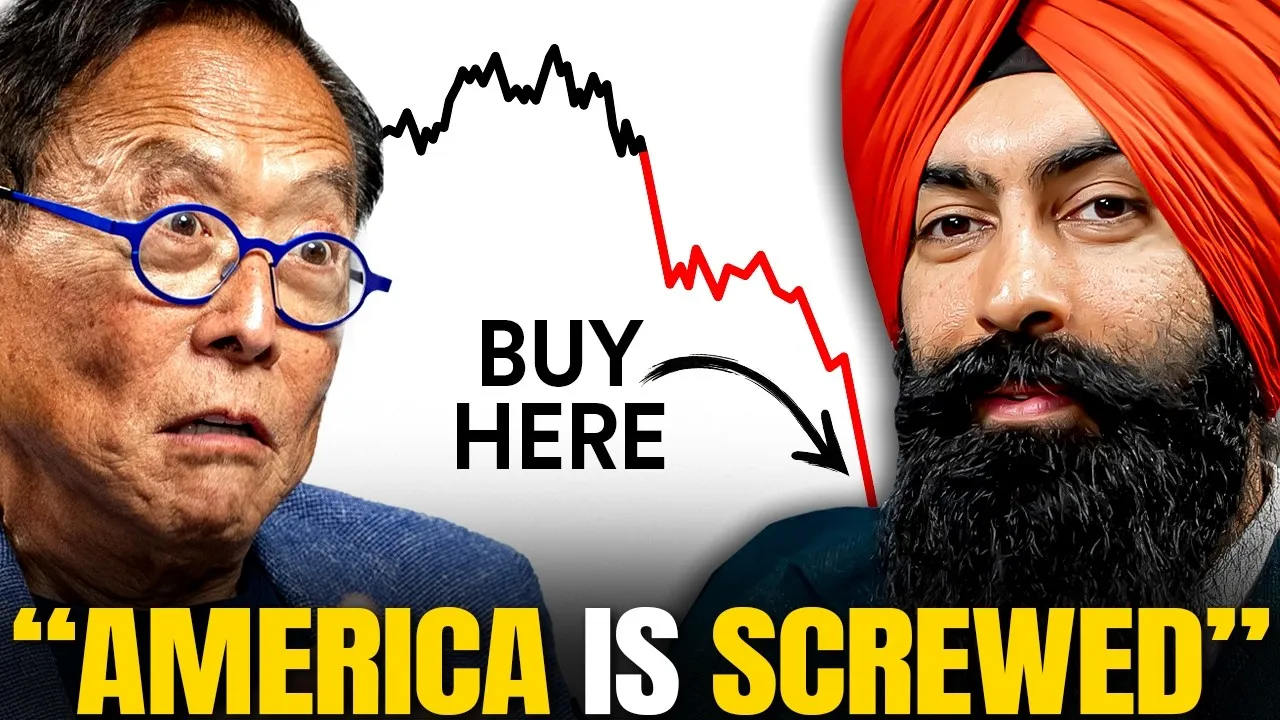
US Economy Teeters as Debt Mounts and Dollar’s Future Questioned
Concerns are mounting over the long-term stability of the U.S. economy, with some experts predicting the potential end of the American Empire by 2026 due to staggering national debt. The sheer scale of the debt is difficult to comprehend; spending one dollar every minute would take over 32,500 years to spend a trillion dollars. This escalating debt, coupled with continuous money printing, has raised questions about the dollar’s future and its backing.
The possibility of the U.S. returning to a gold standard is widely dismissed. Experts believe the point of no return has been passed, suggesting the current financial system is nearing its end. This outlook is fueled by historical parallels and a growing distrust in government financial management.
Historical Echoes and the Petro-Dollar’s Influence
The year 1974 is highlighted as a critical turning point. It marked the implementation of the Employee Retirement Income Security Act (ERISA), which introduced 401(k)s, and also saw the dollar become the petro-dollar, meaning it was backed by oil. This shift tied the dollar’s value closely to global oil prices.
Today, with geopolitical tensions in regions like Hormuz and rising oil prices, the legacy of the petro-dollar continues to influence the economy. This historical context is crucial for understanding current economic trends and potential future challenges.
Baby Boomers Confronting a Retirement Crisis
A significant concern is the looming retirement crisis for the Baby Boomer generation. Born between 1946 and 1964, this generation is the first in U.S. history without widespread defined benefit pension plans. This means their retirement security largely rests on personal savings and investments, particularly their 401(k) accounts.
With the average 401(k) balance falling short of what’s needed for a comfortable retirement, especially with rising inflation and debt, many Boomers face financial hardship. The fear is that a significant stock market downturn could leave this generation with insufficient funds, potentially leading to widespread homelessness.
The 401(k) Dilemma and Investment Philosophy
The 401(k) system, introduced in 1974, is viewed with skepticism by some due to a lack of direct control over investments. The argument is that relying solely on the stock market for retirement leaves individuals vulnerable to market fluctuations.
An alternative investment philosophy emphasizes investing in what you know and understand deeply. This could involve tangible assets or businesses with predictable cash flow, such as owning oil wells or even raising chickens, as illustrated by one individual who built a massive egg-selling business by reinvesting profits.
AI’s Disruptive Potential and Job Market Fears
The rise of Artificial Intelligence (AI) presents another layer of economic uncertainty. While some see AI as a driver of future growth, others fear widespread job displacement across various sectors, including white-collar professions like doctors and lawyers.
Examples like autonomous vehicles (e.g., Waymo) replacing human drivers highlight the immediate impact AI could have on employment. This disruption raises concerns about future job prospects, particularly for younger generations and those with significant student loan debt.
What Investors Should Know
- National Debt: The U.S. faces a critical challenge with its escalating national debt, which could impact the dollar’s value and economic stability.
- Petro-Dollar Legacy: The historical link between the dollar and oil prices continues to be relevant, influencing inflation and the cost of goods.
- Retirement Security: Baby Boomers are particularly vulnerable to a market downturn due to the lack of traditional pensions and reliance on 401(k)s.
- Investment Education: Understanding personal finance and investing principles is crucial for navigating economic uncertainty and building wealth.
- AI Impact: The rapid advancement of AI is expected to reshape the job market, potentially leading to significant job losses in various industries.
Navigating Economic Uncertainty: Financial Education is Key
In times of economic flux, financial education is presented as the most critical tool for individual success. Understanding how money works, the principles of capitalism, and the mechanics of taxation can empower individuals to build wealth, even amidst market turmoil.
The concept of tax advantages through investments like real estate depreciation or oil drilling is highlighted as a legitimate strategy within the existing capitalist framework. This contrasts with calls for wealth taxes, which are argued to drive away investment and talent, as seen in examples like California.
Historical Precedents and the Call for Proactive Learning
History offers numerous examples of economic instability, currency devaluation, and market crashes. The Weimar Republic’s hyperinflation and the post-WWI reparations serve as stark warnings about the consequences of unchecked money printing and debt.
Experts urge individuals to study history and financial principles to avoid repeating past mistakes. The message is clear: proactive financial education is not just beneficial but essential for survival and prosperity in the current economic climate.
Building Wealth: Beyond Traditional Paths
For younger generations looking to build wealth, the advice leans towards understanding and investing in tangible assets or industries with long-term potential, such as oil or even cryptocurrencies like Bitcoin and Ethereum, provided they were acquired at favorable prices.
The emphasis is on acquiring assets that can generate income or appreciate in value, while also understanding the tax implications and benefits associated with such investments. The core principle remains to invest in what you study and understand, rather than relying on speculative markets without knowledge.
The Importance of a Strong Financial Foundation
The conversation highlights the need for individuals to be proactive about their financial future. The traditional path of working until retirement age may no longer be sufficient, especially with economic uncertainties and the increasing cost of living.
Developing financial literacy and adopting smart investment strategies are crucial steps. This includes understanding market dynamics, the role of debt, and the potential impact of technological advancements like AI on the economy and job market.
“It doesn’t make a difference what happens, but if your financial education is solid, you’ll still get rich.”
Looking Ahead: A Call for Vigilance
The current economic environment presents significant challenges, from massive national debt to the transformative potential of AI. Understanding these factors and arming oneself with financial knowledge is paramount.
The upcoming years will likely test the resilience of the U.S. economy and individual financial plans. Staying informed and adaptable will be key to navigating the evolving financial landscape.
Source: How To Make Millions In The Upcoming Market Crash | Robert Kiyosaki & Jaspreet Singh (YouTube)