Build Strength and Boost Health: The Power of 25 Daily Push-Ups
You might think getting stronger requires a gym, lots of time, and a complex plan. However, a simple habit of doing 25 push-ups twice a day can lead to significant changes in your body. This quick routine, taking only about 90 seconds each time, requires no special equipment and can be done anywhere.
How Push-Ups Build Muscle
When you perform a push-up, you create tension and pressure on your muscle fibers. This mechanical stress signals a pathway called mTor, which is crucial for muscle protein synthesis. This process is how your body builds new muscle tissue.
Doing 25 push-ups is often considered a “sweet spot” because it’s enough to activate this muscle-building pathway without causing excessive muscle breakdown. This means you don’t need long recovery periods, unlike intense weightlifting sessions that might require 48 to 72 hours to recover.
The signal to build muscle from this moderate challenge can remain active for about 24 to 48 hours. By performing push-ups twice a day, you can keep this muscle-building process consistently engaged.
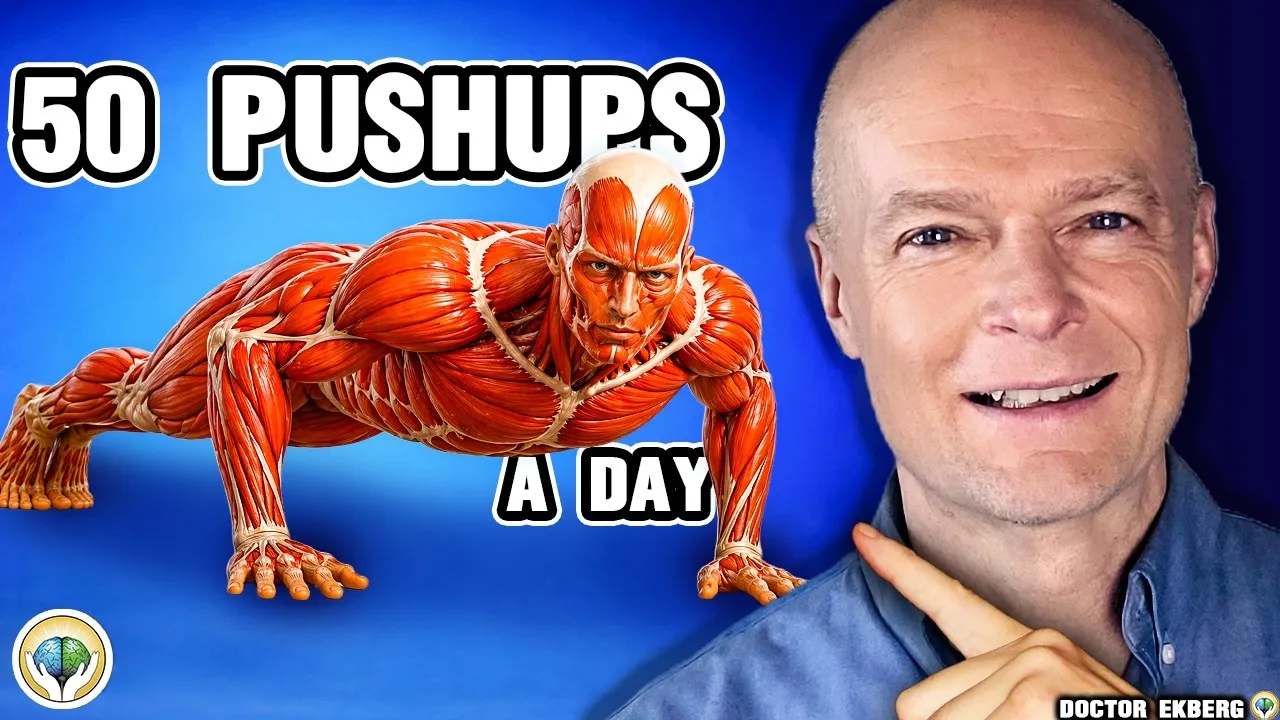
While a push-up seems simple, it actually activates around 20 different muscles. These include major muscles like your chest (pectorals), arms (triceps), and shoulders (deltoids), but also many smaller stabilizing muscles throughout your core, back, hips, and even legs.
Push-Ups and Heart Health
Performing exercises that build muscular endurance, like doing 25 push-ups, can be a good indicator of your cardiovascular health. Research suggests a strong link between the ability to do push-ups and a reduced risk of heart problems.
A 2019 study from Harvard found that men who could perform 40 push-ups had a significantly lower risk of heart attack compared to those who could do fewer than 10. This benefit goes beyond just having a stronger upper body; it reflects overall better health.
The reason push-ups benefit your heart is that your muscles need more blood flow during exercise. This increases your heart’s workload, prompting it to adapt over time.
Your heart can become stronger and increase its stroke volume, which is the amount of blood it pumps with each beat. Regularly challenging your heart in this way can lead to better cardiovascular efficiency.
Impact on Blood Sugar
Muscles play a key role in managing blood sugar levels. Normally, your cells need insulin to take in glucose (sugar) from your bloodstream. When you eat, glucose levels rise, and insulin helps move this glucose into your cells for energy.
However, exercise offers another way to help your muscles absorb glucose, independently of insulin. This process involves special transporters called GLUT4, which move to the cell surface to allow glucose in.
When you exercise, even with a short routine like push-ups, you activate these GLUT4 transporters. This means that moving your body after a meal can help lower blood sugar spikes.
While it’s true that intense exercise right after eating might divert blood flow from digestion, a short burst of activity like 25 push-ups is unlikely to cause problems. It requires a manageable amount of blood, and your heart can increase its output slightly to support both digestion and exercise.
Brain Benefits and Hormonal Balance
Engaging in a moderately intense activity like push-ups can also benefit your brain and hormone levels. Exercise increases levels of brain-derived neurotrophic factor (BDNF), a protein that acts like “miracle growth” for your brain.
Higher BDNF levels are linked to improved focus, better mood, and enhanced neuroplasticity—your brain’s ability to adapt and learn. Doing push-ups can also help channel your body’s natural morning cortisol response into productive activity, preventing it from becoming a source of chronic stress.
Performing push-ups in the morning or evening can also influence other hormones. An evening routine may slightly boost testosterone and human growth hormone, potentially aiding in better sleep preparation. Overall, this simple exercise routine offers a dual benefit: it provides physical activity while also giving your brain a boost, helping you feel more alert and focused.
Not Strong Enough? Start Where You Are
If you can’t currently do 25 push-ups, don’t let that stop you. You can modify the exercise to fit your current strength level. Try doing fewer repetitions per set, or start with knee push-ups or incline push-ups against a wall or sturdy surface.
The key is to begin with what you can manage and gradually increase the difficulty as you get stronger. Consistency is more important than immediate perfection.
Over time, you’ll notice improvements. In the first few weeks, you’ll likely feel stronger as your brain becomes better at signaling your muscles. By month two, you may start seeing subtle muscle growth and improved cardiovascular efficiency.
After three months, these changes can become more noticeable, leading to improved body composition, better posture, and more stable energy levels throughout the day. Committing to this habit for 90 days means completing around 4,500 push-ups, a significant achievement with lasting benefits.
Key Health Takeaways
- Doing 25 push-ups twice daily can stimulate muscle growth and improve strength.
- This routine is a good indicator of cardiovascular health and may reduce heart attack risk.
- Exercise, including push-ups, helps muscles use glucose, aiding in blood sugar control.
- Push-ups can boost brain function by increasing BDNF, improving focus and mood.
- Modify push-ups to your current fitness level by doing fewer reps or using easier variations.
This information is for general knowledge and informational purposes only, and does not constitute medical advice. It is essential to consult with your doctor or a qualified healthcare professional before making any major changes to your diet or exercise routine, especially if you have any pre-existing health conditions.
Start incorporating this simple yet powerful exercise into your daily routine and experience the benefits for yourself.
Source: This Happens When You Do 25 Push-Ups Twice A Day (YouTube)