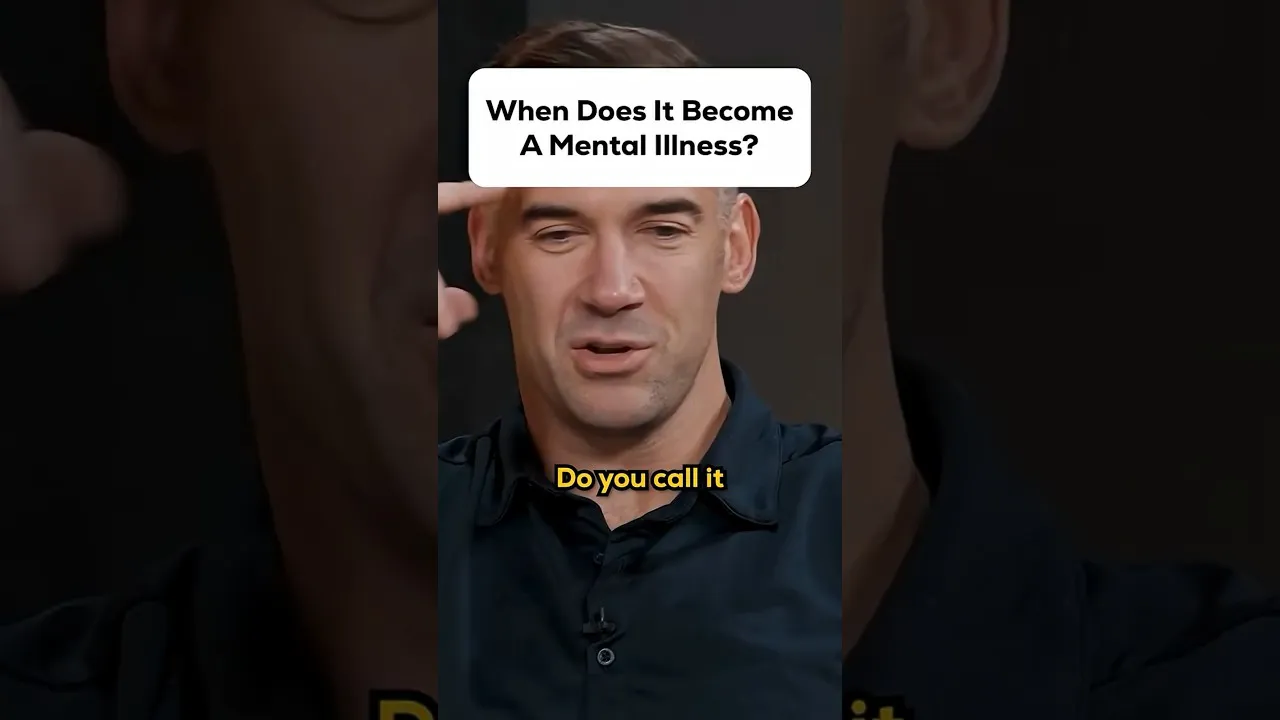
Mind Matters: When Everyday Struggles Become Illness
Many people wonder about the difference between normal life challenges and a true mental illness. The line often comes down to how these struggles affect your daily life.
Psychiatrists generally consider a mental illness to be present when a condition significantly impairs a person’s ability to function. This means it interferes with your work, school, relationships, or overall health.
Think about anxiety. Feeling nervous before a big event is normal. But if your anxiety is so severe that you can’t leave your house or see friends, that’s a sign of impaired function.
Similarly, depression can make daily tasks feel impossible. If these feelings stop you from living your life as you normally would, it crosses the threshold into what is considered a mental illness.
What Defines a Mental Illness?
The key factor in diagnosing a mental illness is impairment of function. This isn’t just about feeling down or worried sometimes.
It’s about how these feelings impact your ability to perform everyday tasks and maintain your well-being. A formal diagnosis, often called a mental disorder or disease, is made when these symptoms cause significant distress or disruption.
For example, someone with severe social anxiety might avoid all gatherings, impacting their career and personal connections. This avoidance is a clear sign of impaired function.
The label, whether it’s a diagnosis, disorder, or disease, is less important than understanding the impact on a person’s life. The focus is on identifying the problem and finding ways to help.
Healing and Recovery: Beyond Medication
The goal in treating mental health conditions is to restore functional ability. This means helping individuals get back to enjoying their lives and engaging in meaningful activities. Even if someone experiences occasional difficult days, if they can still work, maintain relationships, and find joy, their condition may no longer be considered an active illness.
Recovery is possible, and it doesn’t always require medication. While medication can be a vital tool for many, other approaches like therapy, lifestyle changes, and support systems are also crucial.
The focus shifts from eliminating all symptoms to achieving a state where the condition no longer prevents a fulfilling life. This is often referred to as being in remission.
Understanding Remission
Remission means that the symptoms of a mental illness have significantly lessened or disappeared. It doesn’t necessarily mean the illness is gone forever, but that it is no longer actively causing impairment. A person in remission can live a full life, even if they have to manage certain aspects of their mental health.
For instance, someone who has struggled with severe depression might enter remission and be able to work, socialize, and enjoy hobbies again. They might still have moments of sadness, but these do not prevent them from functioning. This state of improved well-being is the primary aim of psychiatric treatment.
Who Should Pay Attention?
This information is relevant to anyone experiencing persistent mental or emotional distress. It’s particularly important for those who feel their struggles are interfering with their daily lives. Understanding the criteria for mental illness can help individuals seek appropriate support sooner.
It applies to people of all ages who are dealing with conditions like anxiety, depression, or other mood disorders. Recognizing the signs of impaired function is the first step toward getting help. Early intervention can lead to more effective treatment and a better long-term outlook.
Key Health Takeaways
- A mental illness is often defined by its impact on your ability to function in daily life.
- Impairment can affect your work, school, relationships, and overall health.
- Feeling sad or anxious occasionally is normal, but persistent struggles that interfere with life may indicate an illness.
- The goal of treatment is to restore function and improve your quality of life.
- Recovery and remission are possible, and may involve therapy, lifestyle changes, and sometimes medication.
- Even in remission, managing your mental health remains important for long-term well-being.
This article provides general information and does not constitute medical advice. Always consult with a qualified healthcare professional for any health concerns or before making any decisions related to your health or treatment.
If you are concerned about your mental health, consider speaking with a doctor or mental health professional to understand your specific situation and explore treatment options.
Source: When Does It Become A Mental Illness @lewishowes (YouTube)