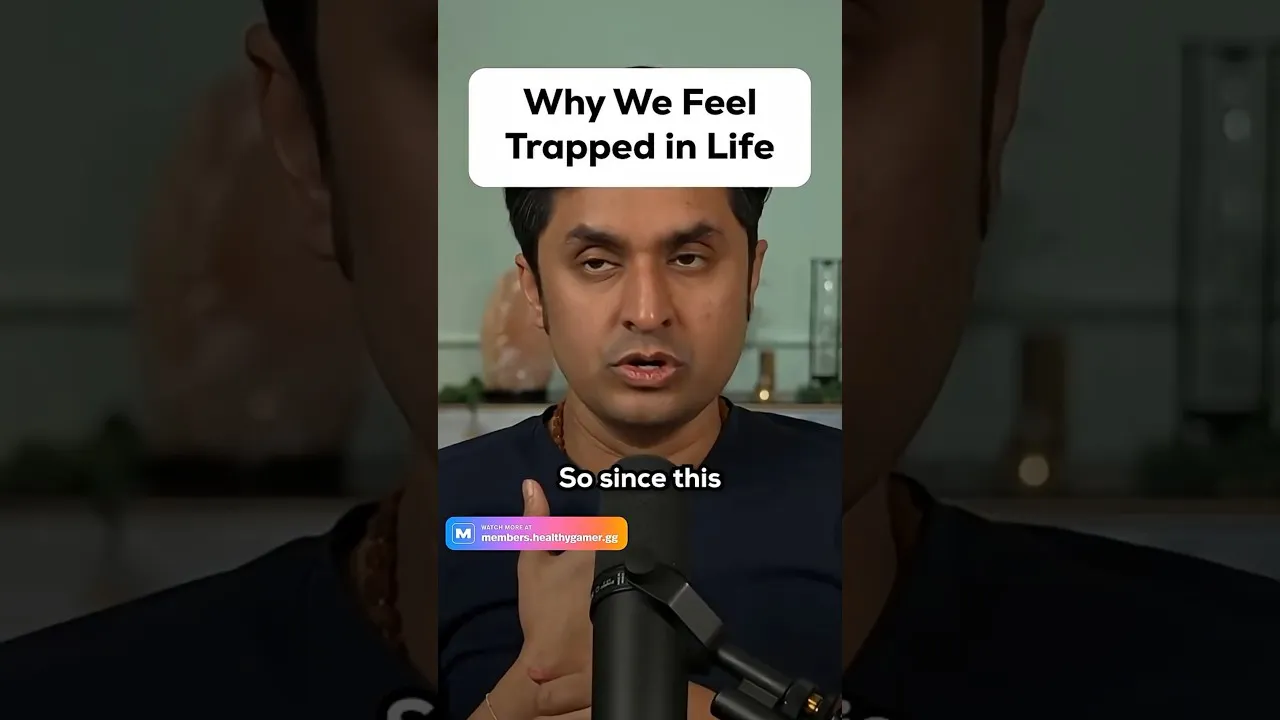
Feeling Stuck? It Might Be Your Fear of Discomfort
Many of us feel trapped in our lives, unsure how to move forward. Often, this feeling stems from a deep-seated avoidance of uncomfortable emotions.
When we face a situation that triggers fear or panic, our natural reaction is to escape it. This instinct to avoid discomfort shapes much of our behavior, leading us to actively steer clear of anything that might bring those feelings back.
This avoidance can manifest in many ways, from ghosting people to becoming passive-aggressive. We might even craft an entire life designed to prevent these unpleasant emotions from ever surfacing. It’s a powerful, yet often unconscious, drive that influences our choices and relationships more than we realize.
The Red Flag in ‘Perfect’ Relationships
Consider the example of a couple who claims they never fight. While this might sound ideal, experts like therapist and author Nedra Glover Tawwab, who discussed this phenomenon on a podcast, often point to it as a significant red flag. This apparent harmony can signal that one partner is constantly avoiding conflict and uncomfortable feelings.
Instead of addressing issues directly, one person might always agree, always take the blame, or always say yes to avoid a confrontation. This pattern prevents genuine resolution and can lead to a state of perpetual unhappiness for the person avoiding the conflict. They may feel bad about themselves because things are always their fault, even if it’s a self-imposed narrative.
Why Avoiding Conflict Hurts You
When you consistently avoid conflict or difficult emotions, you prevent yourself from growing. Think of it like a muscle that never gets worked; it remains weak. Facing challenges, even when they feel uncomfortable, builds resilience and self-awareness.
This avoidance can also damage relationships. True intimacy requires vulnerability and the ability to navigate disagreements together. When one person always avoids conflict, the other person may feel unheard or resentful, creating distance instead of closeness.
Breaking the Cycle of Avoidance
The first step to breaking free from this cycle is recognizing your avoidance patterns. Pay attention to situations where you feel a strong urge to retreat or shut down. What emotions are you trying to escape?
Once you identify these triggers, you can start to practice facing them in small, manageable ways. This doesn’t mean seeking out conflict, but rather learning to tolerate the discomfort that arises when addressing issues. Building this tolerance allows you to engage more authentically with life and relationships.
Understanding Your Emotional Triggers
Our emotional triggers are often linked to past experiences or core beliefs about ourselves. If you tend to avoid criticism, for instance, you might feel intense shame when someone points out a mistake. This shame can be so powerful that you’d rather avoid any situation where criticism is possible.
Learning about these triggers is like getting a map to your own emotional landscape. It helps you understand why you react certain ways and provides clues on how to respond differently. This self-knowledge is crucial for making conscious choices rather than being driven by fear.
The Role of Passive Aggression
Passive aggression is a common outcome of conflict avoidance. Instead of expressing negative feelings directly, a person might use sarcasm, subtle insults, or deliberate inefficiency to communicate their displeasure. This indirect approach allows them to express negativity without directly confronting the source of their discomfort.
However, this behavior is often confusing and frustrating for the recipient. It creates an atmosphere of mistrust and prevents open communication. Like other avoidance tactics, it ultimately fails to resolve the underlying issue and can harm relationships.
When ‘Always Agreeing’ Becomes a Problem
Always agreeing or accepting blame, even when it’s not your fault, is another strategy to avoid conflict. While it might bring temporary peace, it comes at a significant cost. You may feel resentful, undervalued, or like you’re not being true to yourself.
This pattern can lead to a feeling of powerlessness. If you never assert your needs or opinions, others may not realize what you truly want or need. Over time, this can lead to a deep sense of dissatisfaction and unhappiness in your relationships and life choices.
Building a More Authentic Life
To build a more authentic life, we need to develop a greater tolerance for discomfort. This involves practicing self-compassion when difficult emotions arise and learning to sit with them instead of immediately trying to escape. It means understanding that growth often happens just outside our comfort zone.
Start by identifying one small area where you tend to avoid discomfort. This could be expressing a differing opinion, setting a boundary, or addressing a minor issue in a relationship. Practice responding to that situation with more directness and less avoidance.
Seek Professional Guidance
If you find yourself consistently struggling with avoidance and feeling trapped, seeking professional help can be incredibly beneficial. Therapists are trained to help you understand the roots of your avoidance behaviors and develop healthier coping mechanisms.
Therapy provides a safe space to explore uncomfortable emotions and practice new ways of responding to conflict. It can guide you in building self-awareness and fostering more fulfilling relationships and a more authentic life. Remember, change is possible with awareness and consistent effort.
Key Health Takeaways
- Feeling trapped often results from avoiding uncomfortable emotions like fear or panic.
- Our instinct to escape discomfort shapes many behaviors, including passive aggression and conflict avoidance.
- A relationship where partners never fight can be a red flag, indicating avoidance of conflict.
- Consistently avoiding difficult situations prevents personal growth and can harm relationships.
- Developing tolerance for discomfort is key to breaking the cycle of avoidance and living more authentically.
- Recognizing your emotional triggers and practicing small steps towards facing discomfort can lead to significant change.
- Professional guidance from a therapist can help you understand and change avoidance patterns.
This article is for informational purposes only and does not constitute medical advice. Always consult with a qualified healthcare provider for any health concerns or before making any decisions related to your health or treatment.
Source: Why We Feel Trapped in Life (YouTube)