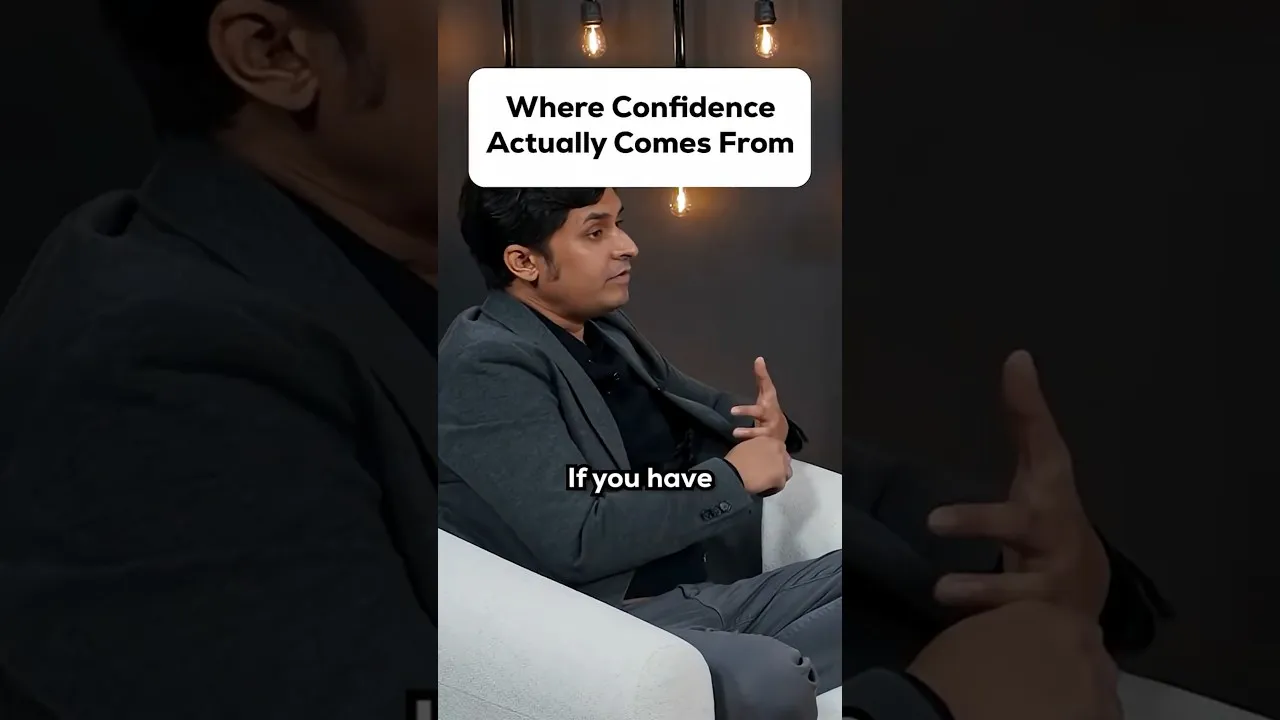
Build Real Confidence by Facing Your Fears
True confidence doesn’t come from always succeeding. Instead, it grows stronger when you face your fears and learn that you can handle difficult situations.
This idea comes from a discussion with mental health expert [Expert Name/Title, if available in transcript – otherwise omit]. It’s a powerful concept that can help anyone build resilience and self-assurance.
Many people believe success is the key to confidence. We think that if we achieve our goals, we’ll feel good about ourselves. However, this approach can leave us feeling shaky.
What happens when success doesn’t happen? We might feel like our confidence is gone.
The approach discussed, known as exposure and response prevention (ERP), is often used for conditions like Obsessive-Compulsive Disorder (OCD) and phobias. It involves gradually facing the things that scare you.
For example, if you have a fear of heights, you might start by looking at pictures of tall buildings. Eventually, you would work up to standing on a high place.
The core idea is to experience the fear but not let it control you. When you’re exposed to something frightening, your body naturally reacts with anxiety.
This might feel overwhelming, like you can’t handle it. But the goal is to stay in that feeling and realize you will not be harmed.
Think of it like learning to swim. You might be scared of the water at first. But by getting in, feeling the water, and learning to float or paddle, you overcome that fear.
You learn that the water, while initially scary, is something you can manage. This process teaches your brain that the feared situation is survivable.
This method encourages something called neuroplasticity. This is your brain’s ability to change and form new connections.
By repeatedly facing a fear and surviving it, your brain learns that the threat isn’t as severe as it once seemed. This rewires your response to that trigger.
This principle applies to many types of fears. Social anxiety, for instance, can be tackled by putting yourself in social situations.
This might mean going to a party where you don’t know many people. It could also mean talking to someone you find intimidating or asking someone out, even if you fear rejection.
The key is to go into these situations knowing you can handle the outcome, even if it’s not ideal. If you fear rejection, imagine being rejected.
You will feel uncomfortable, but you will survive. You will not die from rejection, and you will learn that you can handle that feeling.
This repeated experience of facing fear and realizing you’re okay builds a deep sense of confidence. It’s a confidence built on your own proven ability to cope.
It’s not based on the fragile idea of constant success. It’s a confidence that sticks with you, no matter what happens.
Key Health Takeaways
- True confidence comes from surviving difficult experiences, not just from success.
- Exposure and response prevention (ERP) is a method to overcome fears by facing them directly.
- When you face a fear, your brain learns that you can manage the situation and that the threat is often not as severe as it seems.
- This process helps build resilience and neuroplasticity, allowing your brain to adapt.
- Apply this to social fears by attending events or initiating conversations, even with the risk of rejection.
This approach is particularly helpful for individuals struggling with anxiety disorders, phobias, or social anxiety. It can be adapted for people of all ages who wish to build greater self-belief.
Always remember, this information is for educational purposes and is not a substitute for professional medical advice. If you are struggling with significant anxiety or phobias, please consult with a qualified healthcare provider or therapist. They can help you develop a safe and effective plan tailored to your specific needs.
Start by identifying one small fear you can safely expose yourself to this week.
Source: Where Confidence Actually Comes From @lewishowes (YouTube)