A Year of “Nothing New”: A Personal Challenge to Curb Spending
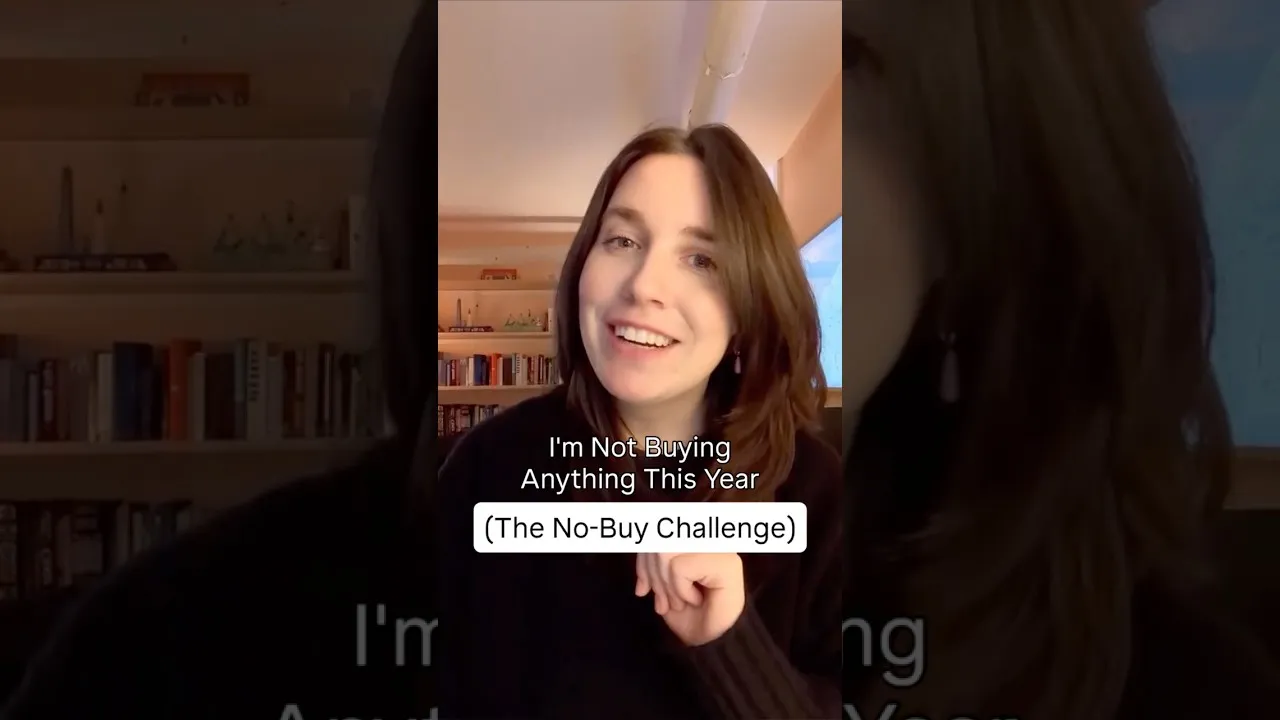
In a move away from constant consumption, one individual has embarked on a “nothing new” challenge for the entire year of 2026. This personal finance experiment stems from a fading sense of joy in acquiring new items, particularly clothing. The annual January closet cleanout had become an overwhelming task, filled with items no longer wanted or needed.
Adding to the motivation, the individual recently became a parent, which naturally brought a renewed focus on existing possessions. Facing a closet filled with clothes unworn for over a year, the challenge aims to redefine the relationship with personal belongings. It’s not about stopping all purchases, but rather about being highly intentional with what enters the home.
The Rules of the “Nothing New Year”
The core principle of this challenge is to replace only what is genuinely needed and already owned. If an item is worn out or a different size is required, a replacement is permissible.
However, the priority is always to shop secondhand whenever possible. This applies to a wide range of goods, not just clothing.
This rule extends to essentials like skincare and makeup. No entirely new product types are allowed, but existing items can be replaced as they run out.
The only exception is for medically prescribed treatments from a dermatologist. This prevents a complete halt on necessary personal care items.
Home Goods and Hobbies Get Special Consideration
New home items are largely off-limits, with a few pre-planned exceptions. Replacing worn-out closet shelves is one such necessary project.
Even then, the intention is to buy photo prints and frames for these new shelves, with a preference for secondhand or vintage frames. This approach blends necessary upgrades with a commitment to unique, pre-owned items.
The challenge also carves out space for hobbies and at-home activities. Buying craft supplies, puzzles, and games is permitted.
The goal here is to encourage spending more time and less money at home. This means actively engaging with existing supplies before acquiring new ones.
Prioritizing Existing Resources
A key component is the rule to use what is already owned before buying anything new. This means working through existing embroidery supplies or completing all owned puzzles before considering a purchase. The individual is also considering participating in a puzzle swap to share and exchange entertainment items with others.
While there is no specific monetary savings goal, the participant will track spending throughout 2026. Comparing this year’s expenditure to 2025’s spending will highlight the financial impact of this challenge. More detailed insights and weekly recaps will be shared through a free newsletter and on The Financial Diet’s platform.
Market Impact and Investor Takeaways
This personal challenge, while not a broad market indicator, reflects a growing sentiment among some consumers to move away from impulsive buying. Companies reliant on high-volume sales of discretionary goods, especially fast fashion and easily replaceable home decor, could see shifts in consumer behavior if this trend broadens.
For investors, this highlights the importance of understanding consumer psychology. Brands that can tap into values like sustainability, resourcefulness, and mindful consumption may gain traction. Companies with strong resale platforms or those offering durable, long-lasting products might also benefit from this conscious consumerism.
Long-Term Implications
The long-term success of such challenges depends on individual discipline and the perceived value of possessions. If more consumers adopt similar approaches, it could lead to a sustained slowdown in demand for certain product categories. This might encourage businesses to focus more on quality and longevity over rapid turnover.
The challenge will provide concrete data on spending reductions and the practicalities of living with less. These insights could influence future purchasing habits and potentially inspire broader conversations about consumption patterns in society. The participant’s weekly updates will offer a real-time look at the ups and downs of this intentional spending journey throughout 2026.
Source: Choosing Resourcefulness Over Consumption (YouTube)