Ditch Health Obsession for Better Well-being
In our drive for perfect health, many of us fall into a trap of “hyper-optimization.” This means obsessing over every tiny detail, like counting almonds or calculating the health cost of a single hot dog. While the intention is good, this constant pursuit of flawlessness can actually harm our health by fueling anxiety. Instead of enjoying life, we become stressed about every food choice and activity.
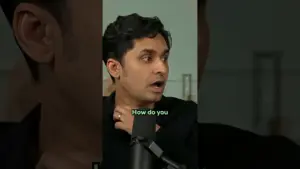
This approach is highlighted by Dr. Mikhail Varshavski, popularly known as Dr. Mike, who emphasizes that chasing perfect health can lead to worse outcomes. He explains that this hyper-focus often breeds health anxiety, a state where individuals worry excessively about their physical well-being.
This anxiety can be more damaging than the habits people are trying to correct. True health is about balance, not extreme perfection.
The Problem with Hyper-Optimization
The podcast world often features experts who promote extreme health regimens. They might detail precise macronutrient ratios or warn about the dire consequences of minor dietary deviations.
Dr. Mike points out that this kind of advice doesn’t reflect how most people live or how good primary care doctors practice medicine. This constant pressure to be perfect can lead to burnout and a feeling of failure.
When we fixate on optimizing every single aspect of our health, we can miss the bigger picture. It becomes less about feeling good and more about adhering to a strict set of rules.
This can make healthy living feel like a chore rather than a sustainable lifestyle. The goal should be to feel good and live fully, not to achieve an unattainable level of perfection.
Finding a Balance in Health
A good primary care doctor focuses on understanding the individual. They look at your overall health, explain the risks associated with your current habits, and help you make manageable changes.
Prevention strategies are key, but they are offered realistically, acknowledging that no one is perfect. The aim is to reduce risks gradually, not eliminate them overnight through drastic measures.
This approach contrasts sharply with the marketing of certain health products. Some companies promise miraculous results or complete disease prevention, which is often an overstatement. These claims can lead people down a path of unnecessary testing, potentially exposing them to more radiation or increasing the risk of medical errors from over-treatment.
The Paradox of Healthcare
There’s a strange duality in healthcare: sometimes we need to actively seek medical attention, and other times it’s best to avoid unnecessary interventions. This is a complex reality that patients navigate daily. Understanding when to see a doctor and when to trust your body’s resilience is crucial for maintaining good health without succumbing to anxiety.
Dr. Mike’s perspective, shared with Mel Robbins, suggests that the obsession with hyper-optimization is counterproductive. It creates a stressful environment where people feel guilty about normal life activities. Instead, he advocates for a more balanced approach, where health is integrated into life rather than becoming life’s sole focus.
What This Means for You
If you find yourself constantly stressed about your diet, exercise, or sleep, it might be time to re-evaluate your approach. Are you chasing an ideal that leaves you feeling anxious and deprived?
Consider focusing on making sustainable, enjoyable changes rather than striving for impossible perfection. Small, consistent steps often yield better long-term results and greater happiness.
This advice is particularly relevant for individuals who feel overwhelmed by the constant stream of health information. It applies to anyone seeking a healthier lifestyle without succumbing to the pressures of extreme wellness culture. Remember, your primary care physician is your best resource for personalized health guidance.
Key Health Takeaways
- Avoid obsessing over every tiny health detail; focus on overall well-being.
- Health anxiety, fueled by hyper-optimization, can negatively impact your health.
- Seek a balanced approach to health that includes enjoyment and real-life activities.
- Consult your primary care doctor for personalized, realistic health advice.
- Be wary of products or advice promising perfect health or disease prevention.
Consult Your Doctor
This article provides general information and does not constitute medical advice. Always consult with a qualified healthcare provider for any health concerns or before making any decisions related to your health or treatment. Your doctor can help you create a personalized health plan that fits your individual needs and lifestyle.
The journey to better health should be sustainable and joyful. By letting go of the pressure to be perfectly optimized, you can achieve genuine well-being and enjoy your life more fully. Start by identifying one small, manageable change you can make this week.
Source: Doctor Mike: Stop trying to hyper-optimize your health | Mel Robbins #Shorts (YouTube)