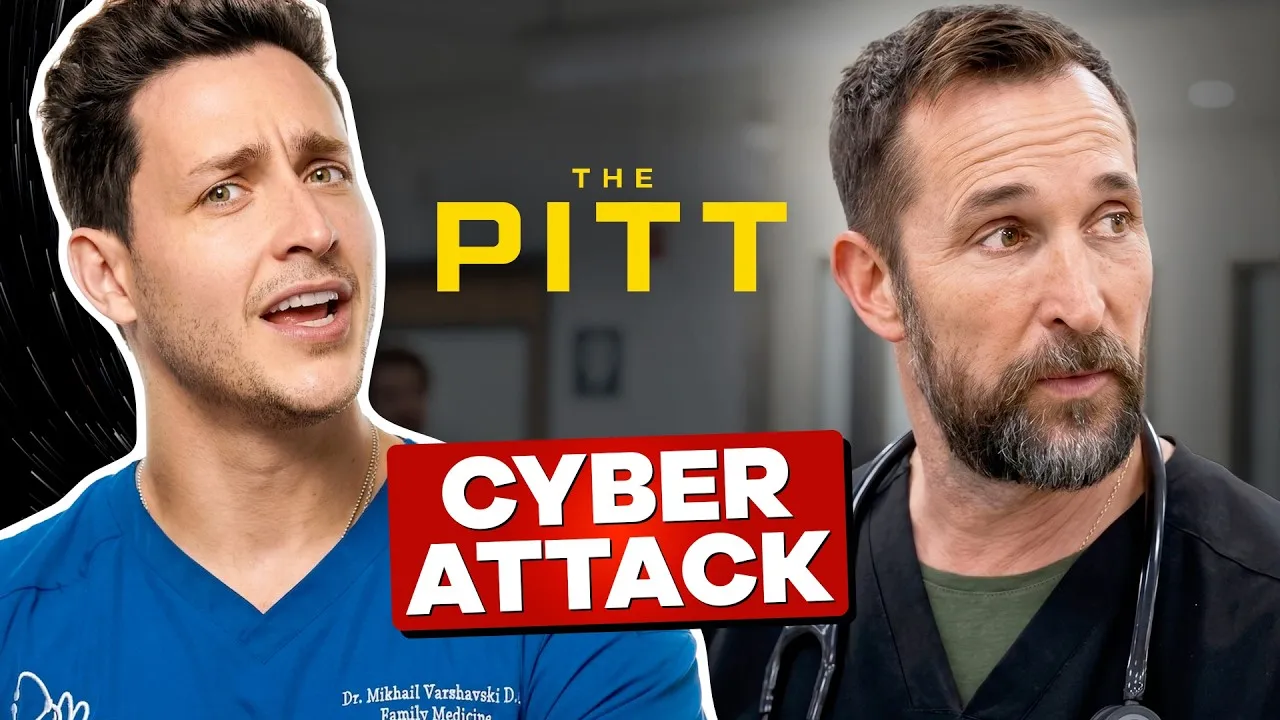
Expert Insights on Compassionate Healthcare and Trauma Care
Navigating complex medical situations requires not only advanced knowledge but also profound compassion. From sexual assault nurse examiners (SANEs) providing crucial support to victims, to trauma teams working under immense pressure, the human element is central to effective healthcare. This article explores key insights from medical professionals on patient-centered care, trauma response, and effective communication in high-stakes medical environments.
Understanding the Role of a SANE Nurse
Sexual Assault Nurse Examiners (SANEs) play a vital role in hospitals, offering specialized care to survivors of sexual assault. They conduct forensic exams, meticulously collect evidence, and provide essential resources and support to patients. SANEs are trained to offer comfort and empower patients during incredibly difficult times.
Currently, there is a shortage of SANEs, highlighting a critical need for more trained professionals in this field. Becoming a SANE involves extensive in-person and classroom training, ensuring nurses are well-prepared for the sensitive nature of their work.
Patient-Centered Care: Empowering Survivors
A core principle in treating survivors of sexual assault is patient-centered care, where the patient is in control of their medical journey. This approach acknowledges that a significant part of sexual assault involves a loss of control and can have lasting mental health effects.
By allowing patients to direct the medical exam, treatment decisions, and reporting process, healthcare providers help to restore a sense of power and safety. It is crucial to remember that the absence of visible injuries does not negate the reality of an assault; the exam and evidence collection remain important steps.
Effective Communication in Medical Settings
Clear and empathetic communication is paramount, especially when dealing with language barriers or high-stress situations. Technical glitches, like poor internet connectivity during an interpreter’s translation, can disrupt crucial exchanges.
Medical professionals should speak in a normal, calm tone, avoiding raised voices or whispering, which can increase anxiety. When communication breaks down, providing extra information and ensuring patient understanding is even more critical.
De-escalation and Mental Health Support
In situations involving agitated patients, such as those brought in after being tased, de-escalation techniques are vital. Moving the patient to a different setting or changing the environment can help calm emotions and create a more at-ease atmosphere.
When a patient requires involuntary psychiatric evaluation, it’s important for medical teams to communicate clearly with family members about the necessity and next steps. Involving psychiatric specialists can provide families with further explanation and support.
Trauma Response: The DOPE Method and Beyond
Trauma care often involves rapid assessment and intervention. For intubated patients experiencing respiratory distress, the DOPE mnemonic (Displacement, Obstruction, Pneumothorax, Equipment failure) is a useful framework for identifying potential causes.
In one case, a high-velocity gunshot wound resulted in a transected trachea, a life-threatening condition. The medical team had to creatively find a way to guide the endotracheal tube past the injury to restore airflow to the lungs. This scenario highlights the critical need for quick thinking and specialized skills in trauma surgery.
Understanding Vitals and Their Meaning
Interpreting vital signs provides a window into a patient’s condition. For instance, a low oxygen saturation (SATs) with an elevated heart rate indicates the body is struggling to get enough oxygen, and the heart is working harder to compensate.
When assessing a patient, using descriptive terms like “normal” or detailing specific findings is more helpful than broad judgments like “good” or “bad.” This approach ensures clarity and avoids potentially making patients feel uncomfortable with medical jargon.
Assessing Pain and Potential Diagnoses
Pain assessment is key, and symptoms like abdominal pain near the belly button can sometimes be early signs of appendicitis. This pain might later move to the lower right quadrant, a classic indicator, but its initial presentation can sometimes mislead.
For adolescents experiencing dizziness, especially after physical exertion like football practice, potential causes range from dehydration and heat exhaustion to more serious conditions like rhabdomyolysis (severe muscle breakdown). Close monitoring of both cardiac and metabolic functions is essential.
Addressing Financial Concerns in Healthcare
The financial burden of medical care is a significant concern for many patients. When faced with substantial medical debt, patients may prioritize work or other financial obligations over recommended medical treatment, leading to difficult decisions.
Healthcare providers can play a role by exploring options like hospital discounts, connecting patients with community health centers, and gently encouraging them to prioritize their health. Ignoring health issues due to financial stress can lead to worse outcomes and greater costs in the long run.
The Importance of Comprehensive Exams
Medical exams are often thorough, involving detailed assessments of various body systems. This comprehensiveness ensures that potential issues are identified, even if they are not immediately apparent.
For example, a patient might undergo a full body survey, including checking for bruising or other signs of trauma, even if the initial complaint seems minor. This meticulous approach helps rule out less obvious problems and ensures holistic patient care.
Managing Heat-Related Illnesses
Heatstroke is a serious condition requiring immediate intervention. Prompt cooling measures, such as using ice packs on the groin and armpits (areas with major blood vessels) or specialized cooling devices, are critical.
Monitoring core body temperature and lab results, including electrolyte levels like sodium, is essential. Dehydration can cause sodium levels to appear high, and rehydration must be done carefully to avoid overcorrection, which can have its own risks.
The Role of Communication in Trauma Outcomes
Effective communication among medical teams is vital during trauma care. Understanding the patient’s history, the mechanism of injury, and current vital signs allows for coordinated and efficient treatment.
For instance, in a case involving a gunshot wound to the neck, understanding that the patient was intubated in the field due to shallow breathing highlights the severity of the injury and the immediate need for airway management.
Interpreting Lab Results in Trauma
Lab results, such as hemoglobin levels, provide critical information about blood loss. A low hemoglobin count can indicate significant bleeding, but medical professionals consider various factors, including the patient’s baseline health and the presence of active bleeding, before deciding on interventions like blood transfusions.
The decision to transfuse is often based on specific protocols, symptoms, and individualized patient needs, emphasizing a nuanced approach to treatment. Blood is a precious resource, making careful management crucial.
Navigating Patient Decisions and Trust
Patients sometimes make decisions that go against medical advice, which can be frustrating for healthcare providers. Building trust and understanding the patient’s perspective are key to encouraging adherence to treatment plans.
Open, one-on-one conversations with patients are essential to uncover the reasons behind their decisions. Addressing misunderstandings and concerns can lead to better outcomes and strengthen the patient-provider relationship.
The Impact of Pain on Breathing
Pain, particularly from injuries like broken ribs, can significantly impact a patient’s breathing. When patients avoid deep breaths due to pain, their oxygen levels can drop, necessitating effective pain management and respiratory support.
Techniques like incentive spirometry encourage deep breathing, helping to maintain lung capacity and oxygenation. This highlights the interconnectedness of pain control and overall patient recovery.
Conclusion: The Art and Science of Modern Medicine
The medical scenarios depicted showcase the blend of scientific knowledge, technical skill, and human empathy required in modern healthcare. From specialized roles like SANEs to the collaborative efforts of trauma teams, every aspect of care aims to support patient well-being.
Effective communication, patient empowerment, and thoughtful decision-making are as crucial as any medical procedure. These elements combine to form the art of healing, ensuring that patients receive not only the best possible medical treatment but also the compassionate support they deserve. Remember to always consult with a qualified healthcare professional for any health concerns.
Source: Doctor Reacts To The Pitt Season 2 Episode 7 (YouTube)