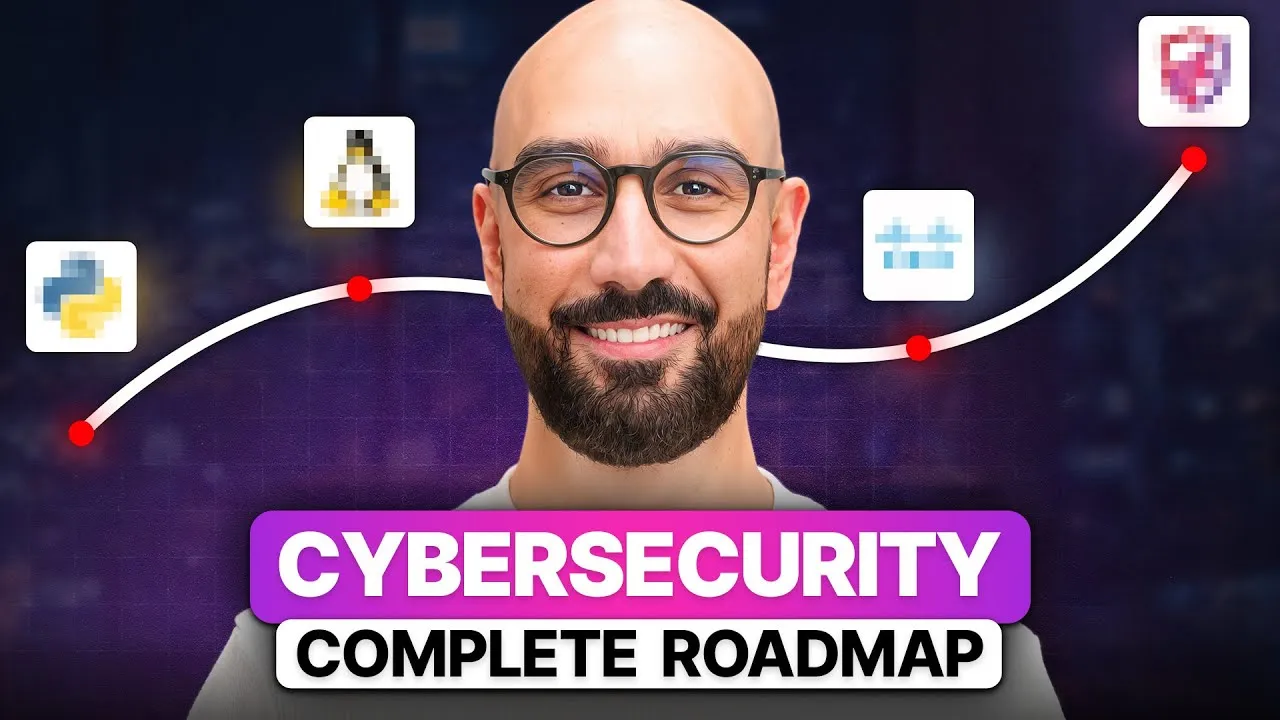
How to Land Your First Cybersecurity Job in 10 Months
This guide outlines a comprehensive roadmap to prepare you for an entry-level cybersecurity role. By dedicating 3-5 hours of daily study and practice, you can acquire the necessary skills and knowledge within approximately 7 to 10 months.
We will cover foundational IT skills, networking, operating systems, coding, cybersecurity fundamentals, and both defensive and offensive security practices. This structured approach, combined with recommended certifications, will significantly boost your employability in the cybersecurity field.
Prerequisites
- Access to a computer and the internet.
- A daily commitment of 3-5 hours for studying and practice.
Step 1: Build a Strong IT Foundation (1-2 Months)
This initial step is crucial, especially for those new to the tech industry. It ensures you have a basic understanding of how technology works, enabling you to troubleshoot common issues.
- Understand Core IT Concepts: Familiarize yourself with basic computer hardware, software installation, operating system functions, and common troubleshooting techniques for issues like computer problems or Wi-Fi connectivity.
- Consider CompTIA A+: This certification covers essential IT knowledge, including installing operating systems, managing software, and handling common PC problems. It’s an excellent starting point for building a solid IT base.
Expert Note: Do not skip this step if you are new to technology. A strong IT foundation is the bedrock upon which cybersecurity knowledge is built.
Step 2: Master Computer Networking (1-2 Months)
Understanding how data moves is fundamental to protecting or attacking systems. This phase focuses on the principles of computer networks.
- Learn Network Models: Study the OSI and TCP/IP models to understand the layers of network communication.
- Explore Protocols: Familiarize yourself with common network protocols such as HTTP, HTTPS, and TCP.
- Understand IP Addressing: Learn about IP addressing and subnetting.
- Grasp Network Hardware: Gain basic knowledge of routers, switches, and firewalls.
- Consider Certifications:
- CompTIA Network+: A great entry-level certification covering general networking principles.
- CCNA (Cisco Certified Network Associate): A more in-depth certification focusing on Cisco equipment, considered a gold standard in networking.
Tip: Certifications are valuable, but hands-on skills are paramount. Focus on practical application alongside your studies.
Step 3: Learn Operating Systems (1-2 Months)
Proficiency in operating systems is vital. While starting with one is recommended, learning both Windows and Linux is ideal for cybersecurity.
- Choose a Primary OS: If you’re new, start with the OS you use daily (e.g., Windows). Focus on file permissions, logs, and basic user management.
- Learn Linux: Linux is prevalent in servers, cloud environments, and security tools. Dedicate time to understanding its command line, file system, and administration.
- Optional Linux Certification: CompTIA Linux+ can provide structured learning, but focus on practical knowledge over the certification itself, as it may not be as impactful as others.
Warning: While learning both is beneficial, prioritize deep understanding of one before heavily diving into the other to avoid feeling overwhelmed.
Step 4: Develop Coding Skills (Ongoing)
You don’t need to be a master coder, but basic programming knowledge will greatly assist you in cybersecurity.
- Learn Python: Python is beginner-friendly and widely used in cybersecurity for scripting, automation, and tool development. Explore resources like the Python tutorials available on this channel.
- Learn Scripting Languages:
- Bash: Essential for Linux environments for automating tasks.
- PowerShell: The equivalent for Windows environments.
Expert Note: Once you learn one programming language, picking up others becomes significantly easier. Focus on understanding programming logic.
Step 5: Study Cybersecurity Fundamentals (Ongoing)
With a solid foundation, you can now dive into the core principles of cybersecurity.
- Explore Key Concepts: Understand security principles, common threats, vulnerabilities, and risk management.
- Consider Certifications:
- CompTIA Security+: Highly recognized and often a requirement for entry-level roles, especially in government sectors.
- Google Cybersecurity Professional Certificate: A newer option offering a guided online learning path.
Tip: Always relate theoretical knowledge to practical scenarios. How would this concept be applied or exploited in a real-world situation?
Step 6: Learn Defensive Security (Blue Teaming) (Ongoing)
Focus on protecting systems and networks against cyber threats.
- Understand Threat Detection: Learn how to identify potential security breaches.
- Log Analysis: Develop skills in analyzing system and network logs to detect suspicious activity.
- Network Security: Study methods to secure network infrastructure.
- Consider Certifications:
- Cisco Cyber Ops Associate: A well-regarded certification in the field.
- PSAA (Palo Alto Networks Certified Cybersecurity Associate): From a smaller brand but known for its hands-on approach.
- PTL1 (Security Blue Team): Specifically focused on practical, real-world defensive tasks.
Step 7: Explore Offensive Security (Red Teaming) (1-2 Months)
This involves testing systems to find vulnerabilities before malicious actors do.
- Practice Vulnerability Scanning: Learn to use tools to identify weaknesses in systems and networks.
- Exploit Simulation: Practice exploiting identified vulnerabilities in a controlled environment.
- Use Practice Platforms: Engage with platforms like TryHackMe or Hack The Box, which offer safe, virtual labs to hone your hacking skills.
- Consider Certifications:
- eJPT (eLearnSecurity Junior Penetration Tester): A practical, entry-level certification for offensive security.
- PJP (Penetration Testing Job Path) by TCM Security: Another beginner-friendly penetration testing certificate.
- CompTIA PenTest+: A popular certification focusing on penetration testing and vulnerability assessment.
Warning: Always practice offensive security techniques in authorized lab environments. Unauthorized testing is illegal.
Conclusion
By diligently following this roadmap and dedicating 3-5 hours daily, you can position yourself for an entry-level cybersecurity role within 7 to 10 months. Remember that consistent practice and hands-on experience are key to success. Adjust the timeline based on your learning pace, but maintain your commitment to continuous learning and skill development.
Source: The Complete Cybersecurity Roadmap: Land a Cybersecurity Job in 10 Months (YouTube)