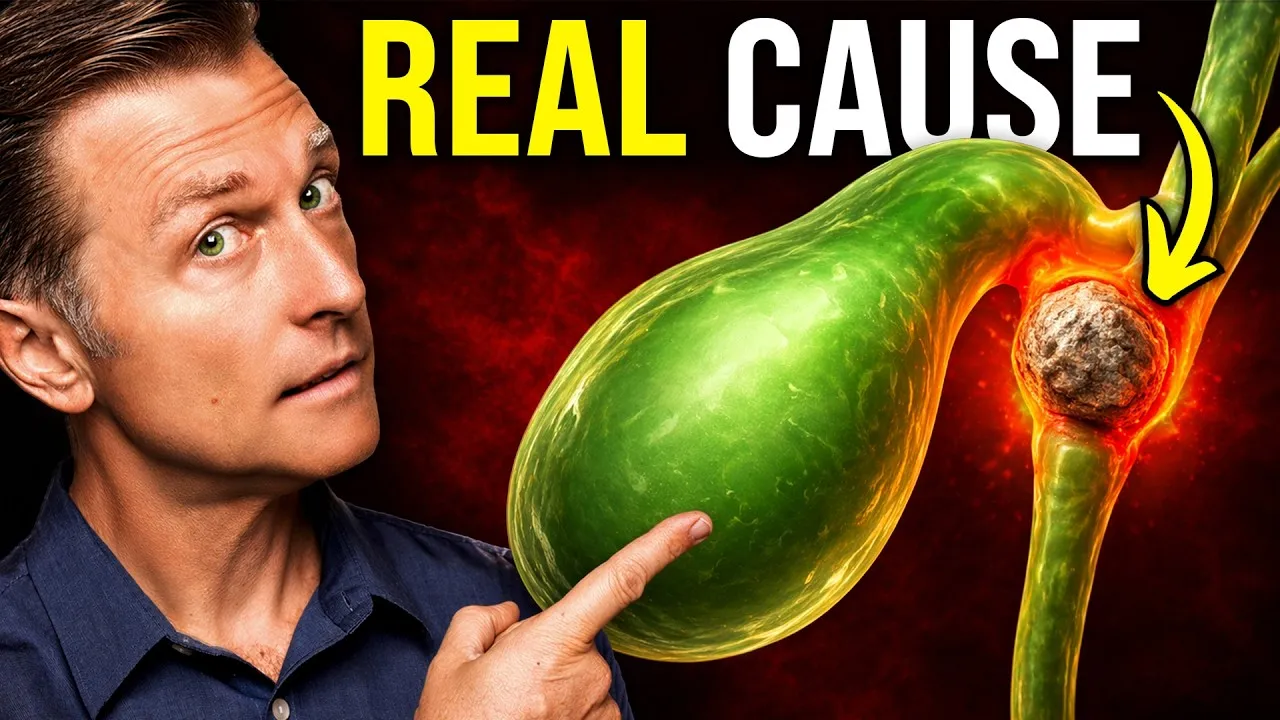
Low-Fat Diets May Trigger Gallstones, Not Fat
Many people believe that eating greasy foods and high-fat meals leads to gallstones. This common idea is that high cholesterol directly causes these painful formations. However, new insights suggest that low-fat diets might actually be a significant trigger for gallstones. Understanding the true cause can help prevent the need for surgery, which affects hundreds of thousands each year.
The Gallbladder’s Vital Role
Your gallbladder is a small organ located beneath your liver. It plays a crucial role in digestion, particularly with fats. Your liver produces bile, a fluid that aids in breaking down fats. This bile trickles from the liver into the gallbladder, where it is stored and concentrated. The gallbladder then releases the right amount of bile into your small intestine when you eat, helping your body absorb essential nutrients.
Why Fat-Soluble Nutrients Matter
Bile is essential for extracting fat-soluble vitamins like A, D, E, and K from your food. It also helps in absorbing important fatty acids, such as omega-3s. Without sufficient bile, your body cannot get these vital nutrients. The gallbladder’s ability to concentrate bile makes it more potent, ensuring that fats are broken down effectively. This process works alongside pancreatic enzymes to make fats small enough for absorption in the intestine.
What Are Gallstones Really?
Gallstones are often a buildup of cholesterol and bile salts. They form when there’s an imbalance, specifically too much cholesterol and not enough bile salts. This can lead to a super-concentrated stone. Before a stone fully forms, a condition called bile sludge can occur. This thick sludge can block the small tubes, or bile ducts, leading to pressure buildup in the liver and pain. This pain might be felt in the right shoulder, leading people to seek treatment for shoulder issues when the root cause is elsewhere.
The Low-Fat Diet Paradox
The idea that low-fat diets can cause gallstones might seem surprising. However, dietary fat actually stimulates the liver to produce bile and signals the gallbladder to contract and release it. When you eat very little fat, this signal is weakened. This can cause bile to back up and not flow properly, contributing to sludge and stone formation. So, it’s not the dietary fat itself that’s the primary problem.
Sugar, Starch, and Insulin: The Real Villains?
High-carbohydrate diets, rich in sugar and starch, are strongly linked to gallstone formation. These diets can increase cholesterol production in the body. They also seem to inhibit the production and release of bile. When you consume too many carbs, your body releases more insulin. This hormonal environment can promote the buildup of bile sludge and gallstones. This connection explains why individuals with pre-diabetes and diabetes have a higher risk of developing gallstones.
Hormones and Gallstones
Hormonal changes can also play a role in gallstone development. Increased estrogen levels, such as those experienced during pregnancy, with estrogen therapy, or when taking birth control pills, can raise the risk. Estrogen can increase cholesterol levels and slow down the gallbladder’s contractions. This combination can lead to more concentrated bile and an increased likelihood of sludge and stone formation.
Nutrients That Support Gallbladder Health
Several nutrients are crucial for maintaining a healthy gallbladder and preventing gallstones. Vitamin C is needed for the conversion of cholesterol into bile salts. A deficiency in Vitamin C could therefore increase gallstone risk. Choline, a B vitamin, is also vital. It helps dissolve gallstones and is essential for preventing fatty liver disease, which can impair bile production. Good dietary sources of choline include beef liver and egg yolks. Magnesium is important for the proper function of the valves that control bile flow. A lack of magnesium can disrupt this flow, leading to bile backup. Coffee has also been noted as potentially beneficial, possibly by helping the liver produce more bile.
Thyroid Health and Bile Flow
Thyroid function is another factor to consider. Hypothyroidism, or an underactive thyroid, can slow down bile production and release. This sluggish system can contribute to gallstone formation. If you have a slow thyroid, it might impact your gallbladder’s ability to function optimally.
What About Surgery?
Gallbladder removal surgery is common, with around 700,000 procedures performed annually. However, some individuals experience similar or even worse symptoms after the surgery. This is partly because the gallbladder’s role in concentrating and regulating bile is lost. Without it, bile flows more continuously but with less potency. This can lead to digestive issues like diarrhea (too much bile) or constipation (not enough bile) for some people.
Potential Aids and Next Steps
For those dealing with bile sludge or discomfort, certain supplements might offer support. Bile salt supplements, like Tudca (tauroursodeoxycholic acid), are sometimes recommended to help move sludge through the bile ducts. It’s generally advised to take these after meals, as they are alkaline and could interfere with stomach acid if taken beforehand. Addressing the root cause through diet—reducing sugar and starches while adopting a lower-carb approach—is key. Bile salts are even used medically to treat gallstones, though their recommendation varies.
Consult Your Doctor
This information is for educational purposes and should not replace professional medical advice. If you are experiencing symptoms related to gallstones or have concerns about your gallbladder health, it is essential to consult with your doctor. They can provide an accurate diagnosis and recommend the best course of treatment for your individual situation.
Key Health Takeaways
- Low-fat diets, not high-fat foods, may be a significant trigger for gallstones.
- The gallbladder concentrates bile, which is essential for digesting fats and absorbing fat-soluble vitamins.
- Gallstones often result from an imbalance of cholesterol and bile salts, sometimes preceded by bile sludge.
- High-carb diets, sugar, and high insulin levels are strongly linked to gallstone formation.
- Hormonal factors, like increased estrogen, can also contribute to gallstones.
- Nutrients like Vitamin C, choline, and magnesium are important for gallbladder health.
- If you have gallstone concerns, discuss them with your healthcare provider.
Source: The Gallstone Mistake That Leads to SURGERY (700,000 a Year) (YouTube)