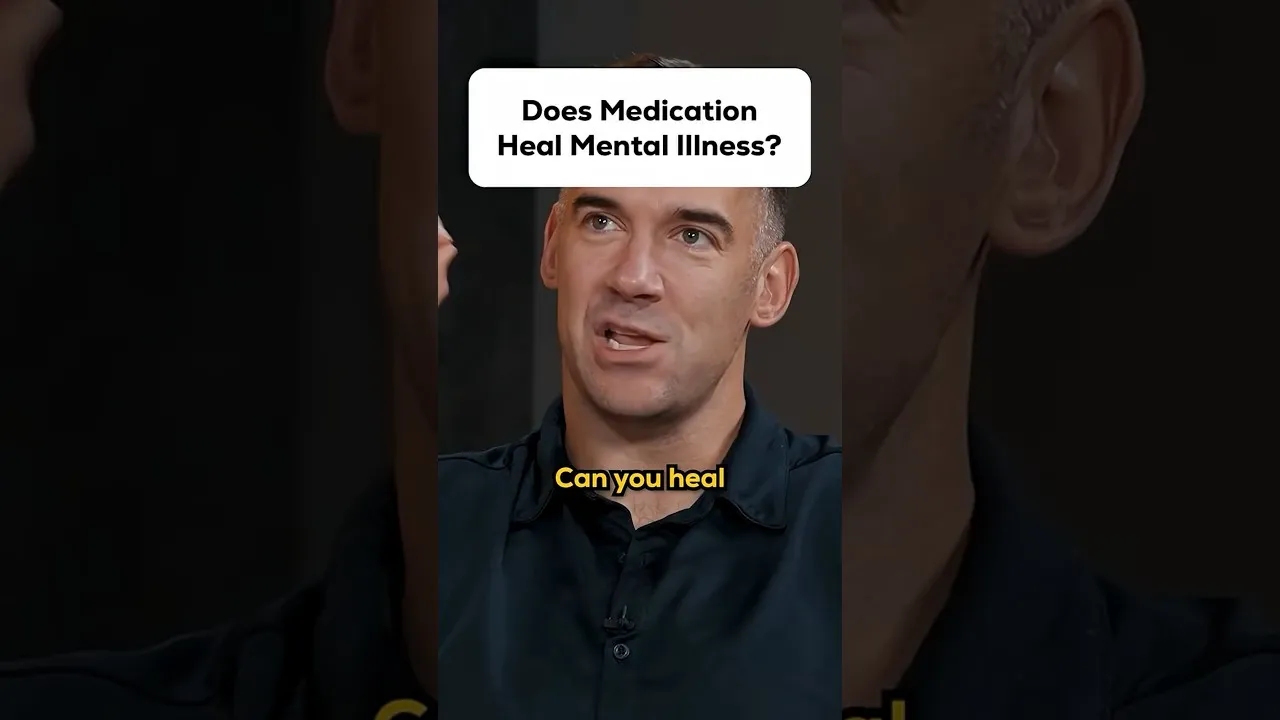
Medication Manages, Doesn’t Heal Mental Health Issues
Many people believe that medication can cure mental illness. However, experts suggest that psychiatric drugs primarily manage symptoms rather than heal the underlying condition. This distinction is crucial for understanding how to approach mental health treatment effectively.
Medications are designed to control the outward signs of a mental health condition, much like pain relievers manage physical pain. For example, a stimulant for ADHD helps a person focus while taking it, but it doesn’t eliminate ADHD itself. Once the medication is stopped, the symptoms often return because the root cause remains unaddressed.
Understanding the Difference: Management vs. Healing
The key difference lies in the goal of the treatment. Medications aim to make symptoms more bearable, allowing individuals to function better in their daily lives. Healing, on the other hand, implies a deeper resolution where the condition is no longer present.
Think of a mental illness as a tree and its symptoms as the fruit it bears. Medication helps to stop the fruit from growing or makes it less noticeable.
However, the tree itself, representing the illness, is still there. True healing involves addressing the tree, not just its fruit.
What Truly Alleviates Symptoms?
While medication manages symptoms, other approaches focus on healing. These methods often require more time, effort, and personal investment. They aim to address the root causes of the illness rather than just its manifestations.
Psychotherapy, or talk therapy, is frequently cited as a leading evidence-based practice for healing. It involves working with a therapist to understand the underlying issues contributing to mental health challenges. This can include exploring thoughts, feelings, and behaviors in a safe and supportive environment.
Practices like mindfulness and meditation are also considered beneficial. These techniques encourage self-awareness and introspection.
By observing oneself without judgment, individuals can gain insights into their patterns of thinking and feeling. This increased awareness is a critical step toward personal growth and healing.
Why People Turn to Medication
The decision to use medication often stems from practical considerations. Many individuals may lack the immediate time, energy, or financial resources needed for intensive therapy or self-healing practices. Medication offers a quicker way to find relief from distressing symptoms.
It’s important to recognize that this is not a criticism of medication. For many, it is an essential tool that provides stability and allows them to engage in other forms of healing. Without symptom management, pursuing therapy or self-reflection can be incredibly difficult, if not impossible.
Expert Insights and Research
Dr. Jud Brewer, a psychiatrist and neuroscientist, emphasizes this distinction. He suggests that while medication is a valuable tool for symptom management, true healing often involves deeper psychological work. His research at Brown University focuses on mindfulness and how it can help break cycles of addiction and anxiety.
This perspective is shared by many in the psychiatric community, though the exact percentage may vary. The general consensus is that medications are primarily for symptom control. They can be life-saving and improve quality of life significantly, but they are not typically seen as a cure.
Who This Information Applies To
This discussion is relevant to anyone experiencing mental health challenges, from common conditions like anxiety and depression to more complex disorders. It is particularly important for individuals who may feel discouraged if their medication doesn’t lead to a complete recovery.
Understanding that medication is one part of a broader treatment picture can empower patients. It encourages a more holistic approach that may include therapy, lifestyle changes, and self-awareness practices. This can lead to more sustainable and profound improvements in mental well-being.
Key Health Takeaways
- Medications for mental illness primarily manage symptoms, not cure the condition.
- True healing often involves addressing the root causes of the illness through therapy and self-awareness.
- Psychotherapy is a highly effective, evidence-based practice for healing mental health conditions.
- Mindfulness and meditation can increase self-awareness, contributing to the healing process.
- Medication can be a vital tool for stabilizing symptoms, enabling individuals to pursue other healing methods.
This information is for educational purposes and does not constitute medical advice. Always consult with a qualified healthcare provider for any questions you may have regarding a medical condition or treatment plan.
Exploring different treatment options can lead to better long-term mental health outcomes. If you are struggling, consider discussing a comprehensive approach with your doctor.
Source: Does Medication Heal Mental Illness? @lewishowes (YouTube)