Online Shaming Fuels Cosmetic Surgery Surge
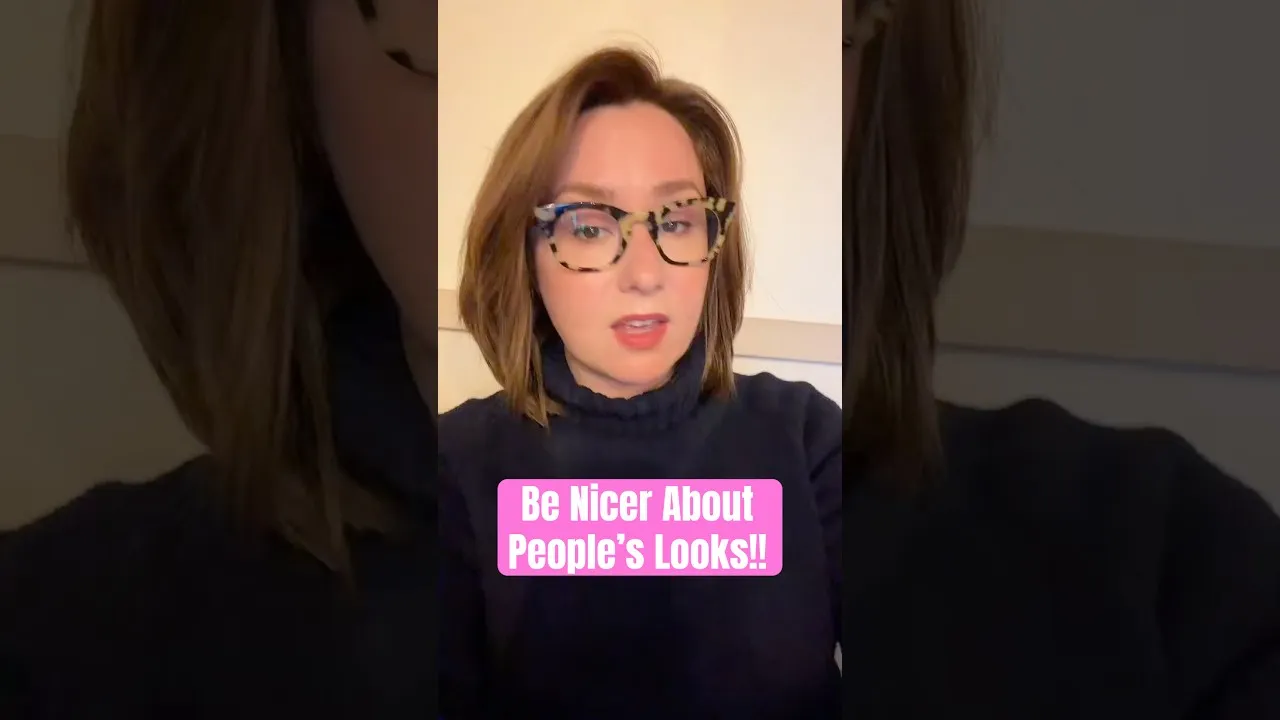
A growing trend of harsh online commentary about people’s appearances is pushing more individuals to seek cosmetic procedures, according to recent social media observations. Videos questioning why people are getting plastic surgery are often followed by clips of celebrities like Barry Keoghan, where comment sections are filled with critical remarks about his looks. This online environment creates pressure for individuals to conform to narrow beauty standards.
Users are tagging other celebrities, such as Sabrina Carpenter, in these discussions, suggesting disapproval of her dating choices based on perceived unusual looks. Another common video theme asks why women are getting Botox and facelifts, often paired with footage of Maggie Gyllenhaal. The resulting comments frequently express shock or pity about her appearance, sometimes with a condescending tone about aging gracefully at 48.
Narrow Beauty Standards Drive Demand
Many critics of these online trends argue that a significant portion of the public holds an extremely limited view of what is considered acceptable beauty. This standard often includes only two options: being naturally beautiful and young, or undergoing expensive, undetectable cosmetic work that mimics youthful perfection. Anything falling outside these strict criteria is frequently met with harsh judgment.
People who don’t meet these narrow beauty ideals or whose cosmetic work is visible are sometimes treated as if they are part of a public spectacle. This online culture appears to reflect a desire for a past era where openly mocking someone’s appearance in public was more common. The constant barrage of such negativity online is becoming an exhausting experience for many.
Market Impact and Investor Insight
The intense scrutiny and judgment of appearances online directly impact the cosmetic surgery and aesthetics market. As more people feel pressured to alter their looks to avoid criticism, the demand for procedures like Botox, fillers, and facelifts continues to rise. This trend benefits companies involved in the manufacturing of medical devices for cosmetic procedures, as well as clinics and practitioners offering these services.
For investors, this suggests a growing and resilient market. Companies specializing in aesthetic treatments and related technologies may see continued revenue growth.
The underlying driver is not just a desire for beauty, but a societal reaction to online negativity and the pursuit of acceptance in a highly critical digital world. This creates a sustained demand for services aimed at meeting stringent appearance expectations.
What Investors Should Know
The cosmetic surgery industry is experiencing significant growth, partly fueled by social media’s influence on beauty standards. Consumers are increasingly seeking procedures to either achieve flawless, youthful looks or to avoid negative online commentary about their natural appearance.
This trend benefits companies producing cosmetic surgery equipment, injectables like Botox and fillers, and providers of aesthetic services. Investors looking at this sector should consider companies with strong product pipelines and a broad range of offerings to capture different consumer demands. The market’s resilience is linked to deep-seated social pressures amplified by the internet.
Looking Ahead
The ongoing conversation about beauty standards and online judgment is likely to persist. As long as this pressure exists, the demand for cosmetic enhancements is expected to remain strong. Companies in the aesthetics sector are well-positioned to benefit from these evolving societal dynamics.
The next earnings reports from major players in the medical aesthetics field will offer further insight into the market’s continued expansion and the impact of these consumer trends. Investors will be watching for revenue figures and forward-looking statements regarding procedure volumes.
Source: Be Nicer About People’s Looks!! (YouTube)