OnlyFans Creator Grapples with Burnout Amidst Financial and Emotional Strain
A prominent OnlyFans creator, identified by the pseudonym Daisy, is reportedly experiencing severe burnout, leading her to question the sustainability and value of her content creation on the platform, despite its financial rewards. The creator revealed in a recent exchange that while her boyfriend is aware of and involved in her OnlyFans activities, the emotional and psychological toll has become overwhelming.
“Every time I go do it, I just have a complete breakdown and just cry about how much I don’t want to do it,” Daisy stated, highlighting the significant distress associated with her work. She confirmed that her account remains active, but the desire to continue has waned considerably due to the intense emotional labor involved.
Relationship Dynamics and Shared Endeavors
Adding a unique layer to her situation, Daisy disclosed that her boyfriend is not only aware of her OnlyFans career but also participates in the platform himself. “Yes, he’s known about it and we’ve just kind of made a goal to kind of push through it because we actually both do it,” she explained. This shared involvement suggests a complex dynamic where both partners are engaged in the same line of work, potentially leading to shared pressures and coping mechanisms.
The Unseen Costs of Digital Content Creation
The creator’s candid admission points to a broader conversation about the mental health implications of online content creation, particularly in industries that rely on personal image and constant engagement. While platforms like OnlyFans offer avenues for financial independence and direct audience interaction, they can also expose creators to significant psychological challenges. These can include the pressure to maintain a certain persona, the blurring of personal and professional boundaries, and the emotional impact of dealing with fan interactions and platform demands.
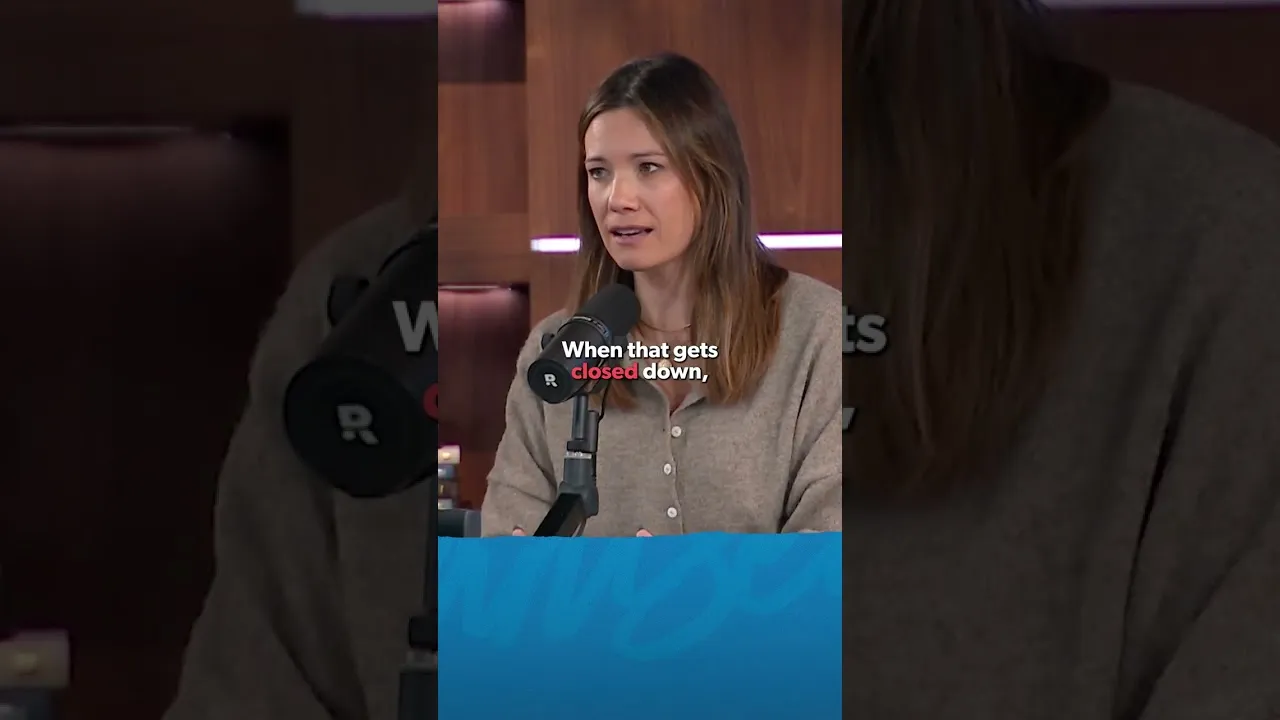
“It’s not worth the money and your your mental health, your emotional health, your relationship. When that gets closed down, there is something a dignity that gets placed back into you and who you are.”
This sentiment highlights the potential for financial success on such platforms to come at the expense of overall well-being. The advice given to Daisy emphasizes that regaining a sense of self and dignity is paramount, suggesting that the perceived benefits of the income may not outweigh the long-term personal costs.
Identity and Affirmation in the Digital Age
The discussion also touched upon the difficulty of separating one’s identity from their online work. “This is not your identity. It never was.
And I know it’s it’s hard to separate that because this is what you’ve been doing and you’ve been getting attention and affirmation and money from this. But this is not healthy in any way, shape, or form,” was the counsel provided. This highlights a common challenge for creators who build their livelihoods around personal branding, where the lines between their public persona and private self can become indistinct.
Market Impact and Investor Considerations
While this situation is specific to an individual creator, it reflects broader trends within the digital economy and the creator economy. Platforms that facilitate direct-to-consumer content, especially those with adult or niche themes, operate in a rapidly evolving market. Companies involved in this space, including the platforms themselves and associated payment processors, face scrutiny regarding creator well-being, content moderation, and ethical business practices.
For investors, understanding the sustainability of creator-driven businesses is crucial. Burnout among key content creators can lead to reduced output, platform churn, and potential reputational damage. Companies that prioritize creator support, provide resources for mental health, and foster healthier working environments may be better positioned for long-term success and stability.
The financial implications for creators are significant. While some achieve substantial income, the emotional and mental health costs can be prohibitive.
This case is a reminder that the ‘gig economy’ and the creator economy, while offering flexibility, are not without their inherent risks and demands on individual well-being. The long-term financial planning for such creators must account for potential career longevity, mental health support, and the eventual transition away from demanding content creation models.
What Investors Should Know
- Creator Sustainability: The reliance on individual creators means that their mental and emotional well-being directly impacts platform revenue and growth. High burnout rates can hinder scalability.
- Ethical Business Practices: Investors should assess how platforms and companies in the creator economy address ethical concerns, including fair compensation, working conditions, and mental health support for creators.
- Market Volatility: The creator economy can be subject to rapid shifts in trends, platform policies, and public perception, leading to inherent market volatility.
- Diversification: For creators, diversifying income streams and considering long-term career paths beyond a single platform or content type is essential for financial stability and personal well-being.
The ongoing narrative of creators grappling with the demands of their profession highlights the need for a more holistic approach to digital work, balancing financial aspirations with the fundamental requirements of mental and emotional health.
Source: She's Burnt Out from Doing OnlyFans (YouTube)