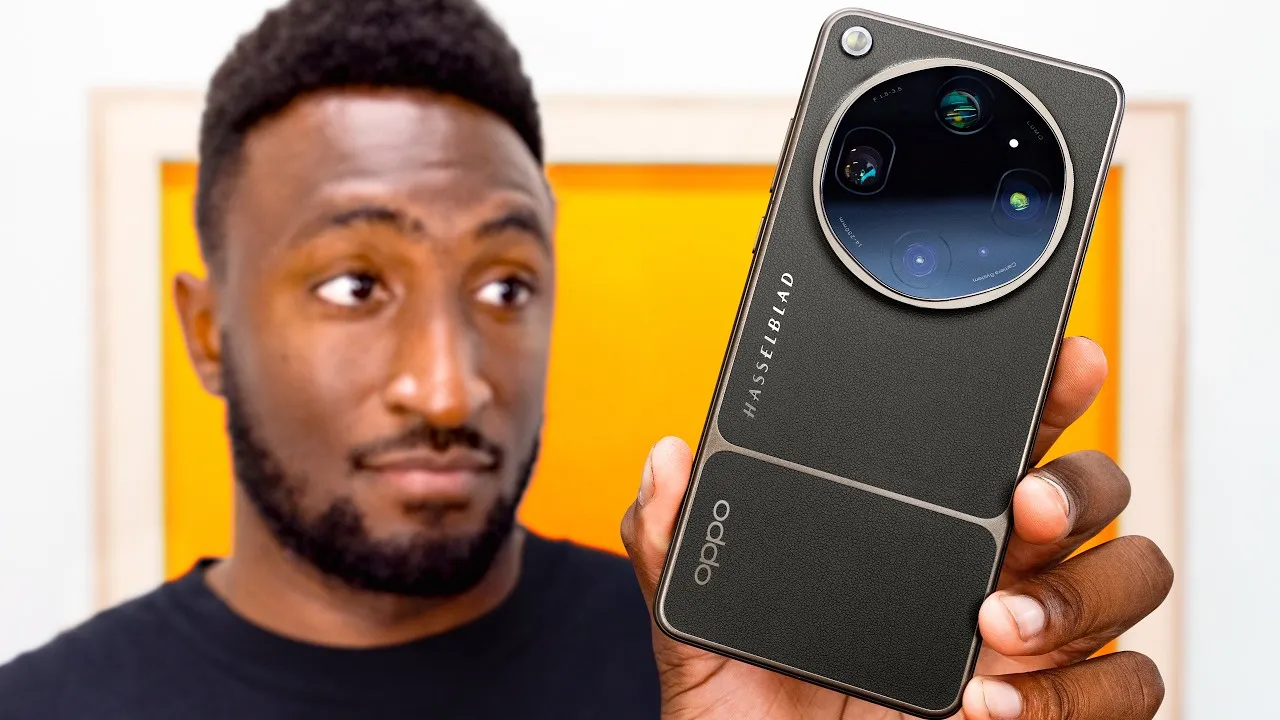
Oppo X9 Ultra Redefines Flagship, But Can We Ever Reach ‘Peak’ Smartphone?
The smartphone world is always chasing the next big thing, but the Oppo Find X9 Ultra might just represent a turning point. After testing this powerhouse for nearly a month, it’s clear this device pushes the boundaries of what a traditional “slab” phone can do. It makes even the most feature-packed competitors feel a bit… underpowered.
We’re talking about a phone with the cutting-edge Snapdragon 8 Elite Gen 5, a massive 7,050mAh battery, a stunning 6.8-inch OLED screen, and a mind-boggling 200-megapixel camera system. This isn’t just an upgrade; it’s a statement about where high-end smartphones stand today.
This leads to a fascinating question: what exactly is “peak slab phone”? It’s a moving target, always shifting with new technology. Just a few weeks ago, the Oppo Find N6 was hailed as the peak foldable phone, having seemingly ironed out all the old issues like screen creases and bulky cameras.
Now, the X9 Ultra forces us to think about that same idea for regular phones. While a better slab phone will surely arrive next year, it feels like we’ve hit a watermark in most areas, with one major exception.
The Five Pillars of a Great Smartphone
For years, the quest for a great smartphone has been guided by five key areas: display, battery, build quality, performance, and cameras. If a phone aces all five, it’s a winner.
Each of these areas has seen incredible progress, but for a long time, they all felt like they were actively chasing a singular, defining improvement. Now, many of these pillars have reached a level of excellence that feels truly complete.
Display Perfection Achieved
The desire for a great screen has always been central to smartphone design. Screens have grown larger, bezels have shrunk, and while curved edges had their moment, the industry has settled on a winning formula.
Today’s flagship displays are large, flat, incredibly bright OLED panels with high refresh rates and sharp resolutions. They feature under-display fingerprint readers and convenient hole-punch cutouts for selfie cameras.
These screens are now brilliant in any lighting condition, from harsh sunlight to dark rooms, thanks to advanced brightness controls and high-frequency PWM dimming. While manufacturers will keep pushing peak brightness and contrast numbers, for all practical purposes, the display watermark has been achieved. It’s a box checked for modern flagships.
Battery Life That Just Won’t Quit
Battery life remains a crucial concern for all smartphone users. The goal is simple: a phone that lasts all day, no matter what you throw at it.
Early 4G phones struggled, barely lasting a school day, but efficiency gains and larger batteries have changed everything. We’ve moved past the old 3,000mAh and 3,500mAh barriers, with typical flagship batteries now easily hitting 5,000mAh.
The real leap came with silicon-carbon battery technology, pushing capacities to 6,000mAh and even higher. The Oppo X9 Ultra boasts an incredible 7,050mAh battery, meaning most users will struggle to drain it in a single day. This often translates to two-day battery life for regular users, easily offering seven to eight hours of screen-on time.
And if you do manage to drain it, ultra-fast 100W wired or 50W wireless charging gets you back up and running quickly. The battery watermark has definitely been reached.
Performance and Build: Solid As Ever
When it comes to performance, high-end chips, smooth animations, and responsive displays create a great user experience. While year-over-year improvements are now most noticeable in demanding games or benchmark scores, today’s flagship performance is more than sufficient for the vast majority of users. Software updates also ensure these devices remain smooth and capable for years.
Build quality is equally impressive. We now see premium metal frames, solid construction that feels durable, and increasingly tough glass.
Added features like IP68 dust and water resistance are standard on most high-end phones. As long as the design is appealing, build quality is another watermark that has been comfortably achieved.
Cameras: The Final Frontier?
This is where things get interesting. Smartphone camera systems have become an obsession for manufacturers, often dominating product presentations.
We’ve seen phones go from tiny pinhole cameras to massive, multi-lens arrays dominating the back of the device. The current benchmark many are chasing is making a smartphone camera as good as a dedicated, regular camera.
The Oppo X9 Ultra showcases this ambition with its five-camera setup. It features a 200MP main sensor with OIS, a 200MP 3x telephoto lens (boasting the largest telephoto sensor ever in a phone), a 50MP 10x optical zoom camera with stabilization, a 50MP ultrawide, and a dedicated color sensor for accurate white balance. This hardware is, predictably, excellent, building on Oppo’s previous camera successes with tasteful processing.
However, this is where physics presents a challenge. While the X9 Ultra’s camera is incredibly versatile and capable of producing stunning shots, it highlights the difference between versatility and true professional quality.
The phone’s computational photography works hard to ensure you rarely take a bad photo, simulating effects like bokeh and lens emulation. This is a far cry from a professional camera like the Hasselblad X2D Mark II, which is a deliberate tool for specific creative control, not an all-around point-and-shoot device.
The true watermark for a great smartphone camera, then, might not be matching a professional camera, but being able to take a good photo or video reliably in almost any situation. The X9 Ultra, with its array of lenses and advanced processing, gets incredibly close to this ideal. Features like specialized lens attachments and battery grips, seen on phones like the X9 Ultra and Vivo X300 Pro, further blur the lines, offering extreme zoom capabilities and professional-style controls, even if they are mimicking the real thing.
Who Should Care About the Oppo X9 Ultra?
The Oppo Find X9 Ultra is for the tech enthusiast who wants the absolute best, regardless of price. It’s for the mobile photographer who values extreme versatility and wants to push the limits of what their phone can capture. If you’ve already mastered the other pillars of smartphone technology – display, battery, performance, and build – and are looking for the next frontier, the camera system on this phone is a compelling reason to consider it.
For most users, however, the advancements in display, battery, and performance mean that many current flagship phones are already “peak” enough for their daily needs. The X9 Ultra represents the bleeding edge, offering a glimpse into the future, particularly in mobile photography. While it may not replace a professional camera, its ability to consistently deliver great results in a pocketable form factor is undeniable.
Specs & Key Features
- Processor: Snapdragon 8 Elite Gen 5
- Display: 6.8-inch Super Bright OLED, High Refresh Rate, High Resolution
- Battery: 7,050mAh with 100W Wired and 50W Wireless Charging
- Rear Cameras: 200MP Main (OIS), 200MP 3x Telephoto, 50MP 10x Telephoto (Sensor-Shift), 50MP Ultrawide, Dedicated Color Sensor
- Build: Premium materials, IP68 dust and water resistance
- Special Features: Hasselblad co-branding, advanced computational photography, optional lens attachments
The Oppo Find X9 Ultra is available now. Pricing details can be found on Oppo’s official website.
Source: So This is Peak Smartphone (YouTube)