Parents Set Firm Deadline for Adult Child to Move Out
In a clear move towards fostering financial independence, some parents are taking a decisive step: requiring their adult children to move out and establish their own living situations. This approach, often born out of necessity and a desire for the child’s long-term well-being, involves setting a firm deadline and providing limited, upfront financial support to ease the transition.
The core of this strategy is a direct conversation. Parents sit down with their adult child and state clearly, “This has gone on long enough. We have decided that you are moving out.” The emphasis is not on a desire to see the child leave, but on a firm decision that the time has come for them to find their own place. The target date is usually the end of the current month, pushing the child to secure independent housing.
Addressing Financial Realities
Recognizing that the adult child may have little to no savings, parents can choose to offer specific, time-limited financial assistance. One common method is to offer to cover the first and last month’s rent. This payment, which would be a set amount (e.g., $X), acts as a crucial stepping stone to securing an apartment. However, parents make it unequivocally clear that all subsequent living expenses, such as utilities, food, and personal costs, are entirely the responsibility of the adult child.
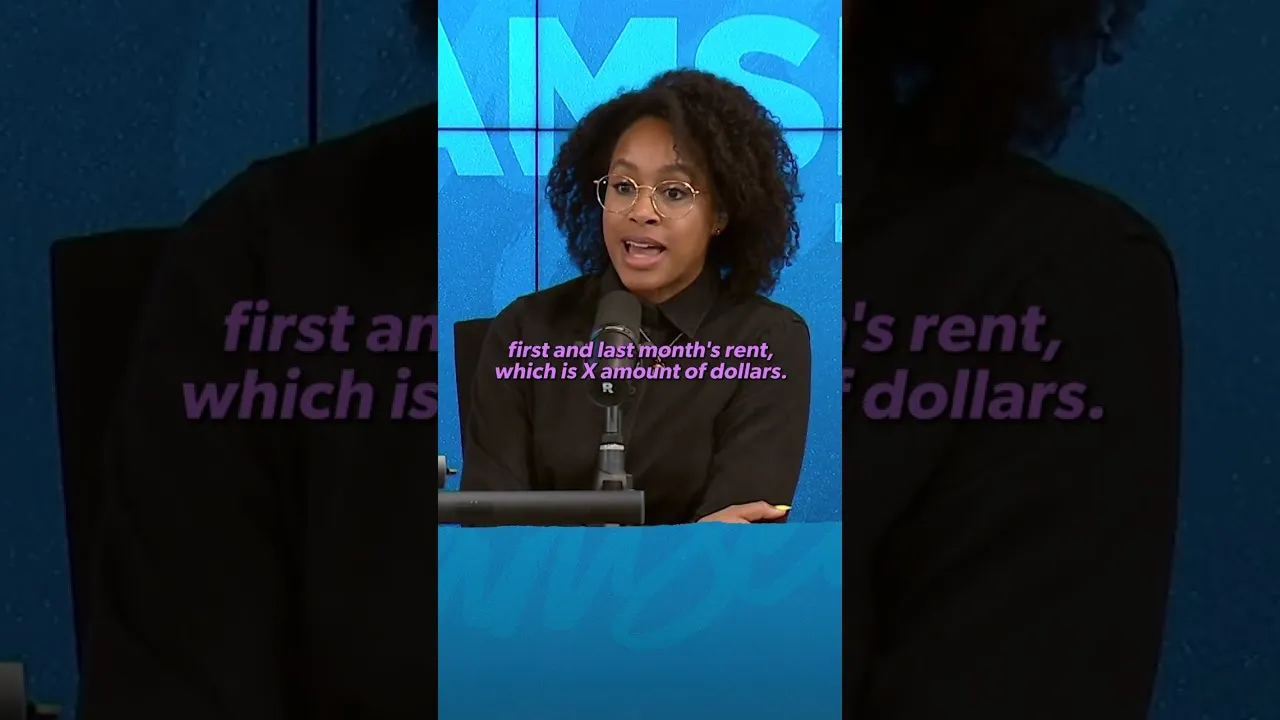
This boundary is critical. Parents communicate, “We know that you don’t have any money, so we are willing to pay first and last month’s rent, which is X amount of dollars. No more than that.” They express full confidence in the child’s ability to manage their finances moving forward. A stern warning follows: “Please do not come and ask for any money because we will not be giving it to you.” The message must be “crystal clear.” Parents often frame this decision with love, stating, “I love you, but this has to stop for your good and for ours.” This is presented as the final conversation on the matter.
Anticipating Reactions and Maintaining Resolve
The conversation is likely to be met with strong emotional reactions. The transcript acknowledges, “She’s going to yell and kick and scream.” Parents are advised to remain firm in their decision, even in the face of protest. The advice given is to then go to bed and sleep soundly, suggesting a sense of peace that comes from taking necessary, albeit difficult, action for the long-term benefit of everyone involved.
Market Impact
While this scenario is personal, it reflects broader economic trends. A growing number of young adults are facing financial challenges, including high housing costs and student loan debt, making it difficult to achieve financial independence. This strategy by parents, though challenging, can be seen as a catalyst for young adults to confront their financial realities and actively seek employment and budgeting solutions. It indirectly influences the rental market as these individuals seek apartments and the consumer goods market as they begin to manage their own household expenses. The success of this approach depends heavily on the individual’s ability to secure stable employment and manage their budget effectively, which can be influenced by local job markets and economic conditions.
What Investors Should Know
For investors, this trend highlights shifts in consumer behavior and household economics. The need for affordable housing solutions and financial literacy programs may increase. Companies focused on budgeting apps, financial planning services, and potentially entry-level housing or shared living arrangements could see growing demand. On a larger scale, it reflects the ongoing economic pressures on younger generations, which can impact spending patterns and the demand for various goods and services. Understanding these household-level decisions provides insight into consumer confidence and the long-term trajectory of spending in sectors like retail, housing, and personal finance.
This method of encouraging independence, while emotionally taxing, aims to equip adult children with the essential life skills needed to thrive financially. It’s a difficult conversation, but one that can lead to greater self-sufficiency and stability for the individual, while also allowing parents to regain control of their household finances and personal peace.
Source: "Help Me Kick My Daughter Our of the House" (YouTube)