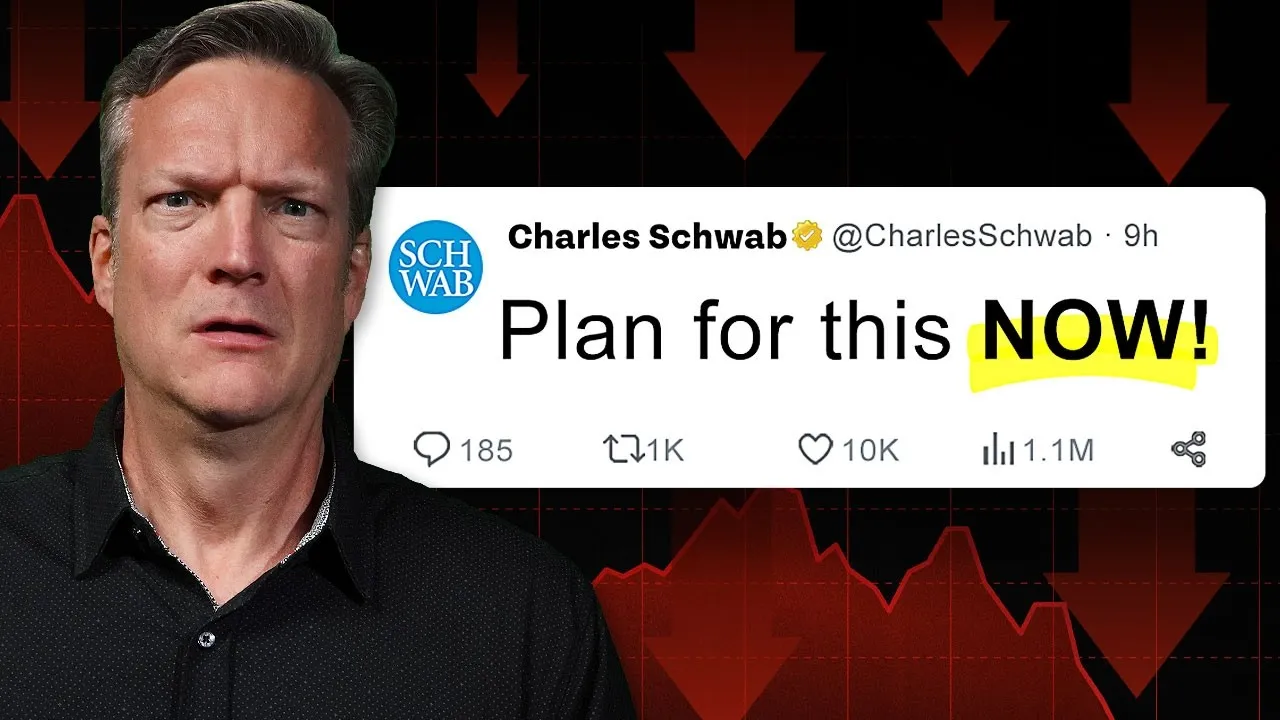
Recession Fears Grip Markets, Experts Advise Proactive Steps
Concerns about a potential recession are mounting, prompting financial experts Brian Preston and Bo Hanson to urge investors to take immediate action. The duo, known for their practical financial advice, highlighted key economic signals that suggest a downturn may be on the horizon. They emphasize that understanding these signs and preparing accordingly is crucial for safeguarding one’s financial future.
Economic Indicators Signal Caution
Preston and Hanson pointed to several indicators that are causing worry among market watchers. While specific data points were not detailed, the general sentiment suggests a weakening economic outlook. This often involves looking at things like consumer spending, business investment, and employment figures.
When these start to slow down, it can be a sign that the economy is heading for a slowdown, or recession. A recession is generally defined as a significant decline in economic activity spread across the economy, lasting more than a few months.
The Importance of a Financial Plan
The core message from the financial experts is the critical need for a well-defined financial plan. They stress that having a roadmap is essential, especially during uncertain economic times. This plan should outline your financial goals, your current situation, and the steps you need to take to reach your objectives.
Without a plan, it’s easy to make emotional decisions when markets become volatile. A solid plan acts as a guide, helping investors stay focused on their long-term objectives.
Reviewing Your Portfolio and Risk Tolerance
A key recommendation involves a thorough review of one’s investment portfolio. This means looking at what you own and how it aligns with your comfort level for risk. Preston and Hanson advise assessing how much risk you are willing and able to take.
If a recession hits, certain investments may perform poorly. Understanding your risk tolerance helps you make adjustments to protect your capital. This might involve shifting to more conservative investments or ensuring your portfolio is well-diversified.
Diversification is like not putting all your eggs in one basket. It means spreading your investments across different types of assets, industries, and geographic regions. If one area of the market struggles, others may hold steady or even grow, helping to cushion the blow.
Building an Emergency Fund
The experts also emphasized the importance of a robust emergency fund. This is money set aside specifically for unexpected expenses, such as job loss, medical bills, or major home repairs. Having readily available cash can prevent you from having to sell investments at a loss during a market downturn.
They suggest aiming for at least three to six months of living expenses in an emergency fund. This provides a crucial safety net.
Long-Term Perspective Remains Key
Despite the short-term concerns about a potential recession, Preston and Hanson reiterated the importance of maintaining a long-term perspective. They noted that markets have historically recovered from downturns. Staying invested through volatile periods, based on a sound financial plan, is often more beneficial than trying to time the market.
Timing the market means trying to predict exactly when to buy and sell investments to maximize profits. This is incredibly difficult to do successfully.
Market Impact and Investor Strategy
The current market sentiment reflects growing anxiety about economic growth. Investors are watching inflation data, interest rate decisions from central banks, and geopolitical events closely. These factors can all influence market direction.
For investors, the immediate focus should be on risk management and ensuring their financial plan is up-to-date. This includes reviewing asset allocation, which is how an investment portfolio is divided among different asset categories, like stocks, bonds, and cash.
A well-balanced asset allocation, aligned with an individual’s risk tolerance and time horizon, is paramount. The time horizon refers to how long you plan to keep your money invested before you need it. Shorter time horizons often call for more conservative investments, while longer horizons can accommodate more risk.
What Investors Should Know
In the face of potential economic headwinds, proactive financial planning is not just advisable; it’s essential. Investors should take this time to:
- Review and update their financial plan.
- Assess their risk tolerance and adjust their portfolio accordingly.
- Ensure they have an adequate emergency fund.
- Focus on long-term investment goals rather than short-term market fluctuations.
By taking these steps, individuals can better position themselves to navigate potential economic challenges and continue working towards their financial independence.
Source: A Recession is Imminent? Do This Now. (YouTube)