Millions Receive Tax Refunds: Experts Advise Smart Financial Moves
As tax season winds down, millions of Americans are set to receive tax refunds, a welcome financial boost. Financial experts are urging recipients to approach these funds strategically, prioritizing essential financial health before considering discretionary spending. The advice centers on building a safety net, eliminating costly debt, and securing long-term retirement goals.
Build Your Emergency Fund First
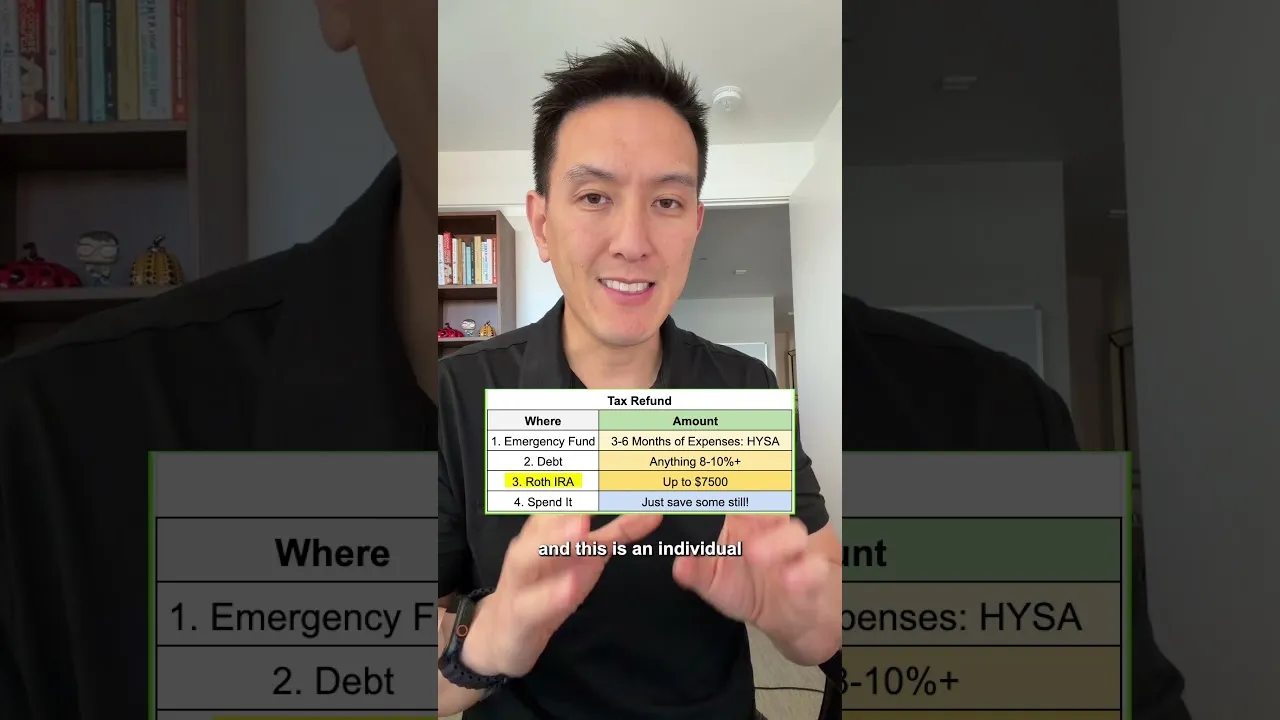
The top priority for any tax refund should be establishing or bolstering an emergency fund. This fund acts as a crucial safety net for unexpected life events, such as job loss or medical emergencies. Experts recommend saving enough to cover three to six months of living expenses. For instance, if your monthly expenses total $2,500, your emergency fund should ideally range from $7,500 to $15,000. This money should be kept in an easily accessible, high-yield savings account, separate from everyday checking accounts, and only used for true emergencies.
Tackle High-Interest Debt
Once a solid emergency fund is in place, the next crucial step is to aggressively pay down high-interest debt. This typically includes credit card debt or personal loans with interest rates exceeding 8% to 10%. Carrying high-interest debt can significantly hinder financial progress, as the interest paid often outweighs potential investment gains. Using a tax refund to reduce this debt can save a substantial amount of money over time and improve your overall financial standing.
Invest in Retirement with a Roth IRA
For those who have their emergency fund fully funded and high-interest debt under control, the next strategic move is to start or increase contributions to a Roth IRA. A Roth IRA is a type of individual retirement account that allows investments to grow tax-free. This means you won’t pay taxes on your earnings when you withdraw them in retirement. For 2026, the contribution limit for a Roth IRA is set at $7,500. Within a Roth IRA, investors can choose to buy low-cost exchange-traded funds (ETFs) that mirror market performance, such as those tracking major indexes, or a mix of individual stocks.
Enjoying Your Refund Responsibly
If all the above financial priorities are met, individuals can feel guilt-free about spending a portion of their tax refund. However, even then, responsible budgeting is advised. If your refund is $1,000, consider spending no more than $200, allocating the remaining $800 towards savings, debt repayment, or investments. This balanced approach ensures that you can enjoy some of your refund while still making progress on your financial goals.
Market Impact
The collective impact of millions of individuals strategically using their tax refunds can be significant. Increased savings contribute to greater financial stability across households, potentially reducing reliance on credit and government assistance during economic downturns. Aggressively paying down high-interest debt can free up consumer spending power in the medium term. Furthermore, increased contributions to retirement accounts like Roth IRAs boost long-term investment capital, which can support market growth and provide individuals with greater financial security in their later years. While individual refunds may seem small, their cumulative effect on savings rates, debt reduction, and investment flows is noteworthy for the broader economy.
What Investors Should Know
For investors, understanding how tax refunds are being utilized provides insight into consumer financial behavior. A strong focus on emergency funds and debt reduction suggests households are prioritizing stability, which can lead to more consistent spending patterns in the future. Increased investment in Roth IRAs, especially in low-cost ETFs, indicates a growing trend towards long-term wealth building and a potential inflow of capital into equity markets. While not a direct market driver, this widespread responsible financial planning contributes to a healthier economic environment, which generally benefits investors over the long haul. It signals a more financially resilient population, better prepared for market fluctuations.
Source: 4 Things You Should Do With Your Tax Refund (In Order) (YouTube)