Trains Trade Iconic Sound for Smoother, Faster Rides
Remember the rhythmic clickety-clack of a train moving down the tracks? That familiar sound, once a staple of rail travel, has largely vanished from modern train lines. This change isn’t just about nostalgia; it’s proof of engineering advancements that allow trains to travel faster and more smoothly than ever before.
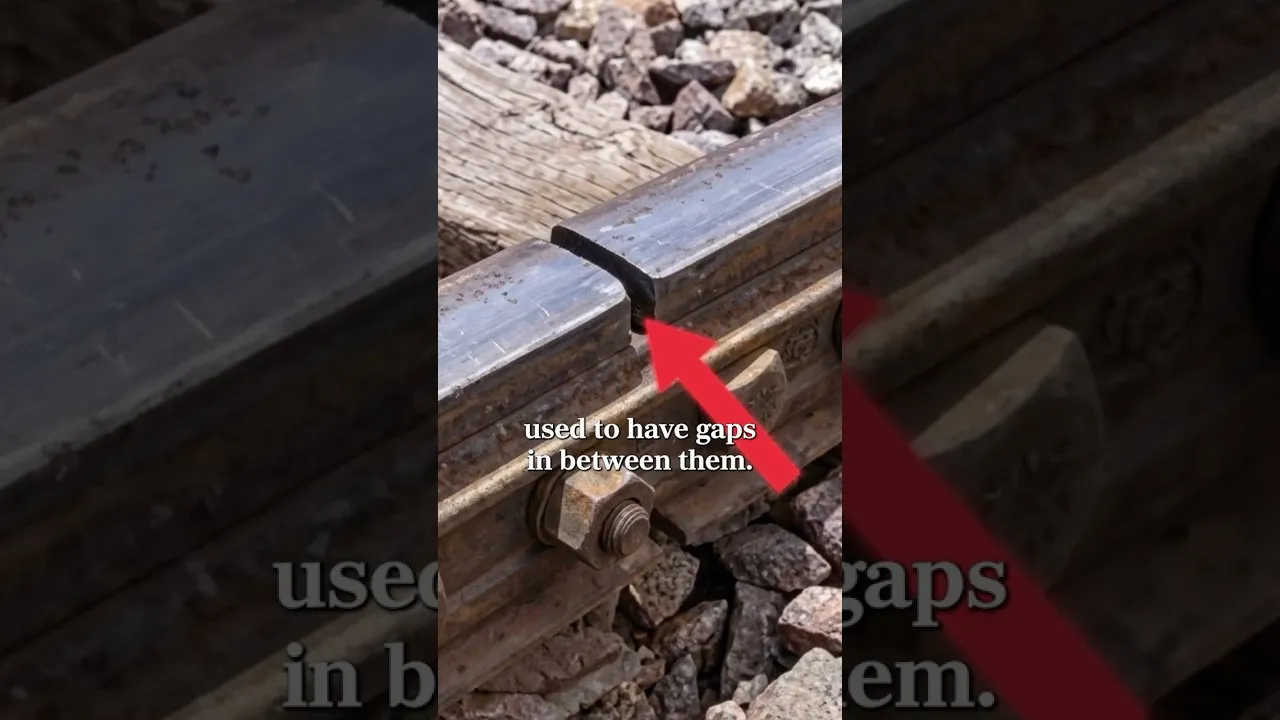
The classic sound was created by gaps intentionally left between sections of steel track. These gaps allowed the rails to expand and contract with changes in temperature. As the train wheels passed over these gaps, they created that distinctive ‘tuck tuck’ noise that many people associate with train journeys.
The Science Behind the Silence
However, these gaps presented a significant problem: they limited the speed at which trains could safely travel. The jolting motion caused by the wheels hitting the gaps put stress on the train and the tracks. To overcome this limitation, engineers developed a solution that eliminated the gaps altogether.
Today’s train tracks are made of long, continuous rails that are welded together. This creates a seamless journey for the train, allowing for much higher speeds and a smoother ride for passengers. But this innovation brought a new challenge: what happens when the metal rails expand due to heat?
Jagged Rocks: The Unsung Heroes of Track Stability
Without the gaps, expanding steel rails would build up immense internal pressure. If left unchecked, this pressure could cause the tracks to violently buckle, creating a dangerous situation. This is where the seemingly simple, jagged rocks beneath the tracks play a key role.
The tracks are secured to what are called sleepers, which are then embedded in a bed of these jagged stones, also known as ballast. The irregular shapes of these rocks allow them to interlock with each other, creating a massive amount of friction. This friction firmly holds the sleepers and the rails in place, preventing them from shifting.
How Friction Keeps Trains on Track
When the steel rails expand and push against the sleepers, the interlocking ballast resists this movement. This resistance is what keeps the tracks straight and stable, even under the immense pressure caused by temperature changes. It’s a clever system that ensures safety while enabling faster train speeds.
Imagine trying to stack smooth, round pebbles versus rough, jagged rocks. The smooth pebbles would easily roll and shift, while the jagged rocks would lock together, creating a stable foundation. This is precisely how the ballast works to keep train tracks secure.
The Future of Rail and Sound
If the rocks were smooth and round, the vibrations from passing trains would cause them to slide. This movement could lead to the tracks buckling over time, compromising safety. The jagged nature of the ballast is therefore essential for the integrity of modern, high-speed rail lines.
While the comforting clickety-clack may be gone, it has been replaced by a more efficient and safer mode of transportation. Engineers continue to refine track designs and materials, but the fundamental principles of friction and stability, embodied by those jagged rocks, remain key to keeping trains running smoothly and safely into the future.
Source: Why don't trains make *that* sound anymore? (YouTube)