Learn to Create Your Own Websites from Scratch
This guide will walk you through the basics of building websites, even if you’ve never coded before. You’ll learn how to get started with HTML and understand why starting simple is often the best way to learn.
What You’ll Learn
This article will help you understand the core concepts of web development. We’ll cover the importance of starting with fundamental tools and how to embrace the learning process. You’ll also get an introduction to a free program designed to help you learn web development in a supportive community.
Prerequisites
- A computer with internet access.
- Curiosity and a willingness to learn.
Step 1: Understand the Web Development Journey
Learning to build websites can seem overwhelming, but it doesn’t have to be. Many people feel pressured to learn many new tools and frameworks all at once. This can make the process feel much harder than it needs to be.
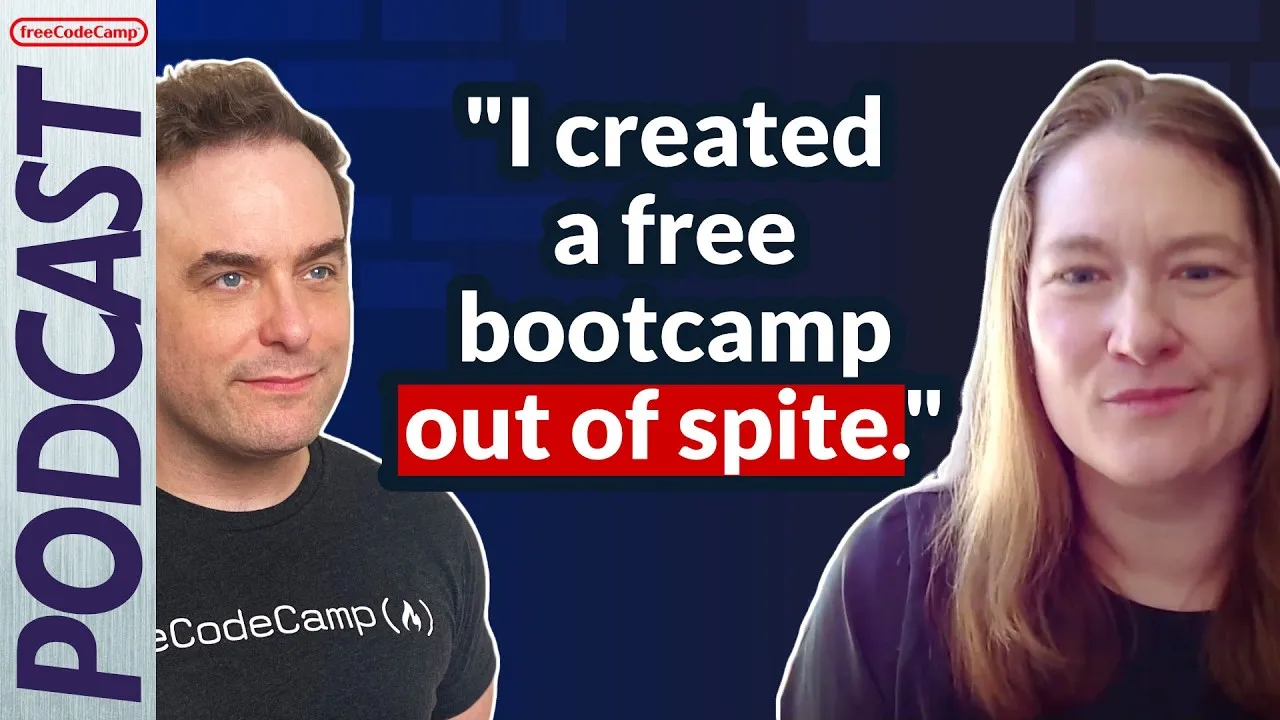
Jessica Rose, a developer and teacher, notes that the constant promotion of new tools can be tiring. She believes that focusing on the basics first is a more effective way to learn. This approach helps build a strong foundation before moving on to more complex topics.
Step 2: Embrace the “Bad Website Club” Philosophy
The “Bad Website Club” is a free online program that encourages learning by doing, even if your first attempts aren’t perfect. The idea is to create a relaxed environment where you can experiment and learn without the pressure of perfection.
The name itself, “Bad Website Club,” is intentional. It acknowledges that the learning process can be messy and imperfect.
By embracing this, learners can feel more comfortable making mistakes and learning from them. This approach helps reduce the stress often associated with learning new technical skills.
Step 3: Start with the Fundamentals
In the early days of the web, building a website was much simpler. You could often use basic HTML or simple website builders. While technology has advanced significantly, the core principles remain important.
Jessica Rose explains that she’s “tool agnostic,” meaning she doesn’t get too attached to any specific tool. Instead, she focuses on the underlying concepts.
Innovations like WebAssembly (WASM) are exciting because they allow different programming languages to run on the web. However, she also recognizes that there’s a lot of new technology, and it’s easy to feel overwhelmed.
Step 4: Why Hands-On Learning Works Best
Trying to learn without actually doing the work can be like using a calculator for every math problem without understanding the steps. You might get the right answer, but you won’t truly learn the process.
Jessica compares this to having a teacher’s edition of a textbook with all the answers. If you just look up the answers, you don’t practice recalling information or solving problems yourself. The struggle and the eventual breakthrough of figuring something out are crucial parts of learning.
Step 5: Building Confidence Through Practice
The “Bad Website Club” focuses on building foundational skills. The program uses the Free Code Camp curriculum for responsive web design. This provides a structured learning path.
The program offers live-streamed lessons from Monday to Friday. These sessions help explain tricky concepts and provide a space for questions. The goal is to help learners unblock themselves when they get stuck, whether by looking things up, asking someone, or experimenting.
Step 6: The Power of Community and Human Help
While AI tools can quickly provide answers, they don’t replace the value of learning from humans. AI models are trained on vast amounts of data, and this data isn’t always accurate or reliable. Advice from AI can be delivered with confidence, but it might still be incorrect.
Learning from human instructors and peers offers a different kind of support. You can discuss problems, get personalized feedback, and learn from others’ experiences.
This collaborative approach can make the learning process more engaging and effective. A study by Microsoft and Carnegie Mellon even suggested that people who are more skeptical of AI tend to engage their critical thinking more.
Step 7: Overcoming Hesitations
Some people might feel hesitant to join a community learning program. They might worry about not being good enough or keeping up with others. It’s natural to feel intimidated when learning something new.
The “Bad Website Club” is designed to be laid-back and supportive. There are no grades or pass/fail requirements. Learners can participate at their own pace.
Even if you miss sessions or need to take a break, your progress isn’t lost. The community is there to support you, not to judge you.
Step 8: Join the “Bad Website Club”
The “Bad Website Club” is a free program that starts on April 24th and runs until July 3rd. It offers a supportive environment to learn front-end development. You can join the weekly lessons, participate in live streams, and connect with other learners.
Jessica Rose, along with volunteers Carmen and Eda, leads the program. Eda herself was a student in the first cohort and is now an instructor.
This shows the program’s commitment to fostering growth within its community. If you’re looking to start your web development journey in a friendly and low-pressure setting, this is a great place to begin.
Next Steps
The “Bad Website Club” begins its next cohort on April 24th. You can sign up and find more details through the Free Code Camp community channels.
Source: How to friction-max your learning with software engineer Jessica Rose [Podcast #216] (YouTube)