Detect Cancer Years Earlier with Advanced Imaging Insights
New advancements in medical imaging are poised to revolutionize how we detect and manage diseases, potentially identifying serious conditions like cancer years before symptoms appear. This shift moves healthcare from a reactive model, where treatment begins after illness strikes, to a proactive one, focusing on early detection and prevention.
Dr. Daniel K. Sodex, a leading figure in radiology and innovation, explains that modern imaging technologies, from X-rays to MRIs, are powerful tools that extend our senses, allowing us to see inside the body without invasive procedures. These tools are becoming increasingly sophisticated, offering unprecedented insights into our health.
The Evolution of Medical Imaging
Historically, medical imaging began with X-rays, which provided a basic view of internal structures. While groundbreaking, early uses, like X-ray shoe fittings or acne treatments, proved harmful due to radiation exposure. Later developments like CT scans, ultrasounds, and MRIs offered more detailed views, enabling doctors to diagnose diseases and guide surgeries more effectively.
Dr. Sodex likens the current leap in imaging to the invention of the telescope. It’s not just a small improvement; it’s a fundamental change in how we understand and interact with the world, or in this case, our own bodies. This evolution allows us to “slice” through the body digitally, revealing details without any physical cuts.
Shifting from Reactive to Proactive Healthcare
Traditionally, medical imaging has been used reactively – a patient experiences a symptom, and then a scan is ordered to find the cause. For example, a stomach ache might lead to an MRI of the abdomen. However, this approach often means diseases are detected at later, more advanced stages, making treatment more challenging and less effective.
The new perspective, championed by Dr. Sodex and others, advocates for proactive imaging. This involves using imaging technologies not just to find existing problems, but to establish a baseline of normal health and monitor for subtle changes over time. This is similar to how lab tests, like blood sugar or PSA levels, are tracked longitudinally to catch potential issues early.
Addressing the Challenge of False Positives
A significant hurdle in proactive imaging has been the concern over “false positives.” This occurs when an imaging scan reveals something that appears abnormal but turns out to be harmless, leading to unnecessary anxiety, further testing, and costs. Early imaging technologies and interpretation methods sometimes generated these “red herrings.”
Dr. Sodex’s research, particularly from his time at NYU, highlights how artificial intelligence (AI) combined with longitudinal data can dramatically reduce false positives. By feeding AI models not just current scans but also previous images and other health data (like lab tests and clinical history), the system can learn what is normal for an individual over time. This context helps distinguish between a true anomaly and a benign variation, significantly lowering the false positive rate from as high as 64% to below 10% in some studies.
The Power of Longitudinal Imaging and AI
The core idea is to view imaging as a continuous process rather than a one-time snapshot. By collecting a series of images over months or years, healthcare providers can track biological changes. This approach allows for the detection of diseases like cancer or even neurodegenerative conditions like Alzheimer’s potentially decades before symptoms manifest.
AI plays a key role in analyzing this vast amount of data efficiently. It can identify subtle patterns and deviations that might be missed by the human eye, especially when comparing images from different time points. This integration of AI with historical imaging data is a key aspect of what is termed “medical intelligence.”
Making Imaging More Accessible and Faster
The cost and speed of imaging have also been barriers to widespread proactive use. However, advancements are making these technologies more affordable and quicker. The cost of a full-body MRI, for instance, is reportedly dropping significantly, making it more accessible than ever before.
Intriguingly, future scans could become even faster. Research suggests that if a system has previous scans of a patient, it can use AI to generate a high-quality new scan using significantly less data – potentially 20 to 30 times faster. This is because the AI already understands the individual’s baseline anatomy, requiring less raw data collection for subsequent scans.
Establishing a Personal Health Dashboard
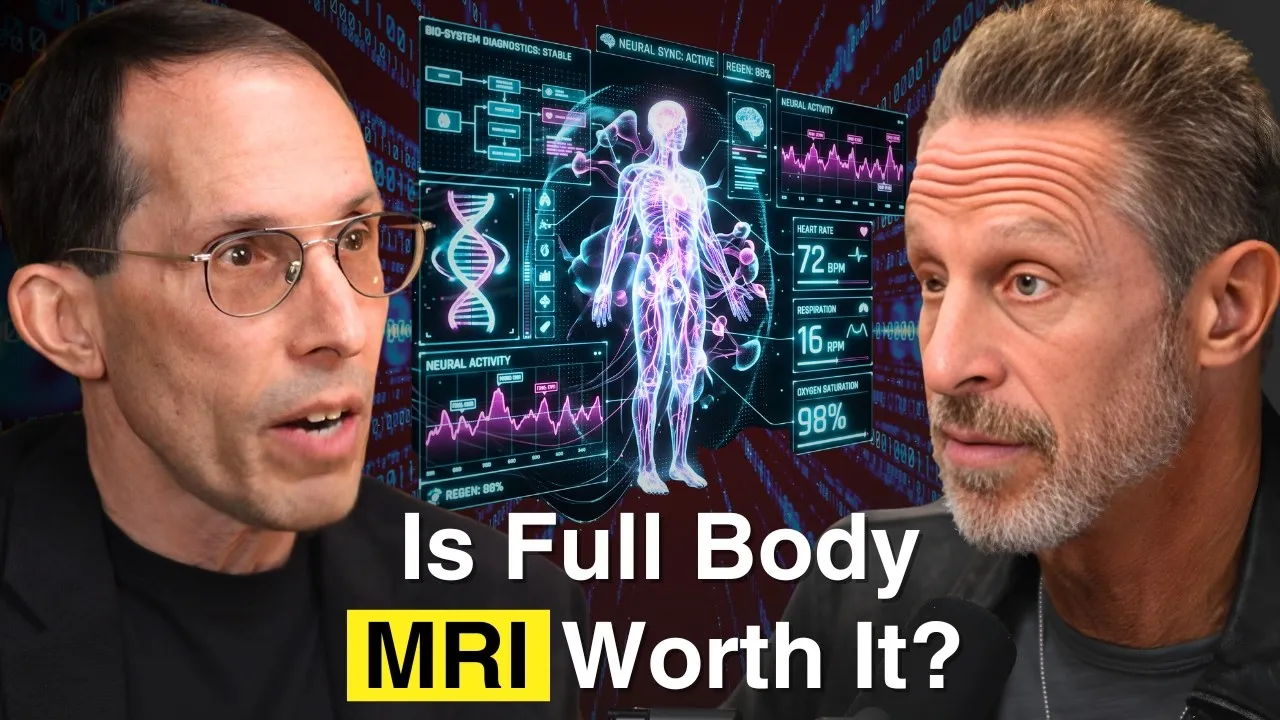
The ultimate goal is to create a comprehensive “dashboard” for personal health, much like a car’s dashboard provides information about its performance. This would integrate imaging data with lab results, genetic information, and wearable device data to provide a holistic view of an individual’s health status over time.
This proactive, data-driven approach aims to empower individuals with knowledge about their bodies, enabling them to make informed decisions about their health, prevent diseases, and live longer, healthier lives. The vision is to move beyond simply treating sickness to actively promoting wellness and longevity.
Key Health Takeaways
- Medical imaging technologies are rapidly advancing, enabling earlier disease detection.
- A shift towards proactive, rather than reactive, healthcare is underway, using imaging to monitor health over time.
- AI and longitudinal data analysis can significantly reduce false positives in imaging scans.
- Establishing a baseline and tracking changes can help identify diseases like cancer years before symptoms appear.
- Future imaging may become faster, cheaper, and integrated into a comprehensive personal health data system.
This information is for educational purposes and should not be considered medical advice. Always consult with a qualified healthcare professional for any health concerns or before making any decisions related to your health or treatment.
The future of medical imaging promises a more informed and empowered approach to health, with ongoing research aiming to make these advanced tools even more accessible and effective for everyone.
Source: We Can Detect Cancer Years Earlier — So Why Aren’t We? (YouTube)