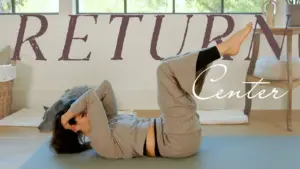
Feeling overwhelmed or frazzled? A gentle yoga practice can help calm an overstimulated nervous system.
This approach focuses on slow movements and mindful breathing to bring you back to a state of balance. Even without special equipment, you can find relief and reconnect with yourself.
Ease Overwhelm with Gentle Yoga Poses
When your mind and body feel overloaded, simple, grounding movements can make a big difference. This practice invites you to slow down and pay attention to your breath and body.
You can use props like blankets or pillows for comfort, but they are not essential. The most important tool is your intention to find calm.
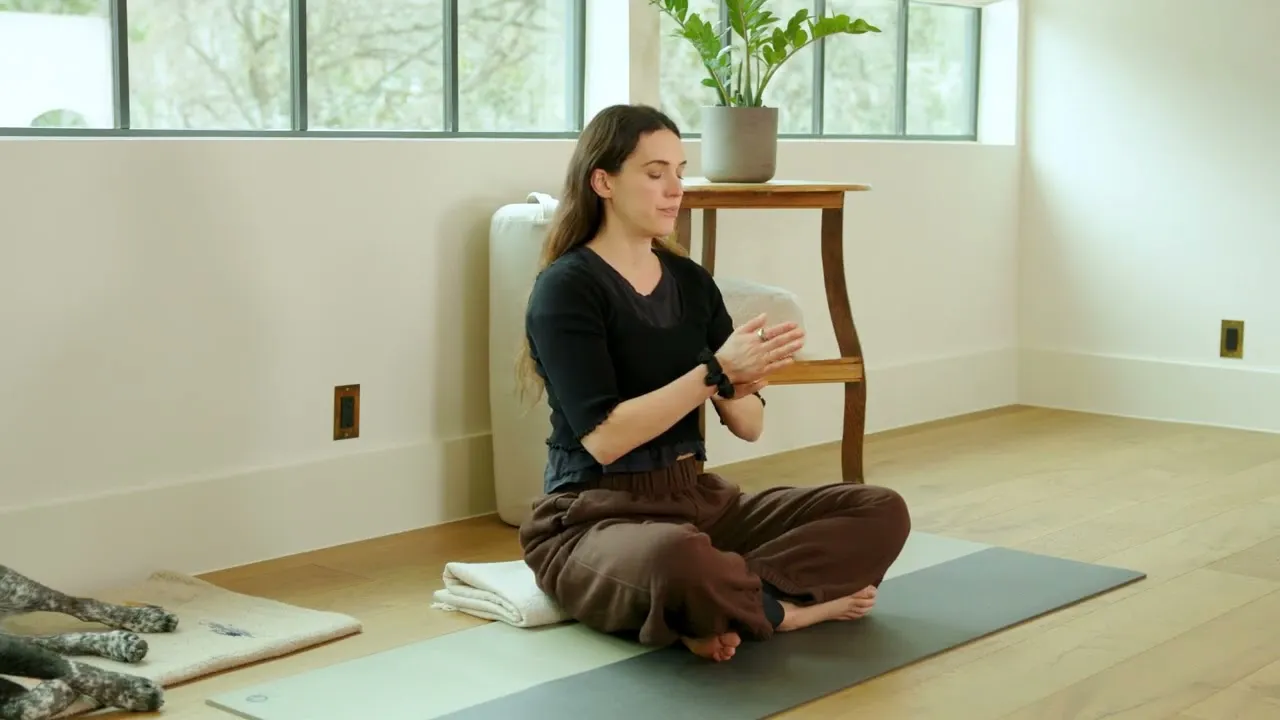
Start by sitting comfortably on the floor. Bring your palms together at your heart in a prayer position.
Take a deep breath and let your gaze soften, looking just past your nose. This gentle focus can help quiet a busy mind.
As you move your hands slowly back and forth, feel the sensation of your own touch. This simple action can be grounding.
If you feel a bit chilly or need a little more energy, you can speed up the movement slightly to create warmth. Otherwise, a slow, steady pace is perfect for calming down.
Notice any difficulty you might have with this soft focus and slow movement. It’s okay if it feels challenging when you’re overstimulated.
Acknowledging this is a sign of self-awareness. Simply showing up for yourself is a significant step.
Connect with Your Body Through Touch and Breath
Bring your hands back to your heart space. Feel how the touch can physically lift your chest. Let your shoulders relax down.
Then, gently cup your hands over your eyes, or simply rest your fingertips near them. This can help block out external stimuli and encourage inner focus.
If cupping your hands over your eyes doesn’t feel right or safe for you today, that’s perfectly fine. You can return to the soft gaze down past your nose. The key is to find what supports your sense of safety and ease in this moment.
Now, begin to deepen your breath slightly. There’s no need for anything intense or fast.
The goal is simply to bring more attention to your breath. Feel each inhale and exhale, noticing how it affects your body.
Gentle Stretches for Spinal Release
Release your arms to your sides. You can maintain the soft focus or gently close your eyes, using the sound of the voice as your guide.
Press one palm into the earth for a side body stretch. Reach the opposite fingertips up towards the sky, moving slowly and deliberately, as if you were moving through water.
Feel your breath moving your body during this stretch. Notice the subtle sensations with each inhale and exhale. Then, bring your hand to rest on your opposite knee.
Gently twist your spine, keeping the movement small and controlled. Avoid any forceful cranking or pushing.
Return to center and repeat the side body stretch and gentle twist on the other side. This sequence helps to release tension in the spine and encourage a sense of spaciousness. Always move with kindness towards your body.
Circular Movements for Fluidity
Come back to a comfortable seat. Place your palms on your knees and begin to move your torso in a circular motion.
Lean forward, circle to one side, then round your back, and circle to the other side. Move slowly, like you’re moving through water.
Maintain your soft focus or keep your eyes closed. Feel the warmth of your palms on your knees and the gentle movement through your spine.
This fluid motion can help to release stored tension. Reverse the direction of your circles to explore the movement in both directions.
As you complete your circles, bring your body back to a neutral, upright position. Aim to stack your head over your heart center, and your heart center over your pelvis.
This alignment promotes a sense of centeredness. Trust your body’s felt sense to guide you into this position.
Calming the Nervous System with Seated Forward Fold
Extend your legs out in front of you. Sitting on a blanket or block can make this pose more comfortable, especially if your hamstrings feel tight. This elevation helps tilt the pelvis slightly forward, allowing your belly to rest closer to your thighs.
Inhale to sit up tall. As you exhale, gently lean your heart forward, folding into a seated forward bend.
Allow your head to relax. There’s no need to force anything; find a version that feels accessible and calming for your body.
Stay here for about five cycles of breath. Focus on your breath and maintain your soft gaze or closed eyes. This forward fold can have a quieting effect on the nervous system, promoting a sense of release and surrender.
Restorative Poses for Deep Relaxation
Slowly transition to lie down on your back. Hug your knees into your chest, feeling a gentle compression in your low belly.
This hug can be very soothing. Allow your shoulders and jaw to relax.
Bring one foot to the ground and extend the other leg up towards the sky. You can keep your head relaxed on the floor or gently lift your head and shoulders towards your knee for a slight variation. Hold for a few breaths, then switch legs.
If you have a block, you can place it under your lower back for a supported bridge pose, often called Legs-Up-the-Wall. This gentle inversion can help calm the nervous system and promote relaxation. If you don’t have a block, simply lie on the firm ground, feeling supported.
Finally, bring the soles of your feet together and let your knees fall open, or place a strengthen or pillow under your knees for support. You can also place a blanket or pillow under your head or on your hips. This shape, known as Reclined Bound Angle Pose, is deeply restorative.
Take a deep breath in, and as you exhale, allow your body to soften and release. Let go of any tension you might be holding.
Allow your breath to find its natural rhythm. Quiet your body and quiet your mind.
Key Health Takeaways
- Gentle, slow yoga movements can effectively calm an overstimulated nervous system.
- Focusing on breath awareness and the sensation of touch can promote grounding and reduce feelings of overwhelm.
- Simple seated poses, gentle twists, and fluid circular movements can release physical tension.
- Restorative poses like seated forward folds and supported reclined positions offer deep relaxation and nervous system regulation.
- Props like blankets or blocks can enhance comfort and support, but are not necessary for practice.
This practice is suitable for anyone feeling overwhelmed, stressed, or overstimulated by daily life. It’s particularly beneficial for individuals who experience anxiety or sensory overload. Remember to listen to your body and modify poses as needed.
This information is for educational purposes and is not a substitute for professional medical advice. Always consult with your doctor or a qualified healthcare provider before making any decisions about your health or treatment.
Continue to practice these techniques whenever you feel the need for calm and centeredness. Even a few minutes of mindful movement can make a significant difference in how you feel throughout the day. Find a comfortable position and stay for as long as feels right.
Source: Yoga For When You Are Overstimulated (YouTube)