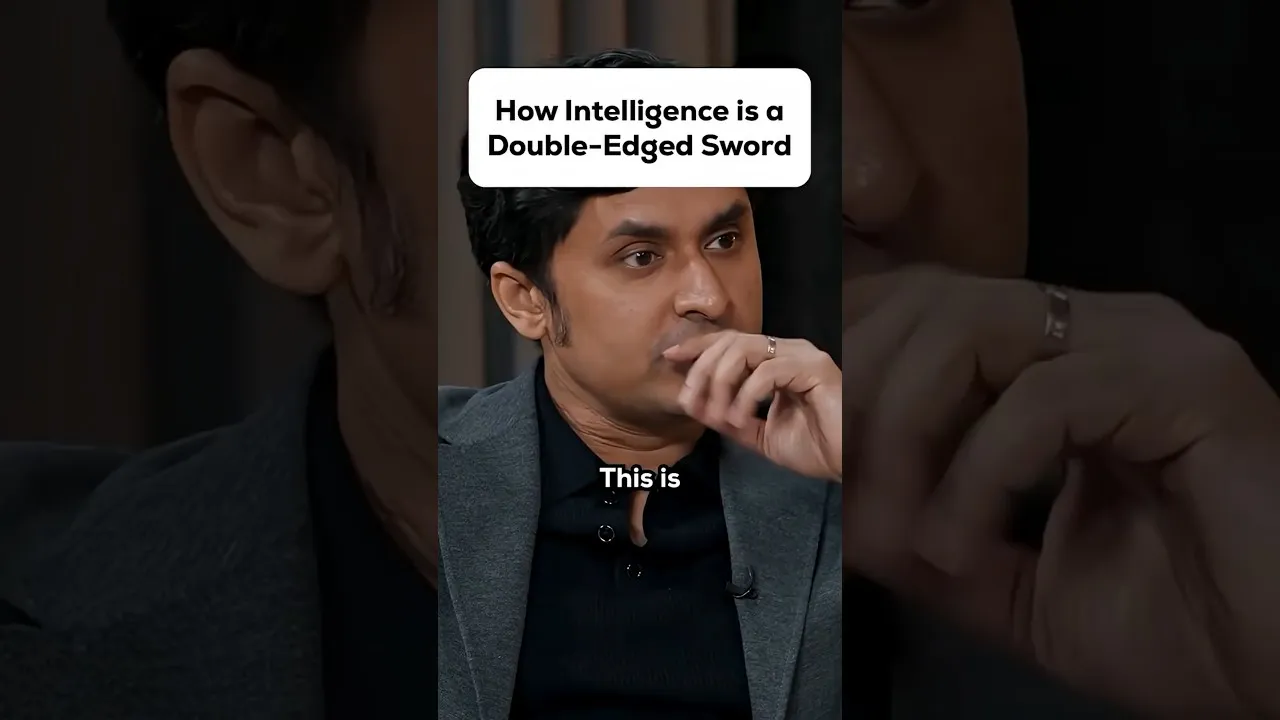
High Intelligence Linked to Depression, Emotional Gaps
People with very high intelligence may be more likely to experience depression and struggle with emotional development. This is because their sharp minds can easily recognize problems, including their own difficult situations. This realization can lead to feelings of hopelessness or sadness.
The link between high IQ and emotional challenges is complex. Experts suggest that individuals who rely heavily on intellect to solve problems might neglect developing their emotional intelligence. This means they might have a high IQ but a lower EQ, or emotional quotient.
Understanding the Brain’s Balance
Think of your brain like your hands. If you are right-handed, you use your dominant hand for most tasks, and your left hand might not become as strong or skilled. Similarly, if intellect is your primary tool for solving life’s challenges, other parts of your brain, especially those related to emotional processing, may not be as fully developed.
This can lead to a situation where a person’s brain becomes specialized, focusing almost exclusively on intellectual solutions. When faced with emotional difficulties, they may lack the necessary emotional tools or understanding to cope effectively. This imbalance can leave them feeling stuck or overwhelmed.
The Importance of Emotional Intelligence
Emotional intelligence, or EQ, is the ability to understand and manage your own emotions, as well as recognize and influence the emotions of others. It plays a key role in building strong relationships, navigating social situations, and maintaining overall well-being.
When intellect is overused, emotional skills can become dormant, much like unused muscles can weaken. This is why a healthy approach to life involves using the full range of our capabilities, including both our intellect and our emotions. A balanced approach allows for a more complete and effective way of living.
When Intellect Becomes a Limitation
While high intelligence offers many advantages, it can become a disadvantage when it’s the only tool available. Individuals with exceptionally high IQs might find themselves like a musician with only one note to play. They might excel in specific intellectual areas but struggle significantly in others, particularly those requiring emotional insight or adaptability.
Having a diverse set of skills, both intellectual and emotional, is vital. This range allows individuals to handle a wider variety of life’s situations with greater success and resilience. It ensures that no single aspect of a person’s capabilities becomes a bottleneck.
Expert Insights and Context
This perspective is explored in discussions by figures like Lewis Howes, a podcast host who frequently interviews experts on performance and well-being. While specific studies are not detailed in this context, the concept aligns with psychological research on cognitive versus emotional development. The idea that over-reliance on one cognitive function can hinder others is a recognized principle in neuroscience.
This information is particularly relevant for adults who may have high-pressure careers or individuals who have always relied on their intelligence to succeed. It also speaks to parents and educators about the importance of fostering emotional development alongside intellectual growth in children.
Key Health Takeaways
- High IQ may be linked to a greater risk of depression due to easier recognition of difficult circumstances.
- Over-reliance on intellect can lead to underdeveloped emotional intelligence (EQ).
- A balanced approach using both intellect and emotions is healthiest for overall well-being.
- Developing a range of skills, including emotional ones, helps navigate life’s complexities better.
- Prioritizing emotional growth alongside intellectual development is crucial.
It is important to remember that this is a general observation, and individual experiences can vary greatly. Not everyone with a high IQ will experience depression or emotional underdevelopment. Many highly intelligent individuals lead happy and emotionally fulfilling lives.
Disclaimer: This article is for informational purposes only and does not constitute medical advice. Always consult with a qualified healthcare provider for any health concerns or before making any decisions related to your health or treatment.
The conversation highlights the ongoing exploration into the complexities of human intelligence and emotional health. Further research continues to explore the intricate balance between cognitive abilities and emotional well-being across diverse populations.
Source: How Intelligence is a Double Edged Sword @lewishowes (YouTube)