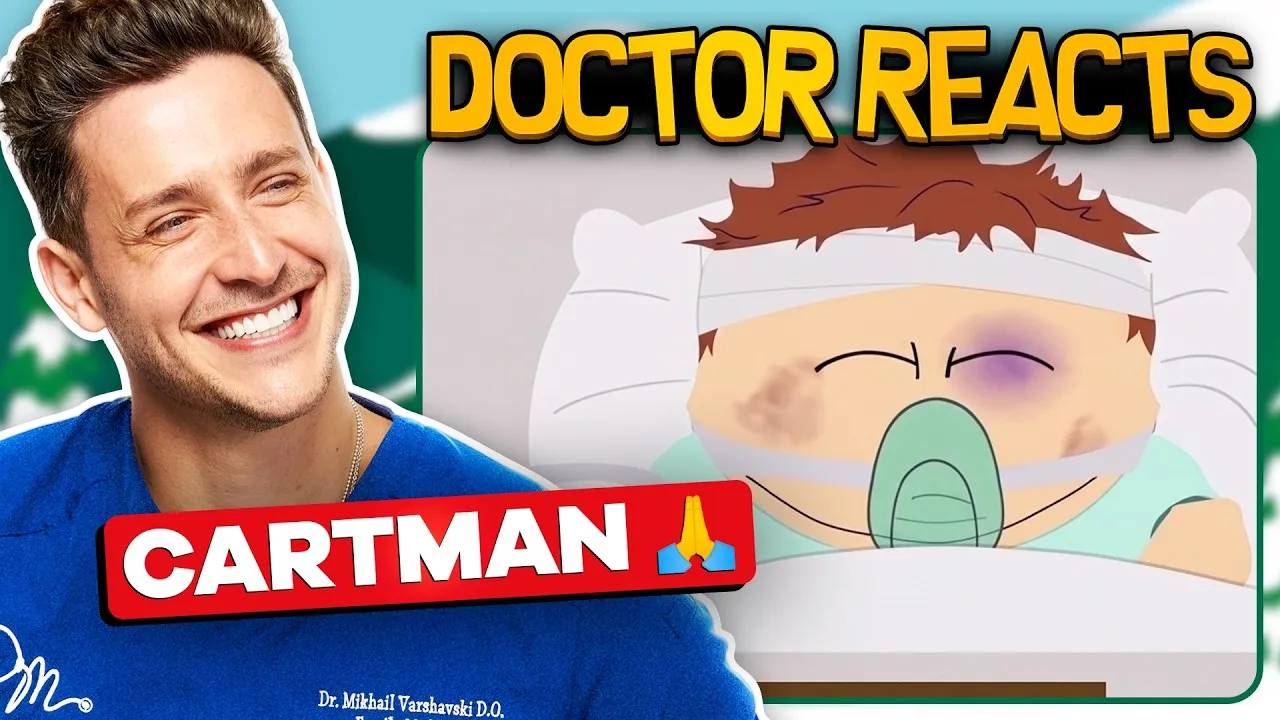
South Park’s Humor Highlights Real Health Care Struggles
Humor can be a powerful tool, even when discussing complex and often frustrating medical topics. A recent reaction video by a doctor to various South Park medical scenes reveals how the show’s satirical approach mirrors real-life challenges in healthcare, from insurance claim battles to understanding serious medical conditions.
The Insurance Maze and GLP-1 Medications
The South Park segment humorously depicts the arduous process of filing an insurance claim, particularly for expensive medications like GLP-1 drugs. These medications are vital for managing conditions such as diabetes and obesity, helping patients improve their health and reduce their need for more costly interventions like hospital stays.
However, the doctor in the video points out a frustrating reality: even when these medications prove highly effective, insurance companies may later remove them from their approved list, or ‘formulary.’ This creates a significant hurdle for patients who have seen positive results and are now facing the potential loss of their treatment. The show’s depiction of outdated technology and bureaucratic gatekeepers, like a medical director solely focused on denial, resonates with the real-world difficulties patients and doctors face in getting necessary treatments approved.
The doctor notes that while technology has advanced, the claims processing system can still feel archaic. This struggle is common for patients needing GLP-1 medications for weight loss or diabetes. It’s a constant battle to secure these treatments, even when they demonstrably improve health outcomes and potentially save healthcare systems money in the long run by preventing more severe conditions.
Obesity as a Disease and Profit Motives
A key point of contention in the South Park clip is the insurance company’s stance that obesity is not a disease and therefore not covered. The doctor emphasizes that treating obesity can prevent a cascade of other costly health issues. This perspective highlights a critical debate in healthcare: recognizing obesity as a complex medical condition that requires treatment, rather than a personal failing.
The doctor explains that from a long-term financial perspective for insurers, covering treatments for obesity could lead to significant savings by averting future expenses related to heart disease, diabetes, and other obesity-related conditions. However, the current system, with patients frequently switching insurance plans, can disincentivize insurers from investing in long-term preventative care for individuals.
Navigating the Healthcare System
The video satirizes the sheer complexity of the American healthcare system, portraying it as a confusing labyrinth of forms and approvals. The doctor shares personal experiences of ordering necessary treatments for patients, only to have claims denied due to minor technicalities, such as an incorrect diagnostic code or the need for a second opinion from an in-network doctor.
This bureaucratic entanglement can delay or prevent patients from receiving timely care. The show’s exaggerated scenarios highlight the real frustration and exhaustion patients and healthcare providers feel when trying to navigate these administrative hurdles. It’s a system that often feels disconnected, with different entities not truly working together to achieve the patient’s well-being.
Head Lice: Misconceptions and Management
Shifting to a different medical topic, the South Park segment addresses head lice. The doctor clarifies common misconceptions, explaining that lice do not spread diseases and are not a sign of poor hygiene. Lice prefer clean hair and spread through direct head-to-head contact or sometimes through shared items like hats or combs.
The American Academy of Pediatrics recommends practical cleaning measures, such as vacuuming and washing recently worn clothes and bedding, rather than extreme house cleaning. The doctor also mentions various treatment options, including medicated shampoos, a ‘louse buster’ device that uses heat to kill lice and their eggs, and meticulous wet combing techniques.
The doctor notes that while some treatments may paralyze lice, they are still effective in eliminating the infestation. The key is understanding how lice spread and implementing appropriate, evidence-based management strategies.
Trauma, Comas, and Recovery
The video touches upon severe medical trauma, including induced comas. The doctor explains that comas are sometimes medically induced to reduce swelling in the brain after a serious injury. This allows the brain to rest and potentially decrease metabolic demand, aiding in the healing process.
Treatments for severe brain swelling can include specific patient positioning, like elevating the head of the bed, and administering medications such as mannitol. In critical cases, surgery like a craniotomy might be necessary to relieve pressure. The doctor also discusses the unpredictable nature of recovery from neurological injuries, emphasizing that predicting the exact length of recovery is difficult and relies on close clinical monitoring of the patient’s progress.
Allergic Reactions and Anaphylaxis
The South Park clip humorously depicts a severe allergic reaction, specifically anaphylaxis, triggered by an almond M&M. The doctor explains that such a reaction involves rapid swelling, particularly of the oral airway, and a dangerous drop in blood pressure (hypotension).
In cases of severe anaphylaxis, standard antihistamines like Benadryl are insufficient. The primary treatment requires epinephrine to counteract the life-threatening symptoms. The doctor highlights the seriousness of swelling around the airway, noting that it might necessitate intensive care unit (ICU) admission due to the risk of airway obstruction.
Spinal Cord Injuries and Trauma Management
The video also briefly touches on severe physical trauma, such as a fall leading to a potential spinal cord injury. The doctor explains concerns like paralysis and loss of bowel control, stemming from damage to nerves in the lower spinal cord.
In a real-world trauma scenario, immediate management would focus on stabilizing the patient and preventing further injury. The doctor mentions the theoretical benefit of removing an object, like a branch, that is causing pressure and bleeding, but stresses that this would be performed by trauma surgeons. The graphic depiction of severe injuries is a dark comedic illustration of the devastating consequences of extreme physical trauma.
Key Health Takeaways
- Humor, as seen in South Park, can clarify serious and often frustrating medical issues.
- Navigating insurance approvals for medications like GLP-1 drugs can be a significant challenge for patients and doctors.
- Recognizing obesity as a treatable medical condition is crucial for preventing other serious health problems and managing long-term healthcare costs.
- The complexity of the healthcare system often creates bureaucratic hurdles that can delay or deny necessary medical care.
- Head lice do not spread disease and can be managed with practical, evidence-based methods, avoiding unnecessary panic or excessive cleaning.
- Severe medical conditions like brain swelling and anaphylaxis require prompt and appropriate medical intervention.
- Recovery from serious trauma, especially neurological injuries, is often unpredictable and requires ongoing clinical assessment.
This article is for informational purposes only and does not constitute medical advice. Always consult with a qualified healthcare professional for any health concerns or before making any decisions related to your health or treatment.
The South Park episode, while comedic, is a reminder of the ongoing dialogue needed to improve patient access to care and understanding of medical conditions. The next step in addressing these issues involves continued advocacy for healthcare reform and patient education.
Source: Doctor Reacts To Hilarious South Park Medical Scenes (YouTube)