Unlock Your Luck: Strategies to Create Opportunity
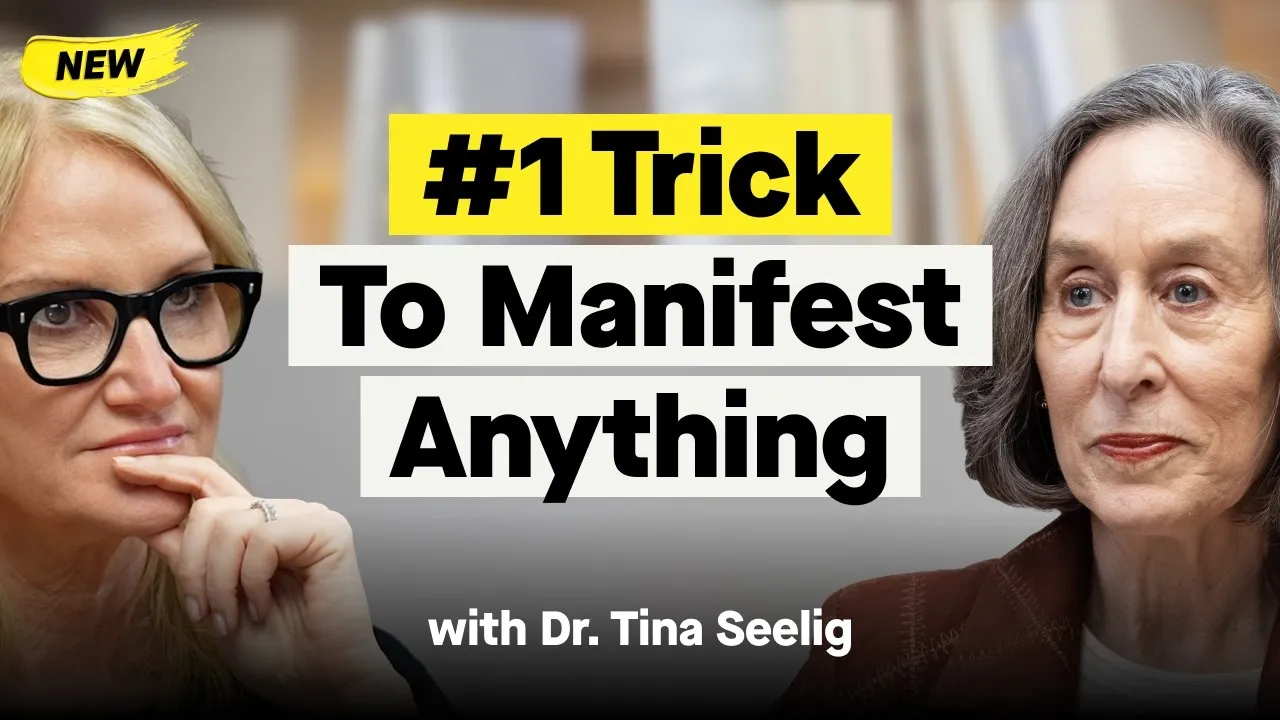
Do you ever wonder how some people seem to attract good fortune? Stanford researcher Dr. Tina Seelig believes luck isn’t just random chance; it’s something you can actively cultivate. Her work, detailed in her book “What I Wish I Knew About Luck,” reveals that while some events are beyond our control, we have significant power over how we respond and create opportunities in our lives.
Luck vs. Fortune: Understanding the Difference
Dr. Seelig, who holds a PhD in neuroscience from Stanford Medical School, distinguishes between ‘fortune’ and ‘luck.’ Fortune refers to the things that happen to you – circumstances like where you were born or unexpected events like a pandemic. These are largely outside your control. Luck, on the other hand, is what you can influence and control through your actions and mindset.
The key lies in the word ‘apparently’ in the definition of luck as “success or failure apparently caused by chance.” Dr. Seelig argues that what appears to be chance often has underlying actions and decisions that have set the stage for good fortune. By understanding these hidden factors, individuals can learn to ‘tempt good luck their way.’
Taking Action: The Foundation of Luck
A central theme in Dr. Seelig’s research is that luck requires taking action, often a calculated risk. Every decision you make, no matter how small, can open doors to new possibilities. This could be as simple as starting a conversation with a stranger, applying for a competitive opportunity, or moving to a new city.
Mel Robbins, host of the podcast where Dr. Seelig was featured, shares a personal story: meeting her husband at a United Way benefit in 1994. She ordered a drink, and the man behind her said, “Make it two.” This simple interaction led to a conversation, and eventually, a 30-year marriage. If she hadn’t been there, or if the conversation hadn’t started, that life-changing connection might never have happened.
Similarly, Dr. Seelig’s own book came about after a conversation with a publisher she met on an airplane. She took a risk by showing him her book proposal. Although he wasn’t interested at the time, she maintained the relationship.
Later, she invited him to speak to her Stanford class about the future of publishing. This led to a new book proposal, this time for a book based on her students’ projects, resulting in her best-selling work.
The Windmill and Sailboat: Metaphors for Creating Opportunity
Dr. Seelig uses metaphors to explain how people interact with opportunities. The ‘winds of luck’ are always blowing, but how you position yourself determines if you catch them.
- The Shutters: Some people stay inside, ignoring the opportunities around them.
- The Weather Vane: These individuals notice opportunities but don’t act on them, simply swiveling to observe. They might think about applying for a job or starting a profile but never take the first step.
- The Hot Air Balloon: Here, luck is largely in control, carrying you wherever the winds may go. This can be a phase of life where you explore possibilities without a specific destination.
- The Windmill: This represents harnessing local opportunities. When you get a job, for example, you make the most of it, seeing it as a chance to learn and grow. Dr. Seelig advises, “You don’t get a job, you get the keys to the building.”
- The Sailboat: This is the most proactive approach. A sailboat actively searches for the winds of luck with a specific goal in mind, charting a course to reach its destination.
Building Your Sailboat: The Internal Work
To become a sailboat, Dr. Seelig outlines three steps: build your sailboat, recruit your crew, and hoist the sail. Building the sailboat is the internal preparation – developing a ‘prepared mind,’ as Louis Pasteur noted.
This involves understanding your core values. Your values act as the keel of your boat, keeping you steady and preventing you from being swayed by unethical requests.
Dr. Seelig shares a story where she misrepresented herself as a Stanford professor at a competitor’s conference. This led to her being confronted and escorted out, a consequence of not having clearly defined her values beforehand.
Identifying your core values helps you know who you want to be in the world. It also involves creating a personal board of advisors for guidance and ensuring you have the ability to walk away from situations that conflict with your values, especially when you’re not in a financially vulnerable position.
Navigating Risk and Embracing Change
Dr. Seelig also emphasizes understanding your personal risk profile. Using a ‘riskometer,’ individuals can assess their comfort level with different types of risks, such as physical, financial, or social risks. This self-awareness helps in identifying where to stretch your comfort zone and take calculated risks.
The core message is that while life presents challenges and unfair circumstances, you have the power to influence your outcomes. By understanding the science of luck, taking intentional action, and preparing yourself, you can actively create more opportunities and shape the life you want.
Key Health Takeaways
- Distinguish Luck from Fortune: Recognize that while some events are outside your control (fortune), many outcomes are influenced by your actions and responses (luck).
- Embrace Calculated Risks: Taking action, even in the face of uncertainty, is crucial for creating opportunities. Start conversations, apply for roles, and step outside your comfort zone.
- Identify Your Core Values: Knowing what’s truly important to you provides a moral compass and helps you make ethical decisions, preventing you from being swayed by negative influences.
- Be Proactive, Not Passive: Aim to be a ‘sailboat’ actively seeking opportunities with a goal, rather than a ‘weather vane’ observing them or a ‘hot air balloon’ drifting aimlessly.
- Prepare Your Mind: Continuously learn and develop your skills. This internal preparation is the foundation for recognizing and seizing opportunities when they arise.
This article is based on insights from Dr. Tina Seelig, a researcher at Stanford University. The information provided is for general knowledge and informational purposes only, and does not constitute medical advice. Always consult with a qualified healthcare professional for any health concerns or before making any decisions related to your health or treatment.
Source: Stanford Luck Researcher: How to Manifest the Life You Want (YouTube)