Unlock Your Goals: The Power of Writing It Down
Many people miss a crucial first step when trying to change their lives or reach their goals: deciding what they truly want and writing it down. This simple action is often overlooked because people tend to manage their aspirations only in their minds. However, you can’t achieve a target if you can’t clearly see it, and keeping goals in your head makes them vague and hard to grasp.
Oprah Winfrey once shared that a major reason many people feel stuck is that they don’t take the time to become clear about their desires. If you aren’t clear with yourself about what’s important, the demands of everyday life can easily overwhelm you.
As the saying goes, if everything feels important, then nothing truly is. Without actively declaring what matters most, nothing will seem significant in your life.
The Science Behind Naming Your Goals
Research from Stanford neurosurgeon and neuroscientist Dr. Jim Dodie clarifies what happens when you name your desires, write them down, and engage multiple senses. This process taps into a principle in neuroscience called Hebian learning, often summarized as “what fires together, wires together.” Dr. Dodie explained that to make a goal feel important to your brain, you need to involve as many senses as possible, including touch, sight, sound, and even emotion.
Dr. Dodie’s method involves a physical act of writing. He suggests taking a pencil and writing down your goal.
This physical, tactile action engages your sense of touch. After writing, you then read the goal silently to yourself, engaging your visual sense.
Engage Your Senses to Make Goals Real
The next step in Dr. Dodie’s technique is to read your goal out loud. This engages your auditory system and adds another layer of sensory input. Whether your goal is to volunteer at a hospice, write a book, or find a life partner, saying it aloud makes it more tangible.
After writing and speaking your goal, the process moves to visualization. Picture yourself achieving this goal, whether it’s getting certified to volunteer, attending a meeting, delivering meals, or sitting with someone in need. By actively imagining the experience and engaging your senses in this visualization, your brain begins to build the necessary connections to make it a reality.
Encoding Goals for Your Brain
This multi-sensory approach helps to encode your goals into your brain, moving them beyond mere thought. When you visualize doing something, your brain starts to believe it’s possible and begins to create the pathways to make it happen. This process makes the goal feel more real and achievable, as your brain recognizes it as a planned action rather than a distant wish.
By combining the physical act of writing with silent reading, vocalizing, and vivid visualization, you are essentially telling your brain that this goal is a priority. This creates a powerful internal drive and makes it easier for your mind to recognize opportunities and take the necessary steps to achieve what you’ve set out to do.
Key Health Takeaways
- Clearly define what you want to achieve and write it down.
- Engage multiple senses – touch, sight, sound, and emotion – when setting your goals.
- The process of writing, reading silently, reading aloud, and visualizing helps encode goals into your brain.
- This multi-sensory approach makes your goals feel more real and actionable.
- Don’t let daily distractions prevent you from focusing on your most important aspirations.
This technique is beneficial for anyone looking to make a significant change or achieve a specific objective, regardless of age or background. It’s a practical tool for personal growth, career advancement, or any life improvement goal.
Disclaimer: This article is for informational purposes only and does not constitute medical advice. Always consult with a qualified healthcare professional before making any decisions about your health or treatment.
Start by choosing one goal today and writing it down using this method.
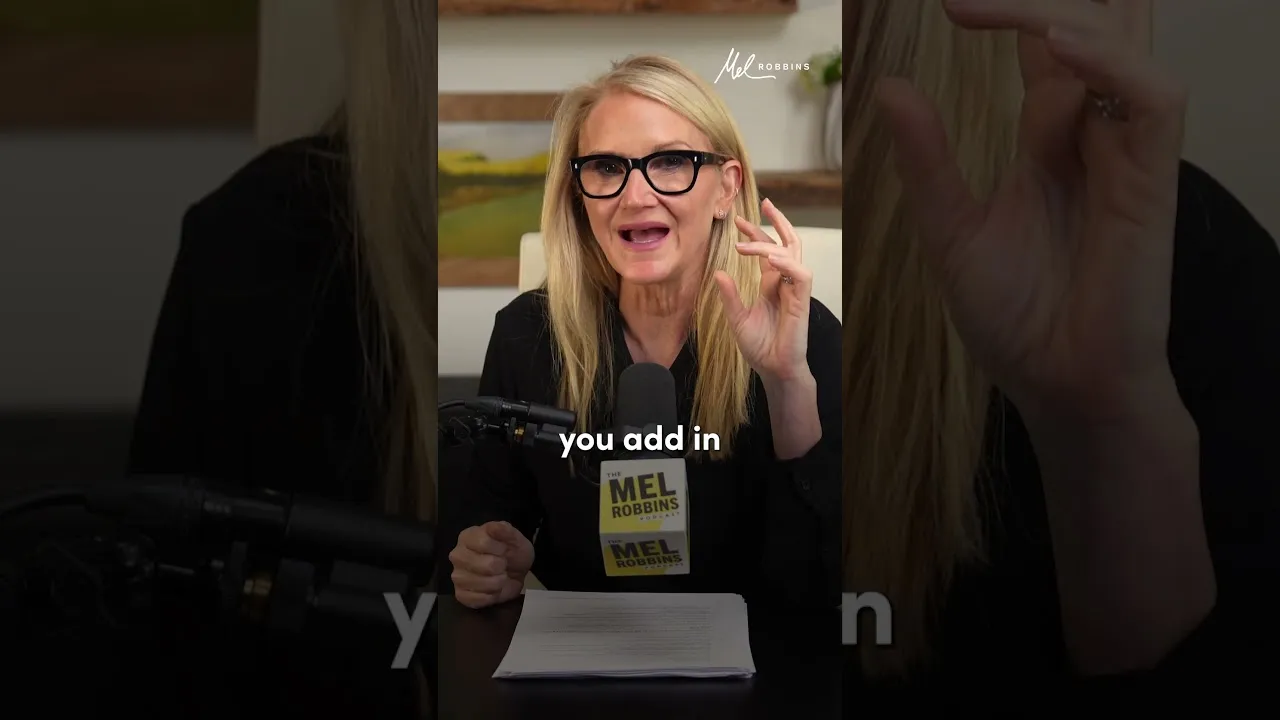
Source: The First Step to Changing Your Life (No One Does It) | Mel Robbins #Shorts (YouTube)